Eid al-Adha Preparations: Farmers' Strategies for Selling Cattle and Maximizing Prices
Artikel Peternakan
3 min read

Eid al-Adha Preparations: Farmers' Strategies for Selling Cattle and Maximizing Prices

21 February 2026
3 months ago
Eid al-Adha is a highly anticipated occasion for cattle breeders. Demand increases dramatically, prices tend to rise, and profit opportunities are plentiful. However, high demand also means fierce competition. Breeders who don't prepare thoroughly could miss out on this golden opportunity.
In order for the cattle to be ready for sale and provide maximum results, preparations for Eid al-Adha must begin long before the big day.

1. Ensure the cow's physical condition is optimal.
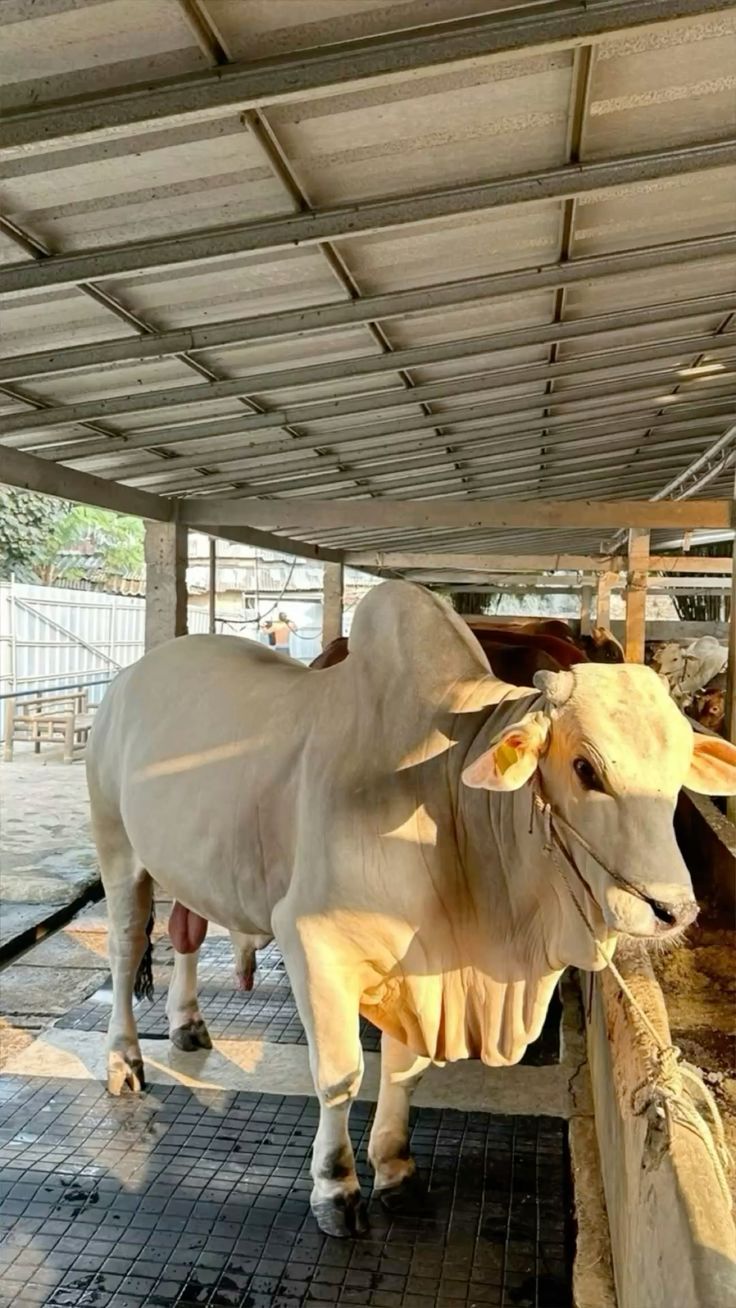
As Eid al-Adha approaches, prospective buyers pay close attention to the physical condition of cattle. Body weight, posture, clean coat, and strong legs are key indicators of quality.
Healthy and active cattle will sell more easily at a good price. Therefore, ensure stable feed management, adequate nutritional intake, and the absence of health problems that could hinder growth.
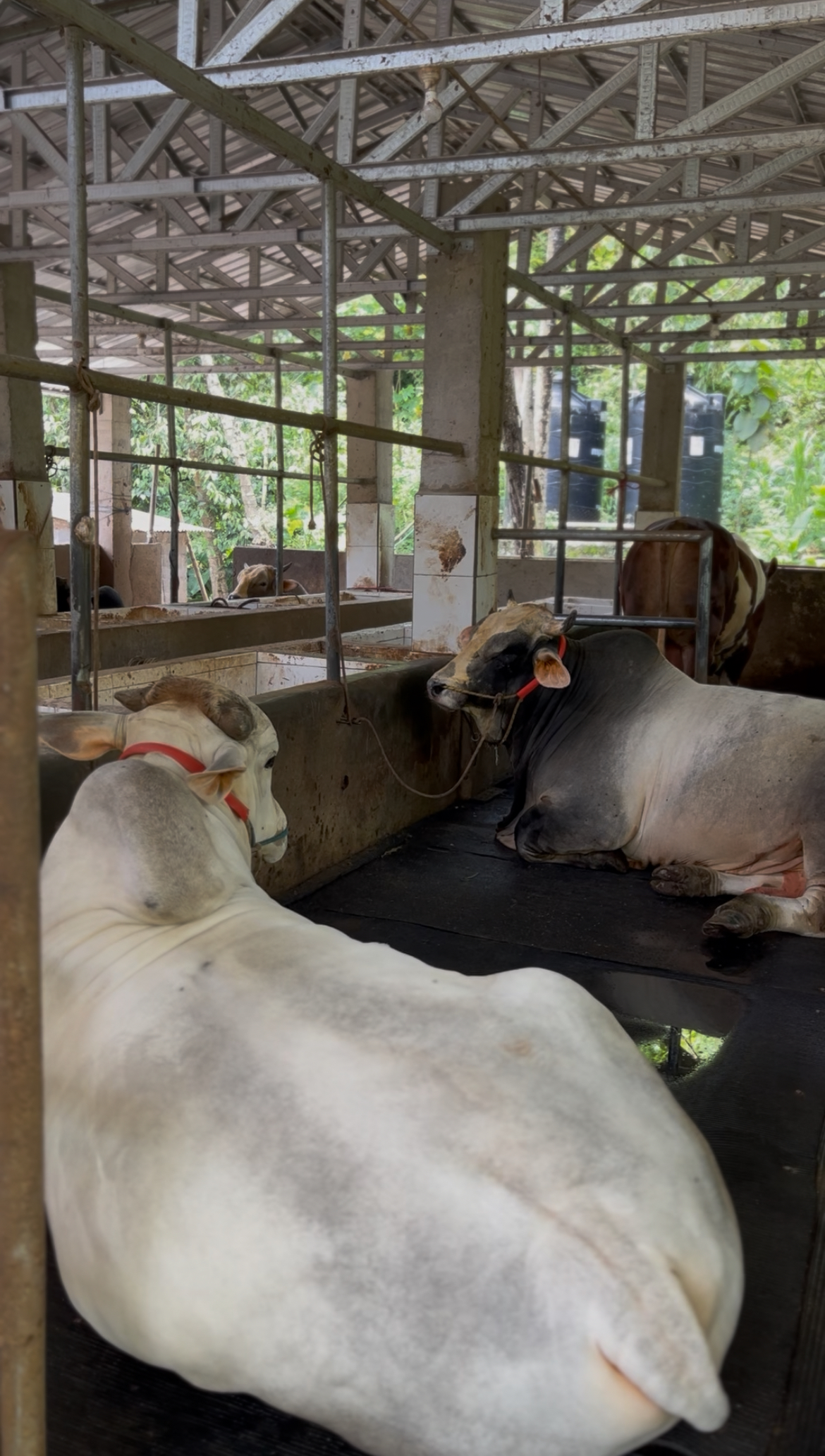
Housing conditions also play a crucial role. Cows in comfortable housing tend to have lower stress levels and optimal growth.

2. Pay attention to the health of your feet and nails.
One common problem that arises before a sale is limping or leg problems. This condition can significantly reduce the selling price.
Hard, slippery barn floors are a major cause of foot problems in cattle. Therefore, it's important to ensure cows shed floor safety and do not cause injury.

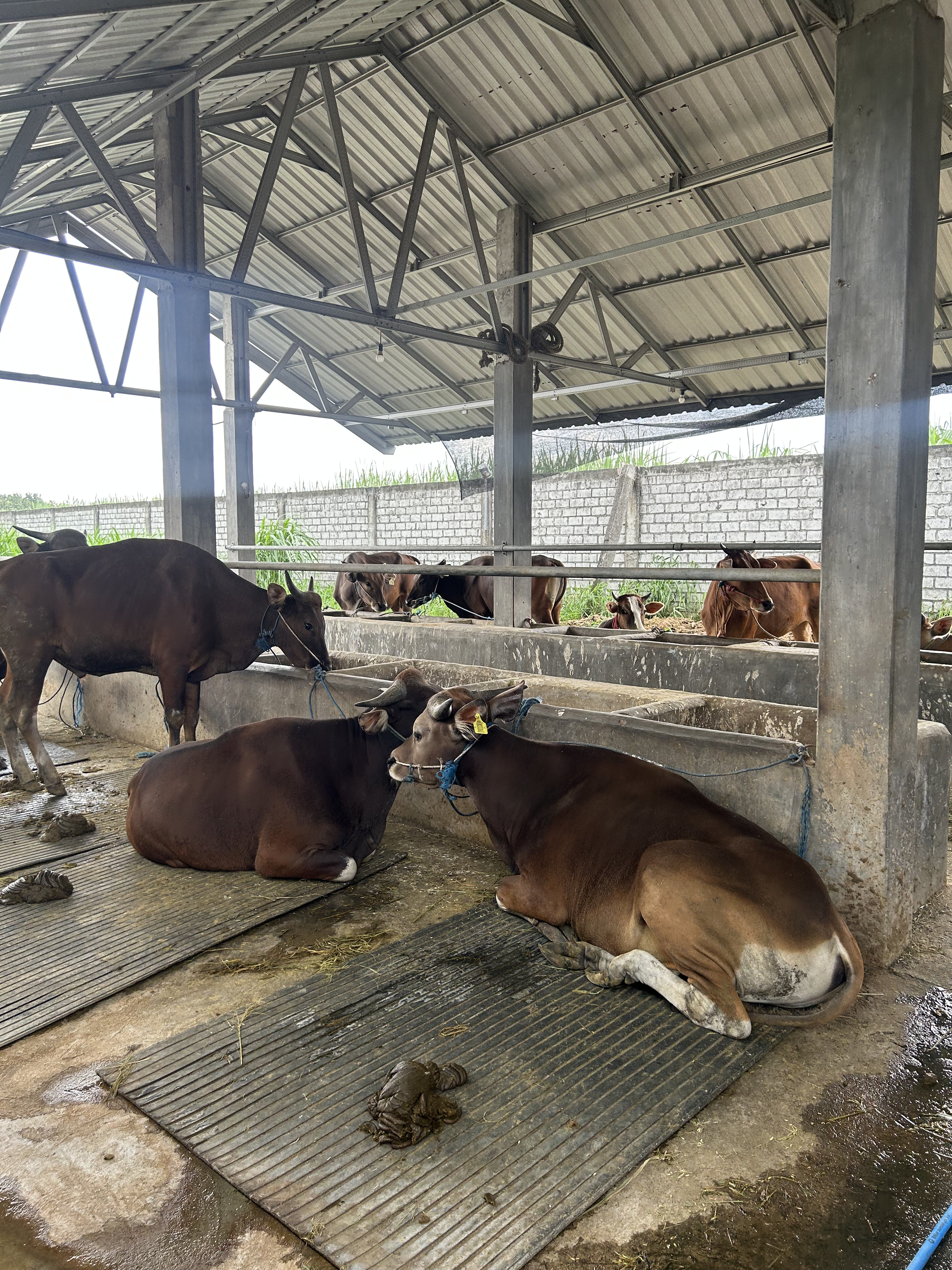
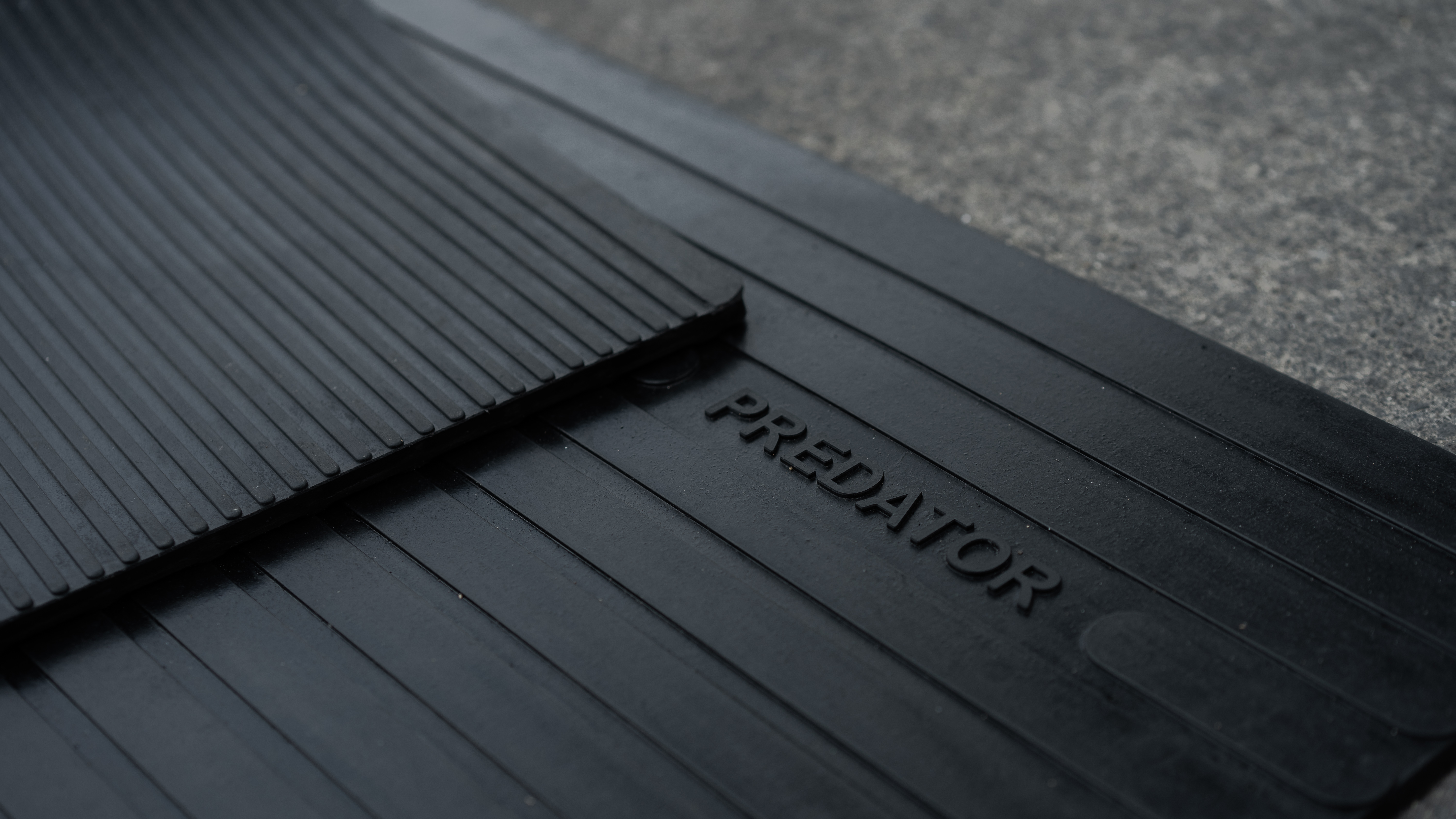
Usage Predator cow rug this helps reduce pressure on the legs and creates a more stable footing. This reduces the risk of limping cattle approaching sale time.

3. Maintain Cleanliness and Odor of the Cage
Potential buyers often come directly to the cages. A clean, odor-free cage creates a professional impression and increases trust.
Excessive humidity can cause a strong odor and make the cows look poorly cared for. Ensure proper drainage and that the floor is not prone to flooding.
A comfortable and dry pen not only improves the health of the cows, but also builds the image of a farmer who is serious about managing his business.

4. Set a Sales Strategy Early
Besides technical aspects, marketing strategy is also important. Start promoting early through social media, marketplaces, or established customer networks.
Show photos and videos of cattle in their best condition. Active, clean, and upright cattle will be more appealing to potential buyers.

5. Prepare the Cage for Activity Spikes
As Eid al-Adha approaches, activity in the barn increases. Many potential buyers arrive, reweighings are carried out, and cattle mobility is increased. Ensure the barn is secure and non-slip to reduce the risk of injury during this increased activity.
A good housing system will help maintain the stability of the cow's condition until the day of delivery.

Maximize the Momentum of Eid al-Adha
Eid al-Adha isn't just about selling cattle, but also about maintaining quality right up until the final day. Farmers who focus on health, stable comfort, and marketing strategies will have a better chance of getting the maximum price.

Predator supports Indonesian cattle farmers by providing comfortable and safe cattle housing solutions. With the right flooring system, cattle are healthier, more marketable, and more valuable.
Start preparing for Eid al-Adha now. Success on this holiday depends on early preparation.
Share Article

Predator Rubber Team

Our expert team is dedicated to providing quality information about livestock farming and animal welfare.

Expert in Animal Welfare & Quality Products

Related Articles

Premium Cow Shed Carpet: A Comfortable Solution for Healthier and More Productive Cows

Premium Cow Shed Carpet: A Comfortable Solution for Healthier and More Productive Cows

What is a Cow Shed Carpet?Cow stall mats are special mats made from high-quality rubber used to improve comfort and hygiene inside the stall. These products are designed to reduce the risk of injury, maintain hygiene, and improve overall livestock performance.Benefits of Cow Shed Carpets for Farmers1. Improve Cow HealthThe soft carpet surface helps reduce pressure on the cow's feet, thereby minimizing the risk of injuries and foot diseases such as lameness.2. Cleaner and More Hygienic CagesRubber carpets do not absorb dirt, so they are easier to clean than regular cement floors.3. Reducing Stress in LivestockComfortable cows will be calmer, less stressed, and have a direct impact on increasing the weight and quality of production.4. More Durable and Long LastingPremium carpets have high resistance to heavy pressure and humid cage conditions.Why Should You Use Cow Shed Carpets Directly from Manufacturers?Buying directly from the manufacturer offers many advantages:- More affordable prices without intermediaries- Quality assured with strict QC process- Can customize the size according to cage needs- Direct consultation support from expertsCharacteristics of Quality Cow Shed CarpetsBefore purchasing, make sure the carpet has the following specifications:- Ideal thickness (12mm, 14mm, up to 16mm)- Anti-slip surface (not slippery)- Not easy to crack or break- Elastic yet strong- Resistant to water and cage wasteComparison of Cow Carpet ThicknessChoosing the thickness of the cow shed carpet is very important because it directly affects the comfort and durability of use.Carpet with thickness 12mm It's usually the most economical option. It's suitable for small-scale farms or for farmers just starting to invest in comfortable housing.Meanwhile, the thickness 14mm It offers a balance between price and quality. This type is widely used by medium-scale livestock farmers because it is soft, strong, and durable enough for daily use.For maximum needs, carpet with thickness 16mm is the best choice. This carpet is softer, more resistant to heavy pressure, and is ideal for intensive farming where cow comfort and long-term durability are paramount.The Impact of Carpet Use on Cattle ProductivityMany farmers are beginning to realize that the comfort of their pens significantly impacts livestock production. By using carpets:- Cows rest more often- Increased appetite- More optimal growth- The risk of loss due to injury is reducedConclusionCow barn carpeting is not just an accessory, but a crucial investment in improving the quality of livestock farming. By choosing the right product, farmers can improve efficiency, livestock health, and long-term profitability.

Read More
Does Your Cage Smell Quickly? Here Are the Causes and How to Fix It

Does Your Cage Smell Quickly? Here Are the Causes and How to Fix It

A smelly pen is often considered normal, but it can actually reduce livestock performance. The pungent odor usually comes from ammonia gas caused by urine settling on the floor surface.This problem often occurs in sheds with poor drainage and floors that absorb liquids.Causes of Smelly Cow ShedsSome of the main factors:- The drainage system is not running smoothly- The floor of the cage has no slope- Urine absorbent surface- Cleaning is not optimal- Poor ventilationA humid environment promotes bacterial growth and increases ammonia levels. If left untreated, cows can experience mild respiratory distress and environmental stress.Impact on ProductivityCows living in pens with poor air quality tend to:- Decreased appetite- Easily stressed- Prone to nail infections- Suboptimal growthThe long-term solution is not just cleaning more often, but improving the system.modern cow shed floor which does not absorb liquid and supports drainage flow.A clean and odor-free cow shed creates a healthier working environment while increasing the efficiency of the livestock business.A dry, odor-free pen significantly impacts the cows' comfort and appetite. A floor system that doesn't absorb liquids and is easy to clean, such asPredator Cow Carpet, cage hygiene management becomes more efficient and the risk of ammonia odor can be significantly reduced. It's time to switch to a more modern and hygienic cage system.

Read More
Cows Standing More Often and Rarely Lying Down? There Could Be a Problem with Your Barn

Cows Standing More Often and Rarely Lying Down? There Could Be a Problem with Your Barn

Many farmers are unaware of one important sign of an uncomfortable cow: cows stand more often and rarely lie down. At first glance, it may seem trivial, even considered normal. However, this behavior is a strong signal that the conditions in the pen are not conducive to livestock comfort.If left unchecked, the habit of cows rarely lying down can have a direct impact on their health, productivity, and maintenance costs.Lying Down Is Not Just RestingWhen a cow lies down, its body is at its most relaxed state. This is the phase during which optimal energy recovery occurs. Cows that get enough time to lie down tend to have better appetites, stable growth, and lower stress levels.Conversely, cows that are reluctant to lie down usually find the floor of the pen too hard, slippery, cold, or damp. As a result, they choose to stand longer even though their bodies are tired.The Negative Impact of Cows Standing Too LongCattle that stand too frequently are at risk of developing foot and hoof problems. Constant pressure can lead to lameness, sores, and even infections. In the long term, this condition reduces cattle performance and increases healthcare costs.Ironically, farmers often only realize this problem when the cows are already showing signs of illness or having difficulty moving.The Cage Floor is a Major FactorThe main reason why cows are reluctant to lie down is almost always related to the cow shed floor. Floors that are not soft and always wet make cows feel unsafe to lie down.This issue is often related to previous articles about quickly smelly cages and minor cage errors. They all come back to the same point: a suboptimal cage flooring system.Cow Rugs Help Cows Lie Down More ComfortablyUsage Predator cow rugThis helps create a softer, non-slippery, and warmer floor surface. This allows cows to lie down and rest comfortably.When cows start lying down more often, farmers will see positive behavioral changes: the cows are calmer, less stressed, and their physical condition is more stable.Cow Comfort is an InvestmentComfortable cows not only appear healthier but are also more profitable. Paying attention to small habits, such as the frequency of lying down, can be the first step in improving overall farm performance.Predator is here to help Indonesian breeders create truly comfortable cages, starting with the right cage flooring.

Read More
Heat Stress in Cattle: A Hidden Threat That Reduces Productivity

Heat Stress in Cattle: A Hidden Threat That Reduces Productivity

Besides the rainy season, the dry season also presents significant challenges for cattle farmers. High temperatures and poor air circulation can trigger heat stress in livestock. This condition often goes unnoticed at first, but its impact on cattle growth and health is very significant.Understanding the causes and how to address them is an important step to maintaining stable productivity throughout the year.What is Heat Stress in Cattle?Heat stress occurs when the environmental temperature exceeds the cow's comfort level. The cow's body works harder to reduce the temperature, so energy that should be used for growth is instead used to defend against the heat.The signs include:- The cow is panting- Decreased appetite- Standing and fidgeting more often- Water consumption has increased drasticallyIf this condition persists for a long time, it can be difficult to gain weight and the risk of disease increases.Cages Play a Big Role in Reducing StressMany farmers focus on adding vitamins or supplements during the summer, but forget that housing conditions are a key factor. Hot, humid, and poorly ventilated housing exacerbates cow stress.The heat-retaining floor of the barn also discourages cows from lying down, even though rest time is crucial for energy recovery.The Importance of a More Comfortable FloorFloor surfaces that are too hard and hot can increase discomfort. Cows will be standing more frequently, increasing pressure on their feet and increasing the risk of injury.Usage Predator cow rug this helps create a more comfortable surface that doesn't absorb heat as readily as cement floors. With more stable footing, cows can rest more comfortably even when the ambient temperature rises.Strategies for Facing the Dry SeasonSome steps that breeders can take:- Ensure optimal cage ventilation- Provide access to sufficient drinking water- Reduce the density of cattle in the pen- Improve the floor system to prevent overheating.A more comfortable pen will help cows get through the dry season without a significant decrease in performance.Stable Productivity Throughout the SeasonFarmers who understand the importance of barn management focus not only on feed but also on the livestock environment. With the right barn system, the risk of heat stress can be reduced and cattle growth can be optimal.Predator supports Indonesian farmers in creating more comfortable and safe cattle pens in various weather conditions.

Read More
Cows Rarely Lie Down? Here's Why and the Impact on Productivity

Cows Rarely Lie Down? Here's Why and the Impact on Productivity

Some breeders often consider cows rarely lying down. However, this condition can be a sign of a serious problem.cow shed floor or the overall housing system. In modern livestock systems, the duration of lying down is an important indicator of comfortable cow shed.Naturally, cows need approximately 10–14 hours of rest per day in a lying position. When cows get enough rest, blood circulation improves, metabolism stabilizes, and growth processes are optimal. However, if cows stand more often and are reluctant to lie down, there's likely a factor causing discomfort.Reasons Why Cows Rarely Lie DownSome common causes include:- The floor of the cage is too hard thus putting excessive pressure on the joints.- The slippery surface makes the cows afraid of slipping.- Damp conditions due to poor drainage.- The pungent smell of ammonia is disturbing.- The space for movement is narrow and less safe.Cement floors without pressure dampening are a major contributing factor. For cattle weighing 800 kg to 1 ton, the pressure on the legs is enormous. Without a proper flooring system, cattle will prefer standing rather than enduring the discomfort of lying down.Impact on Growth and WeightCows that rarely lie down tend to experience:- Prolonged mild stress- Decreased appetite- Increased risk of limping- Daily weight gain slows downIn fattening efforts, small differences in increase in cattle weight can have a significant impact on profits. Therefore, ensuring a comfortable cow shed is no longer an option, but a necessity.A simple evaluation can be done by observing whether the cow appears hesitant when trying to sit. If so, there may be a problem with the cow barn's flooring system that needs to be repaired.If your cow seems to be standing more often and is reluctant to lie down, the problem could be that the floor surface is too hard or slippery.Predator Cow CarpetDesigned with pressure-damping properties and a non-slip surface to help create a comfortable cow pen, allowing cows to relax, rest more frequently, and grow optimally. Evaluate your pen now before productivity declines unnoticed.

Read More
Link copied successfully!