Article
Baca artikel terbaru tentang industri peternakan, tips perawatan ternak, dan informasi terkini seputar karpet alas sapi berkualitas tinggi.
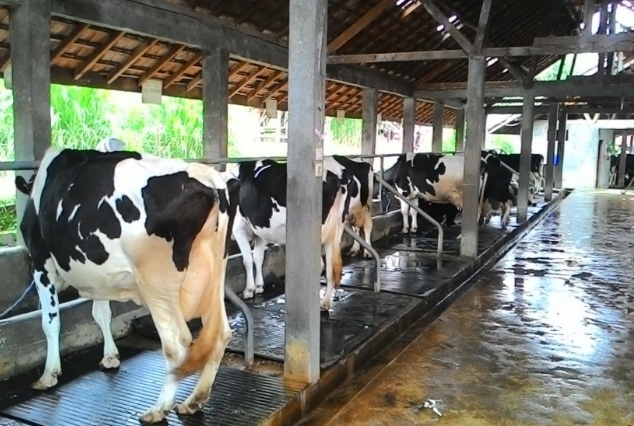
The importance of leveled cow matt placement: Placement impact on cattle health
Cow mats are an important product for improving livestock comfort, especially for dairy cows. Proper placement of these mats can support cow health and welfare; however, careful consideration is required when determining how they should be installed inside the barn.Some high-end farmers particularly those supplying milk to large companies such as Nestlé, HUT, and Diamond, tend to install cow mats recessed into the concrete floor. This method adjusts the mat’s dimensions and thickness so that it aligns flush with the barn surface. Such an approach can be effective for farms equipped with advanced water drainage and cleaning systems that allow for regular and thorough sanitation.However, for farms with more basic facilities, especially in rural areas, this installation method may pose health risks to the cows. Recessed mats can create gaps that are difficult to clean, allowing manure, water, and feed residues to accumulate. These conditions encourage bacterial growth and disease development. Over time, this may increase the risk of infection, ultimately affecting cow health and productivity.Therefore, it is strongly recommended that cow mats be placed on top of a flat concrete surface rather than recessed into it. This approach makes installation simpler, keeps the barn cleaner, and prevents the formation of hazardous dirt traps. It also facilitates more effective barn cleaning, helping maintain a hygienic environment and reducing the risk of disease.Ultimately, farmers should adjust cow mat placement methods according to their barn conditions and management systems, whether operating large scale commercial farms or small rural holdings.
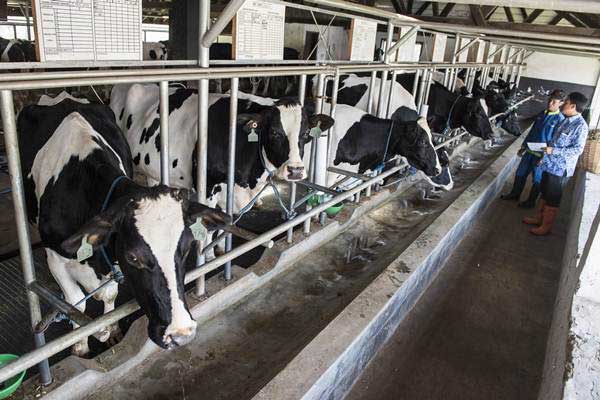
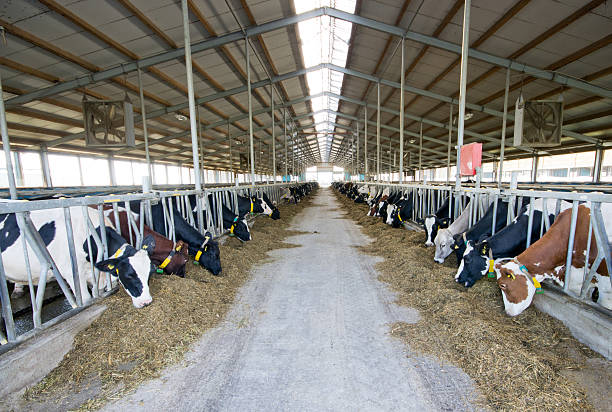
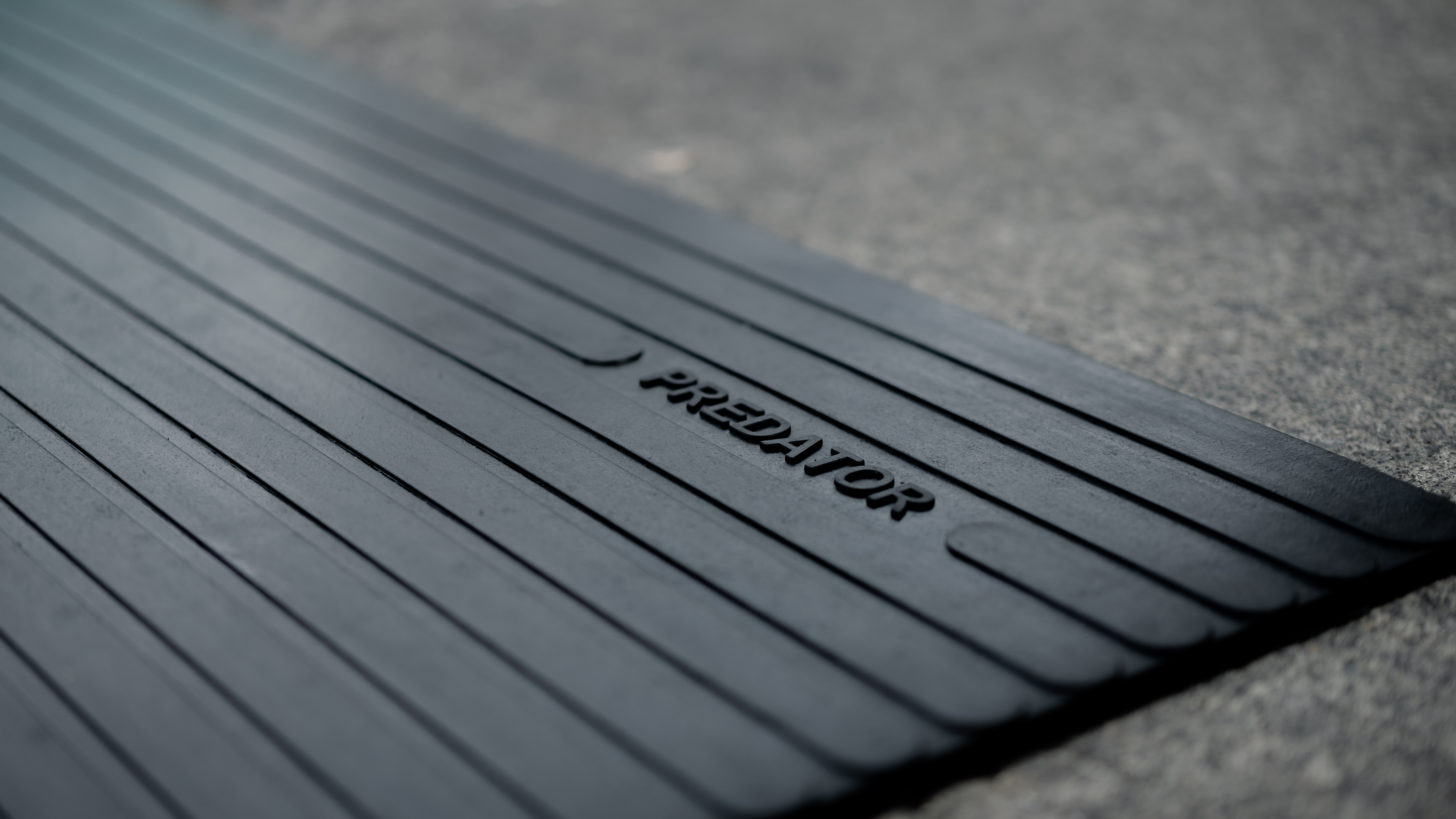
Predator Cow Mat – Small Investment, Big Results for Farmers
Challenges in the Livestock IndustryCattle farming, whether its beef or dairy both requires precision, consistency, and the right management strategy. Success is not only about providing proper feed and veterinary care, but comfort in the barn also plays a crucial role in determining productivity. Many farmers still rely on concrete or bare soil floors for their barns. Unfortunately, these surfaces often create problems: slippery when wet, damp during the rainy season, and too hard for cows to rest comfortably. Such conditions can cause stress, joint injuries, or infections, ultimately lowering productivity. A simple yet highly effective solution to this long standing problem is the use of cow mats designed specifically for barns. One of the best options available today is the Predator Cow Mat.Predator Cow Mat: A Modern SolutionPredator Cow Mat is specially engineered to meet the needs of modern livestock management. Made from a combination of high quality nylon fibers and reinforced rubber, it is strong, durable, and comfortable for cattle.Key Features:Moisture Resistant & Quick Drying Prevents excessive dampness in the barn, keeping the floor dry and reducing unpleasant odors.Anti Slip Surface Provides a stable grip, reducing the risk of cows slipping and injuring themselves.Comfortable for Resting With a thickness of 12 mm (and above), the mat provides a softer surface, preventing knee or joint injuries when cows lie down.Durable & Long-Lasting Withstands the heavy weight of cattle and daily wear, offering long term reliability.Easy to Clean Dirt and manure can be washed away easily with water, saving time and labor.Flexible Sizing Available in a standard size of 110 x 200 cm with 12 mm thickness, but can be customized to fit specific barn needs.Real Benefits for FarmersThe Predator Cow Mat is more than just a comfort upgrade, it delivers tangible benefits for livestock farmers:Healthier Cattle A dry and comfortable environment helps reduce the risk of infections, skin diseases, and injuries.Improved Productivity Dairy cows produce more milk when they feel comfortable, while beef cattle grow faster with reduced stress.Lower Maintenance Costs Healthier cattle reduce veterinary expenses, while the mat’s durability saves on replacement costs.Professional Barn Image Clean, hygienic, and modern barns enhance the professional reputation of any livestock business.In livestock farming, every detail counts. The Predator Cow Mat proves that a small investment can bring big results. With its durability, comfort, and practicality, this product helps create healthier barns, more productive cattle, and long term benefits for farmers.👉 It’s time to modernize your barn with Predator Cow Mat and experience the difference yourself!📞 Contact us today: +62 812-5251-1238


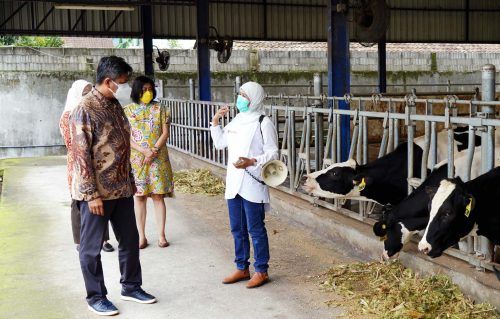

Modern Strategic Increase in National Milk Production
Domestic milk demand continues to increase each year, yet national production has not been able to keep pace. Indonesia still imports the majority of its processed milk requirements, indicating that improving the productivity of local dairy cows has become an urgent necessity. Several modern strategies have begun to be implemented, including better barn management, improved nutrition, and the use of data-driven technologies. The International Dairy Federation (IDF) has noted that the adoption of precision dairy farming, ranging from health sensors and heat detection tools to automated feed management systems can improve production efficiency by 15–20% across various developing countries.In Indonesia, efforts such as strengthening dairy cooperatives, improving supply chain structures, and stabilizing milk purchase prices also play a crucial role in production success. When farmers gain price certainty and access to quality feed, cow performance becomes more consistent. This highlights that increasing dairy production is not only about the cows themselves, but about strengthening the entire farming ecosystem.

Technologies role on dairy farm efficiency
Digital transformation is starting to make its mark in the dairy sector, promoting better work efficiency and improved cattle care. Technologies such as AMS (Automatic Milking System), wearable sensors, and app-based monitoring systems can record cattle’s daily activities, detect early signs of heat and fertility, monitor body temperature, and even predict potential metabolic diseases before symptoms appear. FAO stated that precision livestock farming can increase feed efficiency by up to one quarter while reducing the incidence of common dairy cow diseases.In simpler applications, the use of cooling systems, optimal lighting, and high-quality bedding has been proven to increase cow comfort, which directly supports better productivity. Farmers who adopt proper comfort practices generally show increased milk production and decreased heat stress. Simply put, technology can be a helpful tool, and it doesn’t have to be expensive. Even small improvements can create significant results when applied consistently.
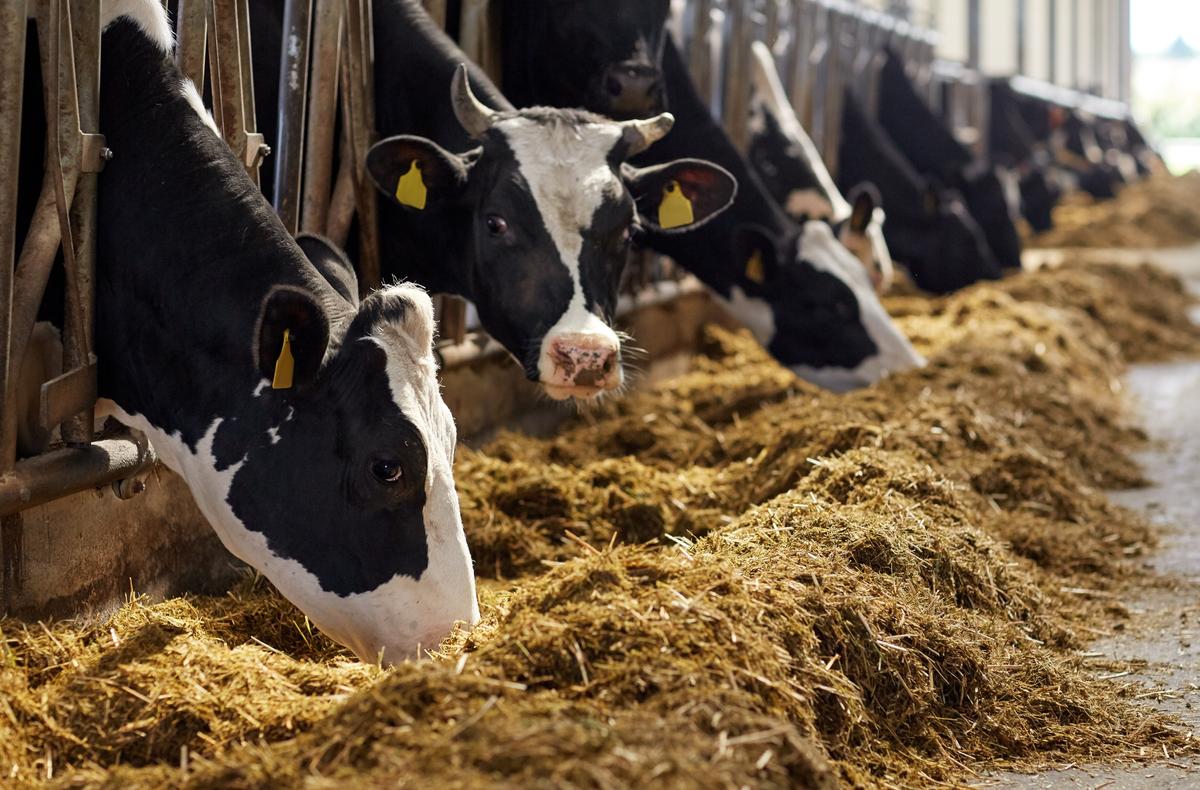
The impact of high quality feed on dairy production and health
Proper and high quality cattle feed roughly contribute 60% - 70% of livestock budget, therefor it heavily implies its quality on dairy productivity. Dairy cow need balance energy, protein, fiber, vitamin, and mineral to ensure stability on dairy production. Data from ministry of agriculture and various livestock feed research center shows that refined quality forage, fermentation, and concentrate formulation could increase local dairy production over 15% - 30%. Well balancecd nutrition could also help prevent disease case such as masititis, ketosis, and reproduction interference.Aside from quality, forage consistency is also a crucial thing. Sudden shift in ration could disrup rumen microbe, lower appetite, and inflict SARA (Sub-Accute Ruminal Acidosis). Farm that properly upheld its feed quality have higher pregnancy rate on their cattle and promote longevity. Its not always about the cost nor budget on livestock feed, but its a major investmen that decide whether the farm is continuing its production or not at all.


The Role of Dairy Cooperatives in Maintaining Domestic Industry Stability
Dairy cooperatives have long been the backbone of Indonesia’s dairy sector. Through collective systems, cooperatives help small scale farmers gain access to quality feed, veterinary services, training, and milk marketing channels. This role is crucial, considering that more than 80% of national milk production comes from smallholder farmers, who then if without cooperative support, would struggle to meet stable production standards. Studies from the Ministry of Agriculture show that farmers who join cooperatives tend to achieve higher efficiency and more stable production compared to those operating independently.At the same time, cooperatives also act as economic stabilizers. When milk prices drop or supply disruptions occur, cooperatives help safeguard farmers income through purchase agreements and more predictable pricing structures. Strengthening cooperatives benefits not only farmers but also serves as a national strategy to secure the sustainability of the domestic dairy industry, when especially as Indonesia still depends on imports for more than 70% of its milk needs. With modern management, transparency, and strong industry collaboration, cooperatives can continue to be the driving force behind the advancement of Indonesia’s dairy farming sector.

Farmer Regeneration: Why Are Young People Reluctant to Enter the Dairy Farm World?
Farmer regeneration has become one of the biggest challenges in Indonesia’s dairy sector. Most dairy farmers today are over 45 years old, and interest from younger generations to continue the family business is steadily declining. Despite strong market demand for milk, dairy farming is still seen as hard, dirty work and less prestigious compared to modern jobs that offer flexibility. Limited access to capital, unstable milk prices, and high feed costs also make dairy farming seem financially unattractive to young people.On the other hand, younger generations tend to seek jobs with stable income, clear career growth, and a more modern work environment. Yet FAO reports show that modernizing dairy farms such using sensors, monitoring apps, and improved feed management systems can significantly boost efficiency and make daily work much easier for new farmers. Still, without education, training, and affordable access to technology, this transformation remains difficult to achieve.Farmer regeneration is not simply about replacing an aging workforce, it’s more about securing the future of the national dairy industry. Government, cooperatives, and industry stakeholders must work together to build an ecosystem that appeals to young people leading to a more modern, more profitable, and more sustainable.
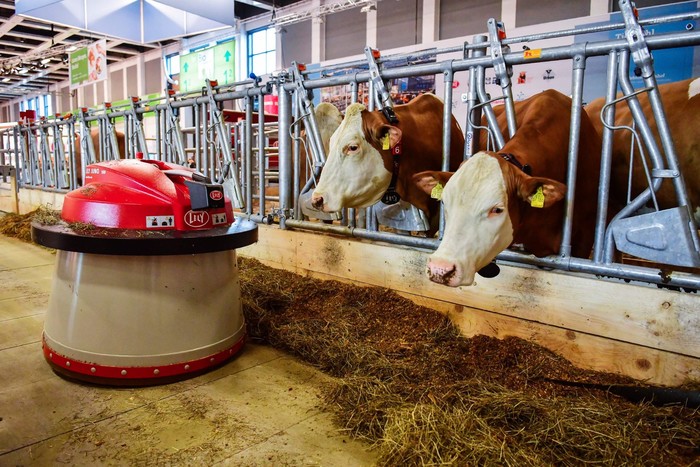
Digitalizing Dairy Farms: From Wearable Sensors to AI Monitoring
Digital transformation is reshaping the dairy industry, shifting daily operations from manual work to a more precise and efficient system. Technologies like wearable sensors, AI-powered cameras, and app based monitoring platforms can now track a cow’s daily activit, from feeding patterns, heat detection, movement levels, body temperature, even predicting metabolic issues before symptoms appear. Systems such as Automatic Milking Systems (AMS) can analyze milk quality in real time, enabling farmers to make faster and more accurate decisions. According to FAO, precision livestock farming can improve feed efficiency by up to 25% and significantly reduce disease incidence.Digitalization doesn’t always require expensive investment. Simple tools such as automated temperature readers, digital record keeping, or barn CCTV enhanced with AI analytics can already boost productivity and animal welfare. For many farmers who were initially hesitant, technology has proven to lighten workloads and optimize outcomes without drastically changing their routines. Ultimately, digitalization is not just a trend but a new foundation for modern dairy farming, for a more accurate, more efficient, and more sustainable.
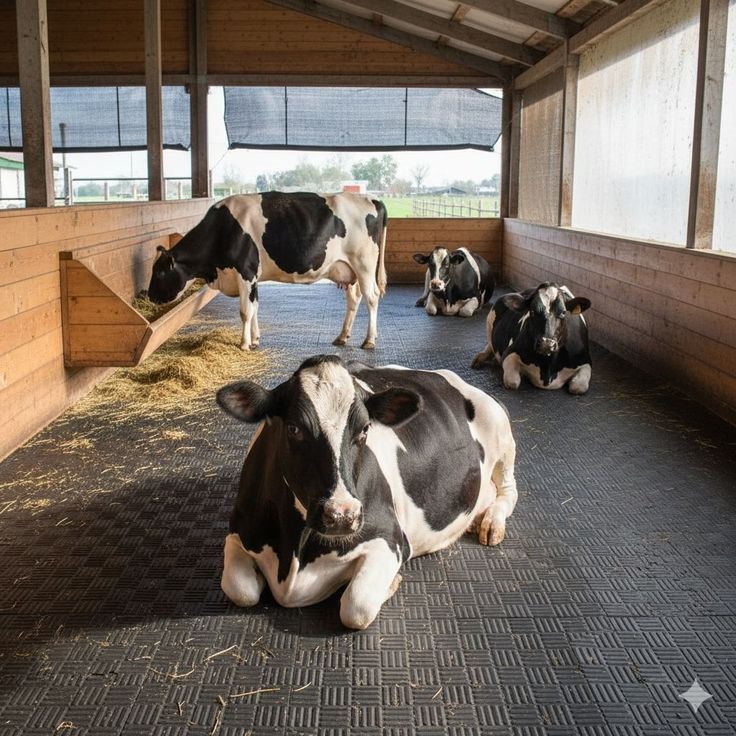
The Impact of Barn Cleanliness on Milk Quality and Grading
Barn cleanliness has a direct impact on the quality of milk produced by dairy cows. Dirty and humid barn environments increase exposure to pathogenic bacteria, particularly those originating from manure and urine. These conditions raise the risk of milk contamination during milking, increase the Total Plate Count (TPC), and elevate the likelihood of mastitis, which is one of the main causes of declining milk grades.Poor barn hygiene also affects cow comfort. Cows that frequently lie on wet or dirty floors are more prone to udder infections and skin lesions. As a result, milk quality declines, bacterial levels rise, and milk may be rejected or priced lower by dairy processors. FAO states that poor barn hygiene practices are directly correlated with higher incidences of both clinical and subclinical mastitis in dairy cows.Maintaining barn cleanliness does not have to be complicated. Regular cleaning, proper drainage systems, adequate ventilation, and the use of bedding that is easy to clean and remains dry can significantly reduce contamination risks. A clean barn supports healthier cows, better milk quality, and more consistent milk grades, ultimately having a direct impact on farmers’ income.
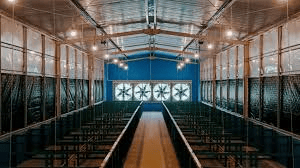
Automated Cooling & Ventilation: Affordable Technology to Reduce Heat Stress
Heat stress is one of the main factors reducing dairy cow productivity in tropical climates such as Indonesia. High temperatures and humidity make it difficult for cows to dissipate body heat, leading to reduced feed intake, lower activity levels, and declining milk production. These conditions often go unnoticed, yet their impact on daily cow performance can be significant.The implementation of automated cooling and ventilation systems, such as barn fans, sprinklers, and cross ventilation, has proven effective in lowering the perceived temperature inside barns. These technologies are relatively simple and affordable, yet highly effective in reducing heat stress and maintaining cow comfort. FAO reports that proper cooling systems can increase feed intake and help stabilize milk production, particularly during hot and humid conditions.With relatively low investment, automated cooling and ventilation systems offer a practical solution for farmers to maintain animal health and production sustainability. A cooler barn environment and good air circulation not only improve animal welfare but also enhance overall farm efficiency.
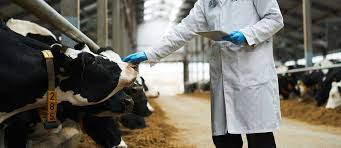
How to Maintain Ideal Body Condition Score (BCS) in Cattle Throughout the Year
Body Condition Score (BCS) is an important indicator used to evaluate a cow’s body condition based on its fat reserves. Maintaining an ideal BCS plays a crucial role in supporting milk productivity, reproductive performance, and overall health of dairy cattle. Seasonal changes, feed availability, and environmental conditions often become challenges in keeping BCS stable throughout the year.A BCS that is too low can lead to reduced milk yield, reproductive problems, and increased susceptibility to disease due to energy deficiency. On the other hand, an excessively high BCS may cause metabolic disorders and decrease production efficiency. Therefore, maintaining BCS within the ideal range, generally between 2.75 - 3.25, is a key objective in dairy herd management.Balanced feeding management is the main factor in controlling BCS. Rations should be adjusted according to the cow’s physiological stage, such as early lactation, peak lactation, and the dry period, to ensure adequate energy and nutrient intake. Proper feed adjustments help prevent rapid and extreme fluctuations in body condition.In addition to nutrition, regular BCS monitoring and proper housing management also play an important role. Clean housing, adequate ventilation, and effective heat stress control help maintain feed intake and cow comfort. With an integrated management approach, ideal BCS can be maintained year-round, supporting consistent productivity and long-term sustainability of dairy farming operations.

Common Mistakes Beginner Farmers Make in Barn Management
Many beginner farmers still see barns merely as shelters, even though proper barn management plays a major role in livestock health and productivity. One of the most common mistakes is poor hygiene. Wet floors, clogged drainage, and irregular cleaning increase the risk of diseases, especially mastitis and hoof problems.Another frequent issue is inadequate ventilation. Poor air circulation creates humid and hot conditions that cause heat stress, reduce feed intake, and negatively affect milk production. Insufficient lighting can also limit cow activity and comfort, particularly in enclosed housing systems.Improper barn layout is another challenge. Limited space between cows, poorly positioned feeding areas, and uncomfortable flooring can lead to stress, injuries, and infections. Over time, these conditions reduce performance and increase maintenance costs.Good barn management does not have to be expensive, but it requires consistency and basic knowledge. By maintaining cleanliness, proper airflow, and cow comfort, beginner farmers can establish a healthier and more sustainable dairy operation.
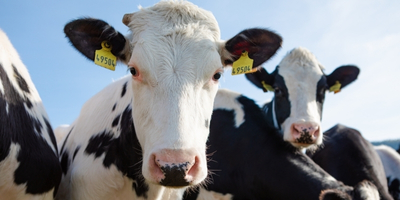
Daily Checklist for Dairy Farmers to Maintain Stable Production
Stable milk production does not happen by chance, but through consistent daily routines. One of the most important daily checks is cow health. Changes in appetite, behavior, or udder condition often indicate early health issues that need prompt attention.Barn hygiene should also be a daily priority. Dry floors, proper drainage, and clean milking areas help reduce the risk of milk contamination and disease. Simple cleaning routines performed daily are far more effective than infrequent deep cleaning.Feed and water management must be monitored every day. Dairy cows require constant access to clean water and consistent rations to maintain stable rumen function. Checking feed leftovers can also help evaluate whether the ration meets the cows’ needs.Milking procedures should be carried out correctly and at consistent times. Pre- and post-milking teat checks, along with clean milking equipment, strongly influence milk quality. With a simple but disciplined daily checklist, farmers can maintain cow health, milk quality, and long-term production stability.

The Secret to a Comfortable Cow Barn: The Right Way to Lay Down Carpets
The Right Method for Placing Cow Mats to Create a Comfortable Cow BarnIn modern animal husbandry, creating a comfortable cow barn is no longer an option, but a necessity. One method that has proven effective in increasing livestock comfort and productivity is the use of cow mats. However, the benefits of cow mats will not be maximized without the right placement method. This is where education plays an important role for every farmer.Why is Cow Mat Placement So Important?Many farmers already use cow mats, but still complain that their cows are easily stressed, have foot problems, or that the barn remains slippery. The problem is often not with the product, but with the installation method. Cow mats that are installed carelessly can reduce traction, accelerate wear and tear, and even endanger livestock.With the correct installation method, cattle mats function as anti-slip flooring, pressure-reducing pads for the feet, and help maintain optimal barn cleanliness.Recommended Methods for Placing Cow Mats by PredatorAs a brand that focuses on modern barn solutions, Predator recommends the following methods for placing cow mats to ensure that barns are truly comfortable and functional:1. Install in High-Activity AreasPrioritize installing cow mats in areas that livestock frequently pass through, such as entry and exit paths, feeding areas, and drinking areas. These areas have the highest risk of slipperiness and require extra protection.2. Ensure the Floor Surface is Flat and CleanBefore installation, the barn floor must be flat, free of bumps, and free of dirt. An uneven surface will reduce the effectiveness of the cow mats and shorten their lifespan.3. Use a Tight Jointing MethodCow mats should be installed tightly without gaps. Gaps between mats can cause dirt to accumulate and pose a risk of cows' feet getting stuck. Predator cow mats are designed with a system that facilitates precise installation.4. Orient the Carpet Pattern CorrectlyThe pattern and fibers on cow carpets have an anti-slip function. Ensure that the installation direction follows the cow's movement path for maximum grip.5. Perform Regular ChecksProper cow carpet placement also includes maintenance. Perform regular checks to ensure that the carpet has not shifted and remains firmly attached to the barn floor.Positive Impact for FarmersWith the right method of placing cow mats, farmers will experience tangible benefits:- Reduced risk of foot injuries in cows- Cows are calmer and less prone to stress- Barns are cleaner and easier to maintain- Livestock productivity increasesThis is why Predator not only sells cow mats, but also provides comfortable cow barn solutions based on proven methods.Cow mats are a long-term investment for farmers. However, without the proper placement method, their benefits won't be optimal. By following Predator's cow mat placement method, farmers can create comfortable, safe barns that maximize livestock performance.Predator – Barn Flooring Solutions for Modern Farmers.

Strengthening the Capacity of Local Farmers: The Key to Sustainable Meat and Milk Self-Sufficiency in Indonesia
Strengthening the capacity of local livestock farmers is the main foundation for achieving sustainable meat and milk self-sufficiency through comfortable housing, modern management, and appropriate technology. Self-sufficiency in meat and milk is a major goal of the Indonesian people in building national food security. However, achieving this target cannot rely solely on import policies or increasing livestock populations. A crucial factor that is often overlooked is strengthening the capacity of local farmers as the main actor in the field.Local farmers play a strategic role in the national meat and dairy production chain. Unfortunately, many farmers still face limitations in knowledge, production facilities, and access to technology. Without continuous capacity building, consistent meat and dairy self-sufficiency will be difficult to achieve.Local Farmers as the Foundation of Self-SufficiencyThe majority of livestock production in Indonesia comes from smallholder farms. This means that the success of the program meat self-sufficiency and milk self-sufficiency. It depends heavily on the readiness and capabilities of local farmers. Strengthening the capacity of farmers isn't just about increasing livestock numbers, but also includes:- Understanding farm management efficient- Safe and comfortable cage management- Prevention of livestock injuries and diseases- Optimizing productivity without sacrificing livestock welfareFarmers who have adequate capacity will be more adaptive to change, more efficient in operations, and more sustainable in the long term.Comfortable Housing: A Critical Factor in Livestock ProductivityOne crucial aspect of improving livestock capacity is the quality of the pens. Slippery, muddy, or unhygienic pens can cause stress, injury, and even death. These conditions directly reduce meat and milk productivity.Education about comfortable and safe housing is the first step towards modern livestock farming. Using proper bedding, a good drainage system, and livestock-friendly housing materials has been proven to:- Reducing the risk of cows slipping- Reducing the number of injuries and illnesses- Improve livestock comfort and performanceThis is where the role of simple yet effective technology-based solutions becomes crucial.Predators and the Commitment to Building Sustainable LivestockAs a brand born from the needs of livestock breeders, Predator is present not only as a product provider, but also as an educational partner for local farmers. Predator believes that sustainable farming starting from a comfortable pen and prosperous livestock.Through innovative, high-quality rubber cage bedding, Predator helps farmers create safer, more hygienic, and more durable cage environments. This solution helps farmers increase productivity while reducing the risk of losses due to livestock injuries.Moreover, Predator consistently promotes farmer education through practical content and information so that Indonesian farmers can move up a class and compete sustainably.Towards an Independent and Competitive Livestock FarmStrengthening the capacity of local livestock farmers is a long-term investment for the nation. When farmers are equipped with the right knowledge, technology, and support, they can not only increase production but also maintain environmental and economic sustainability.Collaboration between farmers, industry, and other stakeholders is key to building a strong national livestock ecosystem. With empowered farmers, Indonesia has a significant opportunity to achieve self-sufficiency in meat and milk independently and sustainably.Self-sufficiency in meat and milk will not be achieved without strong local livestock farmers. Through capacity building, improved livestock management, and the implementation of appropriate housing technology, Indonesian livestock farmers can become a key driver of national food security. Predator is committed to continuing to be part of this journey, assisting farmers towards more advanced, safe, and sustainable livestock farming.

Modern Livestock Management That Can Be Applied by Smallholder Farmers
Modern livestock management is key to increasing the productivity and sustainability of livestock businesses in Indonesia. Amidst the challenges of rising feed costs, disease risks, and demands for quality livestock products,smallholder farmers are required to start implementing a more organized and planned management system. The good news is, modern management doesn't always require expensive technology or large-scale operations.The Importance of Good Farm ManagementModern farm management is a way to manage a livestock business efficiently, measurably, and with a long-term focus. With good management, farmers can control costs, maintain livestock health, and increase meat and milk production.For smallholder farmers, proper management can have a significant impact due to the limited scale of their operations. Small mistakes, such as slippery pens or poor hygiene, can lead to significant losses due to livestock injuries or illnesses.Cage Management as the Main FoundationOne of the main pillars in livestock management is management.cowshedUncomfortable pens can cause stress, reduce appetite, and even lead to injury in livestock. Therefore, pens must be designed to be safe, clean, and easy to maintain.Some principles of a good cage include:- The cage floor is not slippery and easy to clean.- Smooth drainage so that the cage does not get muddy- Sufficient air circulation- The layout of the cage facilitates daily activities.Using proper bedding helps reduce the risk of cows slipping and maintains their comfort. A safe barn environment will directly impact productivity.Focus on Animal Welfare and HealthModern farm management places livestock welfare as a priority. Healthy and comfortable livestock have better production performance and a longer productive lifespan. Disease prevention through clean pens and routine maintenance is far more cost-effective than medical treatment.Smallholder farmers can start with simple steps such as keeping the floor of the pen clean, monitoring the condition of the livestock's feet, and ensuring that the livestock can stand and lie down comfortably.Simple Record Keeping for Decision MakingRecord-keeping is a key feature of modern management. Farmers don't need a complicated system; simply record livestock numbers, health conditions, and production results. Consistent record-keeping allows farmers to evaluate livestock performance and plan business development more effectively.Towards Sustainable LivestockThe implementation of good management will lead farmers towards sustainable farming. Livestock farming focuses not only on short-term results but also on maintaining production stability, cost efficiency, and long-term business continuity.As a partner to livestock farmers, Predator supports the implementation of modern livestock management through safe, comfortable, and durable housing solutions. Predator believes that a strong livestock farm always starts with a well-organized housing system.Modern livestock management can be implemented by smallholder farmers in a gradual and realistic manner. From pen management and attention to livestock welfare to simple record-keeping, all these steps help farmers increase productivity and maintain business sustainability.

A Comfortable Pen Isn't Just About Cleanliness: This Is the Key to Cattle Productivity That Farmers Often Overlook
In modern animal husbandry, barns are no longer simply shelters for cattle. Comfortable barns are the foundation for livestock health, cost efficiency, and increased productivity. Unfortunately, many farmers still focus on feed and medication, neglecting basic aspects like barn flooring and cow comfort while resting. This is where the role of barns comes in; cow rugs are a solution that is starting to be widely implemented by progressive breeders.Why is a Comfortable Cage So Important?Cows spend a lot of time standing and lying down. If the floor of the barn is hard, slippery, or damp, they become easily stressed, susceptible to injury, and even suffer from hoof and joint problems. The impacts are significant: decreased appetite, stunted growth, and increased health care costs.Comfortable cattle pens will help maintain optimal physical condition. Cattle are calmer, less likely to be injured, and more efficient at converting feed into body weight. This means farmers avoid unnecessary, avoidable costs.Common Problems with Conventional Cage FloorsMany barns still use plain cement or dirt floors. The problem is, these floors often become a major source of ammonia odor, are slippery when wet, and are difficult to keep clean. Furthermore, the long-term direct pressure on the cows' feet can cause lameness and reduce their performance.Farmers often consider this condition normal, but if left untreated, hidden costs will continue to arise: medication, additional vitamins, and the risk of the cattle being unsaleable.Cow Carpets: A Practical and Efficient SolutionUsage Predator cow rug, this is a breakthrough in addressing the problem of barn flooring. This carpet is specifically designed for livestock farming, made from strong, non-slip material, and reduces pressure on cows' feet. Furthermore, its design helps control humidity, keeping the barn drier and preventing odors.With the right cow matting, barn cleanliness is easier to maintain, cleaning time is reduced, and cows feel more comfortable both standing and lying down. This isn't just a matter of convenience, but a long-term investment for farmers.Real Impact for FarmersFarmers who have started using comfortable cow mats in their pens have seen significant changes. Cows are more active, have fewer injuries, and have more stable growth. Furthermore, maintenance costs have decreased because the risk of disease caused by damp and slippery pens has been reduced.For both smallholder and large-scale farmers, small steps such as improving the floor of the barn can have a big impact on the final result.Predator: Supporting Farmers to AdvancePredator is a partner for Indonesian cattle farmers, offering comfortable, safe, and durable cattle housing solutions. Predator's cattle carpet products are designed to address real-world needs, not just theoretical concepts.If you want cleaner barns, healthier cows, and more manageable costs, it's time to turn to smarter solutions. Because successful farming always starts with comfortable barns.
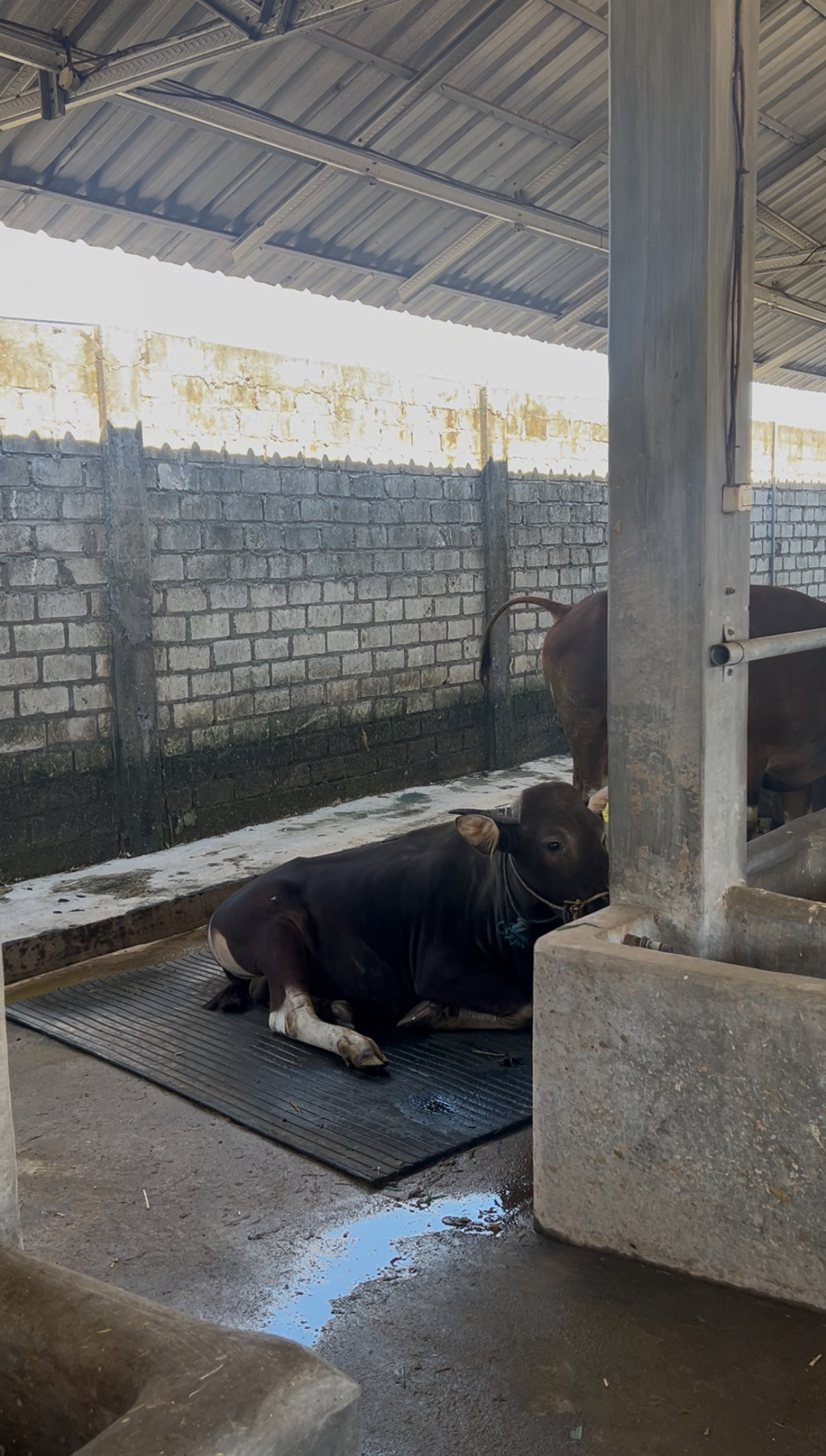
Small Mistakes in Cow Sheds That Seem Trivial, But Secretly Drain Farmers' Costs
Many farmers feel they work hard every day: keeping the barn clean, feeding the cattle on time, and spraying them regularly to prevent odor. Yet, oddly, the costs still seem high, and livestock yields are suboptimal. If this is a frequent experience for you, the problem may not be with the feed or medication, but rather with the livestock itself, a minor error in the cow shed which is often considered trivial.The cage looks clean, but it's not comfortable.Cleaning the pen is important, but cleanliness alone isn't enough. Pens that are frequently sprayed with water but don't dry quickly actually lead to excess humidity. This condition makes the floor slippery, causes an ammonia odor, and makes the cows susceptible to foot problems.Uncomfortable cattle will stand more often, lie down less often, and become easily stressed. As a result, energy that should be used for growth is instead used to adapt to the less-than-ideal barn environment.Cage Floors: An Often Overlooked Source of ProblemsOne of the most common mistakes is leaving the cage floor hard and cold. Plain cement or dirt floors may seem sturdy, but in the long run, they can cause lameness, hoof injuries, and infections.These problems are often not immediately apparent. Farmers only realize it when the cow begins to have difficulty standing, loses appetite, or doesn't reach target body weight. By this point, additional medical and care costs have already been incurred.Small Expenses That Continue Every DayUncomfortable pens create hidden costs: medication, extra vitamins, extra labor, and even the risk of delayed harvest. When calculated, these small expenses can far outweigh the initial investment in pen repairs.Farmers often focus on rising feed prices, even though cage efficiency can have a big impact on daily expenses.Cow Carpets as a Real SolutionUsage Predator cow rug is a practical solution to address barn floor issues. This carpet is designed to be non-slip, softer, and helps keep the barn dry. This reduces pressure on the cows' feet, reduces the risk of injury, and allows them to rest more comfortably.With more stable housing conditions, cattle are calmer, less likely to get sick, and grow optimally. This means maintenance costs can be reduced without compromising the quality of care.Smart Farmers Focus on the Root of the ProblemProgressive farmers aren't the ones who spray their pens the most, but rather the ones who understand the root of the problem. Improving pen flooring and cow comfort is a strategic step that often goes unnoticed.Predator is here to help Indonesian farmers reduce small mistakes that can have big consequences. With the right housing solutions, costs can be controlled and livestock yields maximized.Because in animal husbandry, coop comfort is not an additional cost, but a long-term investment.
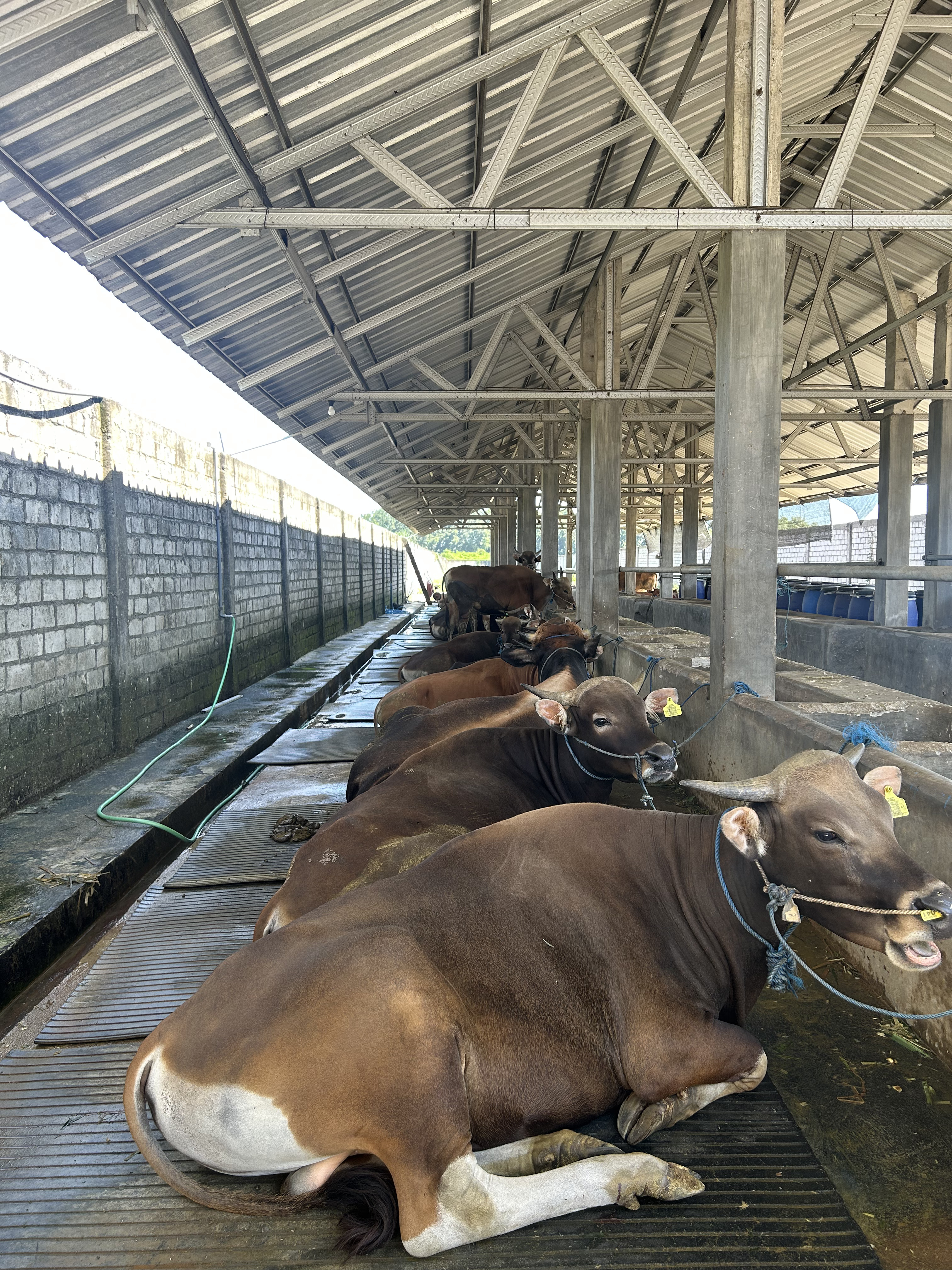
After Realizing the Mistake, Here Are Real Steps to Improve Your Cow Shed to Make It More Efficient
In the previous article, we discussed minor errors in the cow shed that seem trivial and can actually slowly drain a farmer's finances. From damp, slippery floors to pens that look clean but aren't truly comfortable for the cows. The question now is,What concrete steps can farmers take after realizing these mistakes?This article is a continuation and practical guide so that farmers do not stop at the "problem awareness" stage, but actually move on to solutions.Evaluation of the Pen from the Cow's PerspectiveThe first step that farmers often overlook is viewing the pen from the cow's perspective. Take a look at:- Do cows often stand and rarely lie down?- Does the floor feel cold, hard, or slippery when you walk on it?- Does the smell appear quickly even though the cage is cleaned regularly?If the answer is yes, it means the barn isn't fully supporting the cows' comfort. However, comfortable cows are calmer, healthier, and grow more efficiently.Focus on Repairs on the Cage FloorOf the various cage factors, the cow shed floor is the most crucial point. The floor, which comes into direct contact with the cows' feet and bodies, has a significant impact on the health of their hooves, joints, and stress levels.Repairing the floor doesn't always mean completely dismantling the barn. Many farmers are turning to practical solutions that can be implemented immediately without disrupting daily activities, such as adding a special padding to the cows' footing area.Reducing Costs the Smarter WayA common mistake farmers make is to continually increase downstream costs, such as medication and vitamins, without addressing the root of the problem. However, by improving housing conditions, the need for additional care can be minimized from the outset.This is why a comfortable cage is not an expense, but rather a long-term cost-saving toolThe lower the risk of injury and stress to cattle, the lower the unexpected costs.Cow Carpets as an Effective Transitional StepAs a continuation of the previous discussion, the use of Predator cow rug is one of the most realistic transition steps for farmers. Without the need for major renovations, the barn floor can be softer, less slippery, and easier to keep clean.Cow mats help create a more stable barn environment. Cows are more comfortable standing and lying down, allowing their energy to be focused on growth and production, rather than adapting to the harsh floor.From a More Comfortable Cage to Maximum ResultsFarmers who implement simple improvements to their barns typically begin to see a gradual impact. Cows appear calmer, experience fewer leg problems, and perform more consistently.Here is the common thread from the previous article: “Small mistakes will continue to cost money if left unchecked, but simple solutions can make a big difference if implemented correctly.”Predator is committed to assisting Indonesian livestock farmers to upgrade their livestock, starting with more comfortable, safe, and efficient cages.If you haven't read the previous article about minor mistakes in cow barns, be sure to read it first to understand the root of the problem before implementing the solution.
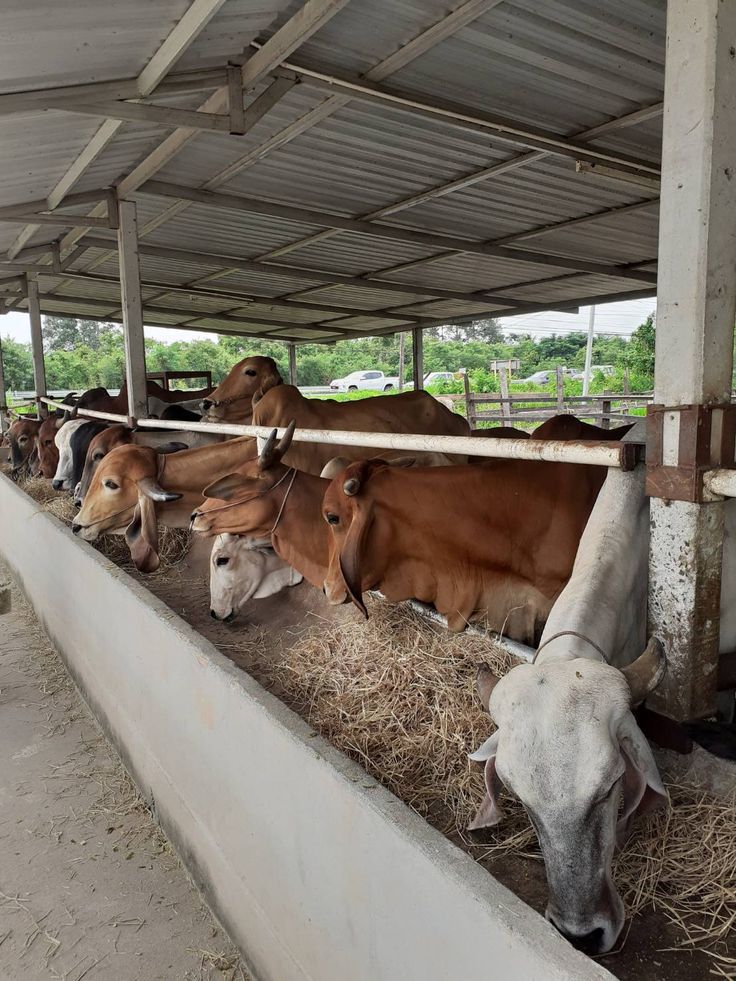
Cow sheds quickly smell, not because they are rarely cleaned, but because of this
Many farmers complain about the same problem: cow sheds smell quickly, despite routine cleaning and spraying every day. The ammonia odor persists, the cows appear uncomfortable, and the surrounding environment is disturbed. If you experience this, the problem is likely not with the frequency of cleaning the pen, but with the pen system itself.This article discusses the main causes of smelly coops that are often overlooked by farmers, as well as realistic solutions that can be implemented without major renovations.Too Much Water Just Makes the Odor WorseSpraying the cage with water is intended to clean up waste. However, if done without a supportive flooring system, the water will stagnate and increase humidity. This dampness accelerates the development of ammonia odors.A stall floor that takes longer to dry allows urine and manure to mix. As a result, even if the stall appears clean, the odor persists within hours.The Cage Floor is a Determining FactorOne of the main causes of cow sheds smelling quickly is cage floor which are unable to manage fluids properly. Plain cement or dirt floors absorb water and urine, then release it back as odor.Besides the smell, constantly wet floors also increase the risk of slipping and hoof problems in cattle. This combination of problems is often taken for granted, yet it has significant impacts on livestock health.Barn Odor Has a Direct Impact on ProductivityPungent odors not only bother humans but also affect the well-being of cows. An uncomfortable barn environment can easily cause cows to become stressed, lose their appetite, and reduce their rest time.If left untreated, this condition can lead to suboptimal growth and increased maintenance costs. In other words, cage odor is an early sign that the housing system needs improvement.Cow Carpet as an Odor Control SolutionOne solution that is starting to be implemented by many breeders is the use of Predator cow rugs. This carpet helps reduce standing water, keeps the floor surface dry, and minimizes direct contact between cows and urine.With a drier floor, the barn cleaning process is more effective and odors are less likely to develop. Furthermore, the cows feel more comfortable standing and lying down.A Healthy Coop Starts with the Right SystemAddressing barn odor isn't about adding perfume or spraying more frequently, but rather improving the basic barn system. Focusing on the barn floor and cow comfort is the most sensible first step.Predator is here to help Indonesian cattle farmers create healthier, odor-free cattle pens that support livestock productivity. Because good pens not only look clean but also feel comfortable for the cows.

After Realizing the Mistake, Here Are Real Steps to Improve Your Cow Shed to Make It More Efficient
In the previous article, we discussed minor errors in the cow shed what seems trivial can actually slowly drain a farmer's finances. From damp, slippery floors to pens that look clean but aren't truly comfortable for the cows. The question now is,What concrete steps can farmers take after realizing these mistakes?This article is a continuation and practical guide so that farmers do not stop at the "problem awareness" stage, but actually move on to solutions.Evaluation of the Pen from the Cow's PerspectiveThe first step that farmers often overlook is viewing the pen from the cow's perspective. Take a look at:- Do cows often stand and rarely lie down?- Does the floor feel cold, hard, or slippery when you walk on it?- Does the smell appear quickly even though the cage is cleaned regularly?If the answer is yes, it means the barn isn't fully supporting the cows' comfort. However, comfortable cows are calmer, healthier, and grow more efficiently.Focus on Repairs on the Cage FloorOf the various cage factors,cow shed flooris the most crucial point. The floor, which comes into direct contact with the cows' feet and bodies, has a significant impact on the health of their hooves, joints, and stress levels.Repairing the floor doesn't always mean completely dismantling the barn. Many farmers are turning to practical solutions that can be implemented immediately without disrupting daily activities, such as adding a special padding to the cows' footing area.Reducing Costs the Smarter WayA common mistake farmers make is to continually increase downstream costs, such as medication and vitamins, without addressing the root of the problem. However, by improving housing conditions, the need for additional care can be minimized from the outset.This is why a comfortable cage is not an expense, but rather along-term cost-saving toolThe lower the risk of injury and stress to cattle, the lower the unexpected costs.Cow Carpets as an Effective Transitional StepAs a continuation of the previous discussion, the use ofPredator cow rugis one of the most realistic transition steps for farmers. Without the need for major renovations, the barn floor can be softer, less slippery, and easier to keep clean.Cow mats help create a more stable barn environment. Cows are more comfortable standing and lying down, allowing their energy to be focused on growth and production, rather than adapting to the harsh floor.From a More Comfortable Cage to Maximum ResultsFarmers who implement simple improvements to their barns typically begin to see a gradual impact. Cows appear calmer, experience fewer leg problems, and perform more consistently.Here is the common thread from the previous article: “Small mistakes will continue to cost money if left unchecked, but simple solutions can make a big difference if implemented correctly..”Predator is committed to assisting Indonesian livestock farmers to upgrade their livestock, starting with more comfortable, safe, and efficient cages.If you haven't read the previous article about minor mistakes in cow barns, be sure to read it first to understand the root of the problem before implementing the solution.

Cows Standing More Often and Rarely Lying Down? There Could Be a Problem with Your Barn
Many farmers are unaware of one important sign of an uncomfortable cow: cows stand more often and rarely lie down. At first glance, it may seem trivial, even considered normal. However, this behavior is a strong signal that the conditions in the pen are not conducive to livestock comfort.If left unchecked, the habit of cows rarely lying down can have a direct impact on their health, productivity, and maintenance costs.Lying Down Is Not Just RestingWhen a cow lies down, its body is at its most relaxed state. This is the phase during which optimal energy recovery occurs. Cows that get enough time to lie down tend to have better appetites, stable growth, and lower stress levels.Conversely, cows that are reluctant to lie down usually find the floor of the pen too hard, slippery, cold, or damp. As a result, they choose to stand longer even though their bodies are tired.The Negative Impact of Cows Standing Too LongCattle that stand too frequently are at risk of developing foot and hoof problems. Constant pressure can lead to lameness, sores, and even infections. In the long term, this condition reduces cattle performance and increases healthcare costs.Ironically, farmers often only realize this problem when the cows are already showing signs of illness or having difficulty moving.The Cage Floor is a Major FactorThe main reason why cows are reluctant to lie down is almost always related to the cow shed floor. Floors that are not soft and always wet make cows feel unsafe to lie down.This issue is often related to previous articles about quickly smelly cages and minor cage errors. They all come back to the same point: a suboptimal cage flooring system.Cow Rugs Help Cows Lie Down More ComfortablyUsage Predator cow rugThis helps create a softer, non-slippery, and warmer floor surface. This allows cows to lie down and rest comfortably.When cows start lying down more often, farmers will see positive behavioral changes: the cows are calmer, less stressed, and their physical condition is more stable.Cow Comfort is an InvestmentComfortable cows not only appear healthier but are also more profitable. Paying attention to small habits, such as the frequency of lying down, can be the first step in improving overall farm performance.Predator is here to help Indonesian breeders create truly comfortable cages, starting with the right cage flooring.
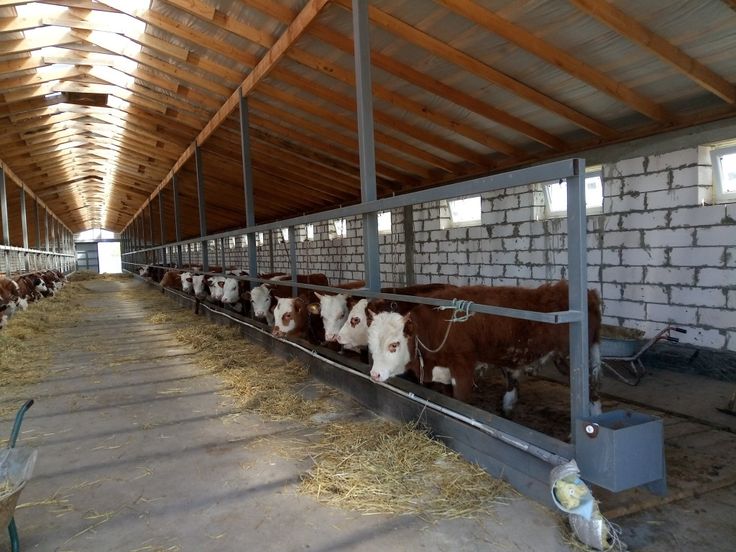
Cage Costs Seem Expensive? There Could Be Leaks the Breeder Has Never Noticed
Many farmers complain that livestock costs continue to rise, even though their cattle numbers haven't increased and yields aren't optimal. Feed is regulated, medication is purchased as needed, but expenses remain high. This situation is often referred to as "over-run."leaking cage costs, coming out little by little, but steadily.The problem is, these cost leaks are rarely directly visible.A Small Fee That Seems ReasonableAdditional medication, extra vitamins, extra manpower for cage cleaning, and delayed harvest times are often considered trivial. However, when added together, these small costs can add up to a significant burden over a single period of care.The root of the problem is often not in feed management, but in barn conditions that do not support the health of the cows.Uncomfortable Cage = Ongoing CostsUncomfortable cows are more susceptible to illness, stress, and foot problems. Every small issue adds to the cost, making expenses seem endless.The previous article discussed signs of problematic barns, from rapidly developing odors to cows rarely lying down. All of these indicators are directly related to cost leakage.Stopping Leaks at the SourceRather than continuing to cover costs downstream, farmers need to stop leakage at the source. The primary focus is on housing systems, especially the cow shed floor which is the main point of contact for livestock every day.Small but targeted improvements can reduce the need for medication, reduce the risk of injury, and speed up harvest time.Cow Carpets as an Efficiency ToolUsage Predator cow rug not only does it increase comfort, but it's also a cost-effective tool. With safer and more comfortable floors, the risk of health problems is reduced and unexpected expenses are reduced.Long-term thinking ranchers are starting to see cow rugs as an investment, not an additional expense.Healthier Farms, More Controlled CostsWhen barns are improved from the ground up, the effects are felt throughout the entire livestock system. Cows are healthier, care is easier, and costs are more manageable.Predator is committed to helping Indonesian farmers stop the leakage of cage costs with real solutions that can be implemented immediately.

Rainy Season Coming? Here Are the Hidden Risks in Cow Sheds to Watch Out For
The rainy season is often considered a blessing due to cooler temperatures and abundant forage. However, livestock farmers often face significant challenges: damp, muddy pens that pose health risks to their cattle. If not properly managed, the rainy season can lead to increased maintenance costs and decreased livestock performance.This article discusses the hidden risks in cattle pens during the rainy season and the preventative measures that farmers can take.Humidity Height Triggers Health ProblemsHeavy rainfall drastically increases the humidity in the barn. Floors that are difficult to dry create an ideal environment for bacteria and fungi to thrive. As a result, cows are more susceptible to skin diseases, hoof infections, and even respiratory problems.This problem often appears slowly and is considered normal. However, excessively damp barns are one of the main triggers for a reduced immune system in cattle.Slippery Floors and Risk of InjuryDuring the rainy season, barn floors become more slippery. Water mixed with manure makes the surface even more dangerous. Cows that slip risk leg and joint injuries.Minor injuries can have significant consequences if not treated promptly. Besides medical costs, livestock productivity can also decrease due to discomfort in movement.The smell appears fasterExcessive humidity accelerates the decomposition of urine and manure. This is why cow sheds often smell more quickly during the rainy season. The pungent odor not only disturbs the surrounding environment but also affects the cows' well-being.Cattle in uncomfortable environments tend to become stressed and lose their appetite. In the long term, this impacts growth and crop yields.The Importance of a Supportive Floor SystemFacing the rainy season doesn't mean farmers need to undertake major renovations. The main focus is on the barn flooring system, which helps reduce waterlogging and maintains a stable surface.Usage Predator cow rug is a solution that helps create safer and more comfortable footing. The non-slip, quick-drying surface helps reduce the risk of injury and maintains optimal cage hygiene.With the right flooring system, the rainy season is no longer a major threat to livestock health.Better Preparation, Less RiskFarmers who are prepared for the rainy season usually anticipate it well in advance. Ensuring proper drainage, regulating air circulation, and repairing barn floors are all strategic steps they can take.Predator is here to help Indonesian farmers create more weather-resistant cattle pens. Comfortable and safe pens are key to maintaining stable productivity throughout the season.Don't wait for problems to arise during the rainy season. Prepare your pen now to keep your cattle healthy and keep costs under control.
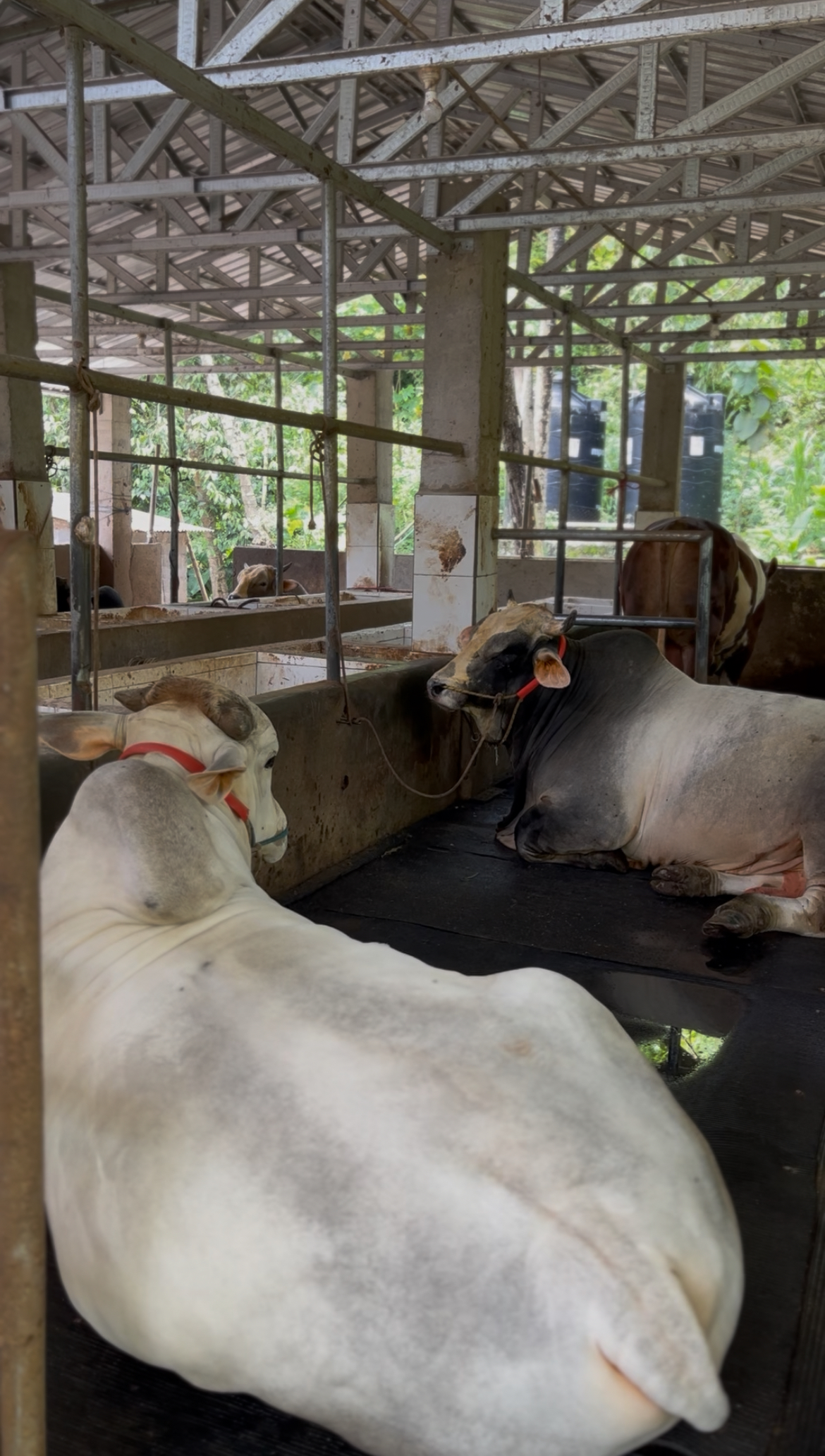
Heat Stress in Cattle: A Hidden Threat That Reduces Productivity
Besides the rainy season, the dry season also presents significant challenges for cattle farmers. High temperatures and poor air circulation can trigger heat stress in livestock. This condition often goes unnoticed at first, but its impact on cattle growth and health is very significant.Understanding the causes and how to address them is an important step to maintaining stable productivity throughout the year.What is Heat Stress in Cattle?Heat stress occurs when the environmental temperature exceeds the cow's comfort level. The cow's body works harder to reduce the temperature, so energy that should be used for growth is instead used to defend against the heat.The signs include:- The cow is panting- Decreased appetite- Standing and fidgeting more often- Water consumption has increased drasticallyIf this condition persists for a long time, it can be difficult to gain weight and the risk of disease increases.Cages Play a Big Role in Reducing StressMany farmers focus on adding vitamins or supplements during the summer, but forget that housing conditions are a key factor. Hot, humid, and poorly ventilated housing exacerbates cow stress.The heat-retaining floor of the barn also discourages cows from lying down, even though rest time is crucial for energy recovery.The Importance of a More Comfortable FloorFloor surfaces that are too hard and hot can increase discomfort. Cows will be standing more frequently, increasing pressure on their feet and increasing the risk of injury.Usage Predator cow rug this helps create a more comfortable surface that doesn't absorb heat as readily as cement floors. With more stable footing, cows can rest more comfortably even when the ambient temperature rises.Strategies for Facing the Dry SeasonSome steps that breeders can take:- Ensure optimal cage ventilation- Provide access to sufficient drinking water- Reduce the density of cattle in the pen- Improve the floor system to prevent overheating.A more comfortable pen will help cows get through the dry season without a significant decrease in performance.Stable Productivity Throughout the SeasonFarmers who understand the importance of barn management focus not only on feed but also on the livestock environment. With the right barn system, the risk of heat stress can be reduced and cattle growth can be optimal.Predator supports Indonesian farmers in creating more comfortable and safe cattle pens in various weather conditions.
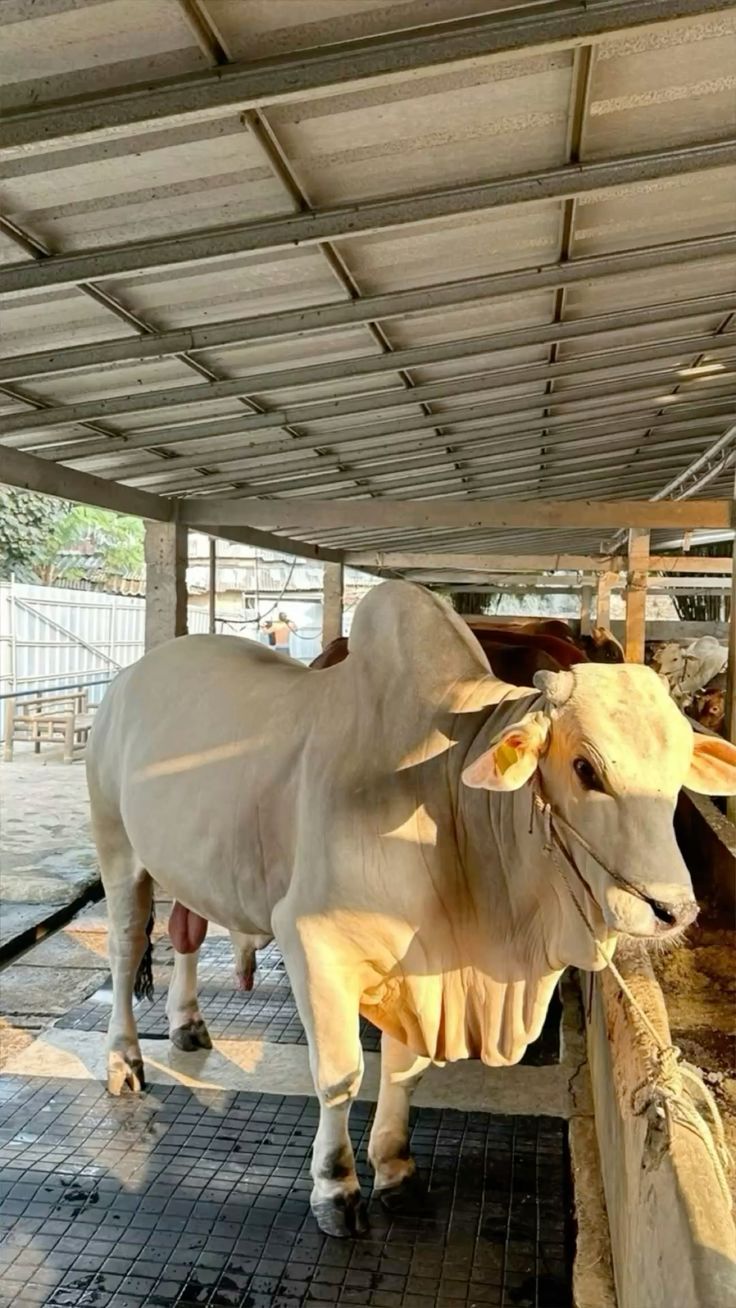
Eid al-Adha Preparations: Farmers' Strategies for Selling Cattle and Maximizing Prices
Eid al-Adha is a highly anticipated occasion for cattle breeders. Demand increases dramatically, prices tend to rise, and profit opportunities are plentiful. However, high demand also means fierce competition. Breeders who don't prepare thoroughly could miss out on this golden opportunity.In order for the cattle to be ready for sale and provide maximum results, preparations for Eid al-Adha must begin long before the big day.1. Ensure the cow's physical condition is optimal.As Eid al-Adha approaches, prospective buyers pay close attention to the physical condition of cattle. Body weight, posture, clean coat, and strong legs are key indicators of quality.Healthy and active cattle will sell more easily at a good price. Therefore, ensure stable feed management, adequate nutritional intake, and the absence of health problems that could hinder growth.Housing conditions also play a crucial role. Cows in comfortable housing tend to have lower stress levels and optimal growth.2. Pay attention to the health of your feet and nails.One common problem that arises before a sale is limping or leg problems. This condition can significantly reduce the selling price.Hard, slippery barn floors are a major cause of foot problems in cattle. Therefore, it's important to ensure cows shed floor safety and do not cause injury.Usage Predator cow rug this helps reduce pressure on the legs and creates a more stable footing. This reduces the risk of limping cattle approaching sale time.3. Maintain Cleanliness and Odor of the CagePotential buyers often come directly to the cages. A clean, odor-free cage creates a professional impression and increases trust.Excessive humidity can cause a strong odor and make the cows look poorly cared for. Ensure proper drainage and that the floor is not prone to flooding.A comfortable and dry pen not only improves the health of the cows, but also builds the image of a farmer who is serious about managing his business.4. Set a Sales Strategy EarlyBesides technical aspects, marketing strategy is also important. Start promoting early through social media, marketplaces, or established customer networks.Show photos and videos of cattle in their best condition. Active, clean, and upright cattle will be more appealing to potential buyers.5. Prepare the Cage for Activity SpikesAs Eid al-Adha approaches, activity in the barn increases. Many potential buyers arrive, reweighings are carried out, and cattle mobility is increased. Ensure the barn is secure and non-slip to reduce the risk of injury during this increased activity.A good housing system will help maintain the stability of the cow's condition until the day of delivery.Maximize the Momentum of Eid al-AdhaEid al-Adha isn't just about selling cattle, but also about maintaining quality right up until the final day. Farmers who focus on health, stable comfort, and marketing strategies will have a better chance of getting the maximum price.Predator supports Indonesian cattle farmers by providing comfortable and safe cattle housing solutions. With the right flooring system, cattle are healthier, more marketable, and more valuable.Start preparing for Eid al-Adha now. Success on this holiday depends on early preparation.

Recognize the Signs of Healthy Cows from Their Behavior in the Pen
Assessing cattle health doesn't always require a veterinary examination. Farmers can actually observe early signs of cattle health simply from their daily behavior in the barn.Healthy cows will exhibit consistent activity patterns. Conversely, subtle changes in behavior can be an early sign of a problem.1. Stable AppetiteHealthy cattle have a good and consistent appetite. If a cow starts to reduce her feed intake or appears reluctant to eat, it could be an indication of stress or a health problem.A comfortable barn environment helps maintain a stable appetite. Cattle that are not stressed tend to consume feed more optimally.2. Enough time to lie downHealthy cows typically have sufficient time to lie down each day. Lying down helps restore energy and maintain body balance.If cows rarely lie down, the floor of the barn may be too hard, slippery, or damp. These conditions make it uncomfortable for the cows to rest.3. Active and Stable MovementPay attention to how the cow walks. Healthy cows move steadily, don't limp, and don't appear to be in pain when standing. Leg problems often stem from poor barn flooring.Usage Predator cow rug helps create a safer footing and reduces the risk of foot injury.4. Clean and Not Dull FurA cow's health is also reflected in the condition of its coat. A clean, matted coat indicates good barn management. An environment that is too humid or smelly can affect the physical condition of the cattle.5. Calm and Uneasy BehaviorHealthy cows tend to be calmer. If a cow appears restless, frequently shifts position, or is easily startled, there may be environmental factors causing discomfort.A dry, non-slippery, and well-ventilated pen helps keep livestock calm.Health Starts from the EnvironmentMost indicators of cattle health are closely related to barn conditions. Comfortable barn floors, good hygiene, and proper management are the key foundations.Predator is here to help Indonesian farmers create more comfortable cattle pens and support the overall health of their livestock.By understanding the daily behavior of cattle, farmers can detect problems more quickly and maintain maximum productivity.

Conventional Cages vs. Modern Cages: Which is More Profitable for Farmers?
In the world of cattle farming, there is still much debate about whether to maintain traditional housing systems or switch to more modern ones. Some farmers feel that conventional housing is sufficient, as long as the cattle can still eat and grow. However, more and more farmers are realizing that housing comfort significantly impacts long-term productivity and costs.So, what's the difference between a conventional cage and a modern cage? And which is more profitable?1. Floor Structure and ComfortConventional pens generally use plain cement or dirt floors. While they may seem sturdy and simple, they can cause long-term problems, such as being slippery, damp, and hard on the cows' feet.Meanwhile, modern barns place greater emphasis on comfort, particularly on the floors of the cow pens. Surfaces are made safer, non-slip, and allow cows to stand and lie down comfortably.These differences may seem small, but they have a huge impact on the health of the cow's feet and stress levels.2. Impact on Livestock HealthIn a typical barn, problems such as limping, injured hooves, and odor are often considered normal. However, these conditions are actually signs that the environment is not optimal.Modern pens are designed to minimize these risks. Cows are more stable when walking, lie down more often, and tend to grow more consistently.A comfortable environment helps maintain the cow's immune system and reduces the need for additional medication.3. Long-Term Cost EfficiencyMany breeders believe that modern cages require a higher initial cost. However, what is often overlooked are the hidden costs of conventional cages: medication, vitamin supplements, the risk of injury, and longer harvest times.With a better housing system, these costs can be reduced. This means efficiency isn't just about initial cost, but also about long-term stability.4. The Role of Cow Carpets in Modernizing ShedsOne practical step toward a modern barn without major renovations is the use of Predator cattle carpet. This carpet helps create a more comfortable, non-slip floor that's easier to clean.With the addition of the right flooring system, a standard barn can be upgraded without having to rebuild from scratch.5. Investment or Expense?The biggest question farmers often have is: is improving the barn an investment or just an extra expense?The answer depends on your perspective. If a more comfortable barn can improve cow health, accelerate growth, and reduce maintenance costs, then it's a worthwhile investment.ConclusionA standard cage may seem adequate, but modern cages offer greater stability and efficiency in the long run. Farmers looking to expand their livestock operations should consider upgrading their housing system as part of their business strategy.Predator is here to support Indonesian farmers in creating more comfortable, safe, and profitable cattle pens.

The Importance of a Good Drainage System in Cow Sheds
Drainage is often the least noticed part of a barn. However, a poor drainage system can lead to various health and hygiene problems.Water that does not flow properly will stagnate and increase the humidity of the cage.Impact of WaterloggingStagnant water mixed with urine and feces accelerates the development of an ammonia odor. Besides being annoying, this condition also increases the risk of skin diseases and nail infections.Floors that are always wet also make it easy for cows to slip and get injured.Effective Drainage Maintains HealthA good drainage system ensures water drains quickly out of the enclosure. Floor surfaces remain drier, cleanliness is maintained, and odors are minimized.However, drainage alone is not enough if the floor surface is still slippery and hard.The Right System CombinationCombining good drainage with the use of Predator cattle mats helps create a more stable barn environment. The surface is safer, less slippery, and more comfortable for the cattle.ConclusionDrainage is more than just a water channel, but a vital part of modern barn management. With the right system, health risks can be minimized and productivity maintained.

How to Increase the Selling Value of Cattle Without Adding Much Cost
Every farmer naturally wants to sell his cattle at the best price. However, increasing the selling price doesn't always mean increasing costs significantly. In fact, small improvements in barn management and daily maintenance can have a significant impact.Here are some strategies that can be applied.1. Ensure your posture and physical condition are in good condition.Cattle with a straight posture, strong legs, and stable movement will be more attractive to buyers. The condition of the legs is greatly influenced by the quality of the stall floor.A comfortable environment helps cows grow with a more optimal body structure.2. Maintain the Cleanliness and Aroma of the CagePotential buyers often judge the quality of livestock by the condition of their pens. Clean, odor-free pens reflect good management.Reducing humidity and keeping floors dry are important steps to building a professional impression.3. Reduce the Risk of InjuryCattle that have been injured or lame often experience a decrease in market value. Therefore, prevention is far more important than treatment.Using Predator cow mats helps create a safer and more stable footing, thus reducing the risk of injury.4. Document the development of the cowPhotos and videos of the cattle's development over time can boost potential buyers' confidence. Showcasing clean and tidy pens can strengthen your business's image.ConclusionThe selling price of cattle is determined not only by their weight, but also by their health, posture, and the professionalism of the breeder. With a more comfortable and safe housing system, the chances of getting the maximum price are greater.

Strategy to Increase Cattle Weight Faster with the Right Pen
In modern animal husbandry, increasing cattle weight isn't just about feed. Many farmers still focus on concentrates and forage, but overlook another important factor:pen. In fact, a comfortable pen has a major impact on the growth and health of cattle.Stressed cattle will experience decreased appetite and suboptimal metabolism. Stress can originate from hard, slippery, or muddy pen floors. Therefore, the use of cow rugs is one of the solutions that is starting to be implemented by many progressive breeders.Why Does a Comfortable Cage Affect Weight?Comfortable pens help cows:- Lie down more often and relax- Reduces foot and joint injuries- Maintaining body hygiene- Reduce the risk of nail diseaseWhen cows feel comfortable, more of the energy from feed will be converted into meat, rather than wasted on fighting environmental stress.The Role of Cow Carpets in Modern Shelter SystemsConcrete floors are strong and durable, but they are hard surfaces. Over time, this can cause injury to cows' feet.cow rug functions as a bearing.Advantages of using cow rugs:- Soft and non-slip surface- Reduce floor humidity- Easy to clean- Durable and strong enough to support heavy cattleMany farmers report improved livestock performance after changing their flooring systems. Furthermore, healthcare costs also tend to decrease.The Ideal Size of a Cow CarpetElectioncow carpet sizeThe size of the pen must be adjusted to the type of pen and the weight of the cattle. For large adult cattle, ensure it's large enough for standing and lying down. Avoid making it too small, as this can reduce its effectiveness.Investing in a coop is not just an expense, but a long-term strategy to increase productivity.Modern farming isn't just about feeding as much as possible. A comfortable environment is key to success. With well-organized pens and the proper use of cow mats, cattle growth can be optimized.If you want maximum results, start evaluating your barn conditions today. Because comfortable cows equal maximum weight.

Lameness in Cows Is Not a Trivial Problem: Here's How It Impacts Farmers' Profits
Many farmers consider lameness in cattle to be a minor problem that will resolve itself. However, a single cow with leg problems can cause significant losses, both directly and indirectly.The problem is, limping cows often appear due to less than ideal conditions in the pen, especially the floor.Decreased Appetite and Body WeightLame cows tend to be more sedentary and move less. Eating activity can also be disrupted due to discomfort from prolonged standing.As a result, growth slows and target body weights are not achieved as planned. In a fattening system, delayed harvesting means additional feed and operational costs.Risk of Infection and Treatment CostsLeg wounds can develop into infections if the barn environment is damp and unhygienic. Treatment requires additional costs, not to mention the risk of the cow not being able to be sold at an optimal price.It all starts with unstable footing, slippery floors, or surfaces that are too hard.Prevention is Cheaper than CureEnsuring the cow barn floor is safe and comfortable is the most logical preventative measure. A non-slip and softer flooring system can reduce pressure on the feet.Predator cow mats help create more stable footing so the risk of limping cows can be reduced from the start.ConclusionLameness in cattle is not just a health issue, but also a threat to business profits. Improving housing systems is a strategic step to maintain stable productivity.

A COMPLETE GUIDE TO INCREASING CATTLE PRODUCTIVITY THROUGH A COMFORTABLE AND EFFICIENT CAGE SYSTEM
The modern livestock industry is no longer just about feed and weight. Housing factors are now a major determinant of cattle productivity, health, and market value. Many farmers don't realize that hard, slippery, damp, and unstable barn floors can be a source of long-term losses.Cattle are large animals that spend most of their time standing and lying down. In beef cattle and feedlots weighing 700 kg to over 1 ton, the pressure on their legs and joints is enormous. If the barn floor is unsupportive, the effects can include stress, lameness, injuries, and even decreased appetite.Why is Cage Comfort So Important?The comfort of the cage has a direct impact on:- Duration of cow lying down- Quality of rest- Joint and nail stability- Appetite- Daily weight gain- Risk of injuryComfortable cows will lie down more often. When cows get enough rest, their metabolic and growth systems function optimally. Conversely, cows that rarely lie down often experience leg pressure or feel insecure about the condition of the pen floor.If left untreated, this condition can cause:- Lame- Wound on the knee- Nail infection- Stress crown- Weight lossIt all comes down to one thing: loss.Common Problems with Traditional Cage FloorsMany cages still use rough cement or hard floors without additional flooring. Problems that often arise:1. Surface is too hardThe cow's heavy weight exerts direct pressure on the joints without any cushioning. Over time, this can lead to inflammation and injury.2. Slippery FloorCows are prone to slipping, especially when standing or sitting. Fall injuries can be fatal in large cattle.3. Poor DrainageUrine and remaining fluids do not drain quickly, making the cage damp and smelly.4. Pungent SmellExcess moisture accelerates the formation of ammonia which interferes with the cow's breathing.5. High Maintenance CostsCracked floors, worn cement, periodic repairs, and even the cost of treating sick cows.This problem is often considered “normal”, even though it can actually be prevented.Financial Impacts That Are Often UnrecognizedThe losses resulting from suboptimal housing aren't always immediately apparent. However, if calculated:- Lame cow → slow growth- Decreased appetite → FCR worsens- Wounds & infections → drug costs- Heat stress → decreased feed consumption- Smell of the barn → unhealthy work environmentIn the long run, these hidden costs far outweigh the investment in a better housing system.Modern Cage Systems: Based on Comfort and EfficiencyModern farming is shifting to a convenience and efficiency-based approach.The goal:- Reduce the risk of injury- Increase the duration of lying down- Maintaining foot stability- Optimizing weight gain- Reducing environmental stressOne important component in this system is the use of an elastic floor layer that is able to absorb the pressure of the cow's weight.The Role of Elastic Flooring in ProductivityElastic floor covering helps:- Absorbs pressure when the cow stands- Reduces impact when lying down- Prevent slippage- Keeping the floor temperature stable- Improve overall comfortCows that feel safe when getting up and sitting will be more relaxed. A stable psychological state significantly impacts growth performance.Impact on Weight GainComfortable cows tend to:- Eat more often- Longer break- Not easily stressed- Minimal injuryAll of these factors directly correlate with Average Daily Gain (ADG). In a fattening business, small daily differences can make a big difference over several months.Impact on Sales ValueApproaching the high demand season such as Eid al-Adha, the physical condition of the cow greatly determines the selling price.Cows with:- Strong legs- Not lame- Well developed muscles- Clean body without woundsIt will be easier to sell and more highly valued.A good cage helps maintain peak physical condition until the day of sale.Long-Term Investment, Not ExpenseMany farmers view upgrading their housing system as an additional expense. In fact, it's a long-term investment that:- Reduce the risk of loss- Increase feed efficiency- Minimize medical costs- Increase selling value- Strengthening the farm's reputationThe modern approach to animal husbandry is not just about increasing the number of cattle, but optimizing quality and systems.ConclusionCattle productivity isn't solely determined by feed and genetics. A comfortable, safe, and efficient housing system plays a significant role in maintaining cattle performance.Farms that want to thrive must start paying attention to a detail that is often taken for granted: the floor of the barn.Because that's where health, comfort, and profit begin.

Cows Rarely Lie Down? Here's Why and the Impact on Productivity
Some breeders often consider cows rarely lying down. However, this condition can be a sign of a serious problem.cow shed floor or the overall housing system. In modern livestock systems, the duration of lying down is an important indicator of comfortable cow shed.Naturally, cows need approximately 10–14 hours of rest per day in a lying position. When cows get enough rest, blood circulation improves, metabolism stabilizes, and growth processes are optimal. However, if cows stand more often and are reluctant to lie down, there's likely a factor causing discomfort.Reasons Why Cows Rarely Lie DownSome common causes include:- The floor of the cage is too hard thus putting excessive pressure on the joints.- The slippery surface makes the cows afraid of slipping.- Damp conditions due to poor drainage.- The pungent smell of ammonia is disturbing.- The space for movement is narrow and less safe.Cement floors without pressure dampening are a major contributing factor. For cattle weighing 800 kg to 1 ton, the pressure on the legs is enormous. Without a proper flooring system, cattle will prefer standing rather than enduring the discomfort of lying down.Impact on Growth and WeightCows that rarely lie down tend to experience:- Prolonged mild stress- Decreased appetite- Increased risk of limping- Daily weight gain slows downIn fattening efforts, small differences in increase in cattle weight can have a significant impact on profits. Therefore, ensuring a comfortable cow shed is no longer an option, but a necessity.A simple evaluation can be done by observing whether the cow appears hesitant when trying to sit. If so, there may be a problem with the cow barn's flooring system that needs to be repaired.If your cow seems to be standing more often and is reluctant to lie down, the problem could be that the floor surface is too hard or slippery.Predator Cow CarpetDesigned with pressure-damping properties and a non-slip surface to help create a comfortable cow pen, allowing cows to relax, rest more frequently, and grow optimally. Evaluate your pen now before productivity declines unnoticed.
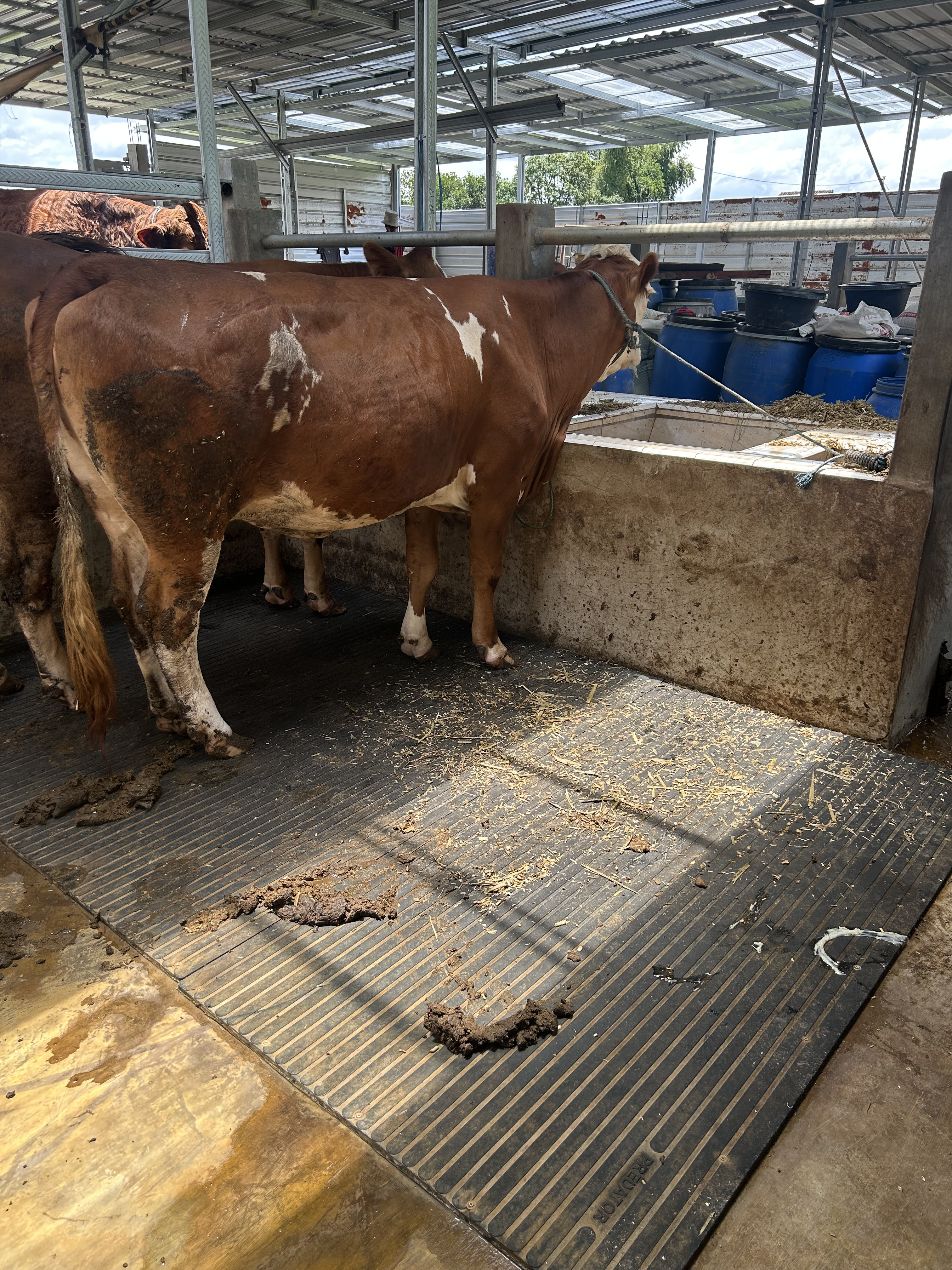
Slippery Cow Shed Floors: A Risk of Injury That Threatens Profits
Slippery cow barn floors are a major cause of injury on modern farms. Many farmers focus on feed and nutrition, but forget thatanti-slip cage floorvery important for livestock safety.Large cattle have a high center of gravity. When standing or sitting, they need stable footing. If the stall floor is slippery, the risk of slipping is very high.The Dangers of Slippery Floors for CowsCommon injuries include:- Injury to the knee- Muscle bruise- Joint injury- Cracked nails- Permanent limpCows that have slipped often become more alert and stressed. They will stand longer and be reluctant to lie down, which ultimately affects their performance.beef cattle productivity.The Invisible Financial ImpactThe costs of injury extend beyond medical expenses. Other impacts include:- Final weight loss- FCR worsens- Selling value down- Risk of not passing buyer selectionInvestment in the systemanti-slip and elastic cow shed floormuch cheaper than bearing the loss due to lame cows.An ideal floor should have strong grip, be water-resistant, and be able to absorb the pressure of the cows' weight. A safe housing system is the foundation of sustainable livestock farming.Livestock safety starts with stable footing.Predator Cow CarpetIt has a non-slip surface and elastic structure that helps reduce the risk of slipping in heavy cattle. This solution not only maintains the health of cattle's feet but also protects your livestock investment in the long term.
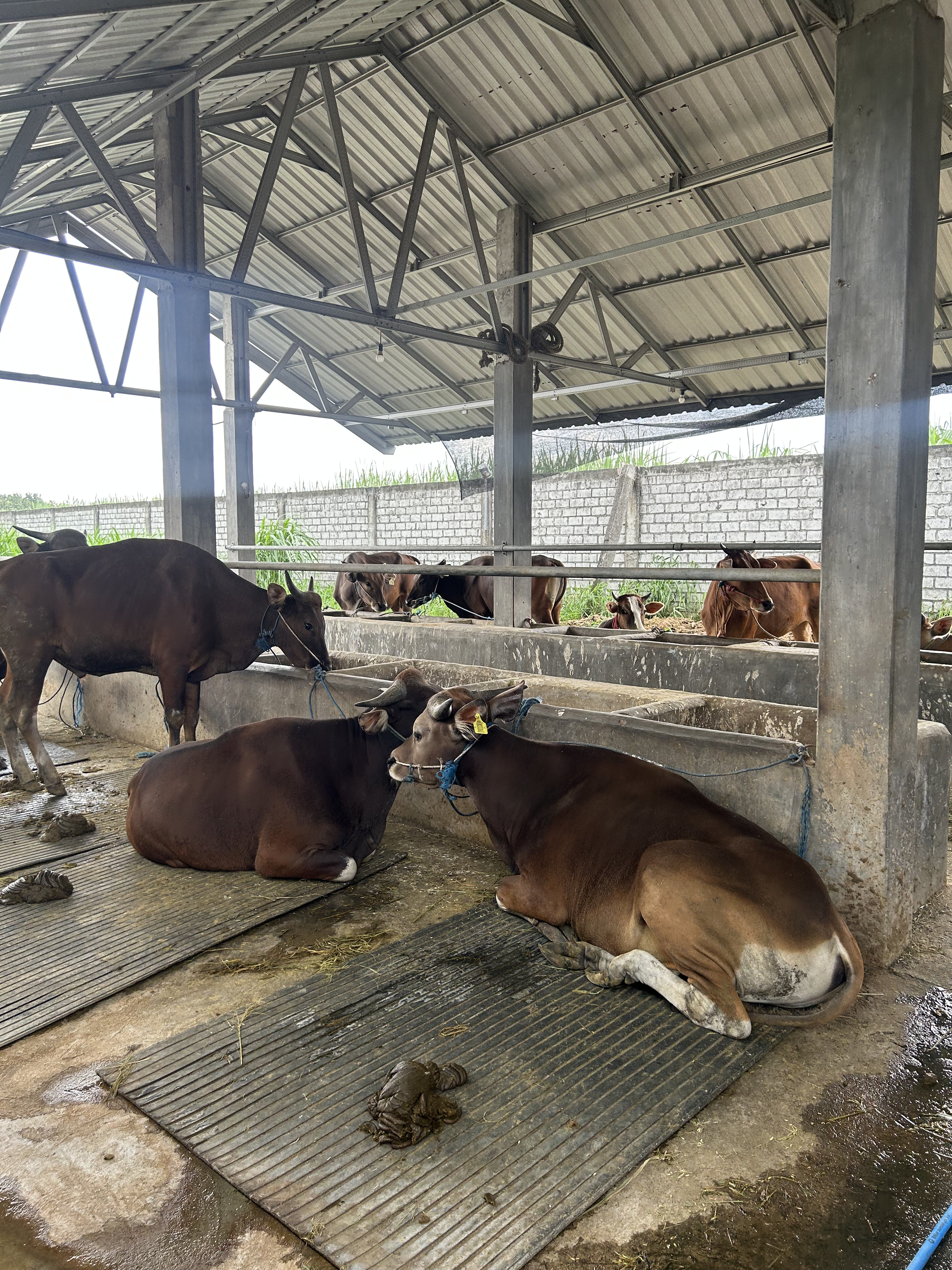
Does Your Cage Smell Quickly? Here Are the Causes and How to Fix It
A smelly pen is often considered normal, but it can actually reduce livestock performance. The pungent odor usually comes from ammonia gas caused by urine settling on the floor surface.This problem often occurs in sheds with poor drainage and floors that absorb liquids.Causes of Smelly Cow ShedsSome of the main factors:- The drainage system is not running smoothly- The floor of the cage has no slope- Urine absorbent surface- Cleaning is not optimal- Poor ventilationA humid environment promotes bacterial growth and increases ammonia levels. If left untreated, cows can experience mild respiratory distress and environmental stress.Impact on ProductivityCows living in pens with poor air quality tend to:- Decreased appetite- Easily stressed- Prone to nail infections- Suboptimal growthThe long-term solution is not just cleaning more often, but improving the system.modern cow shed floor which does not absorb liquid and supports drainage flow.A clean and odor-free cow shed creates a healthier working environment while increasing the efficiency of the livestock business.A dry, odor-free pen significantly impacts the cows' comfort and appetite. A floor system that doesn't absorb liquids and is easy to clean, such asPredator Cow Carpet, cage hygiene management becomes more efficient and the risk of ammonia odor can be significantly reduced. It's time to switch to a more modern and hygienic cage system.
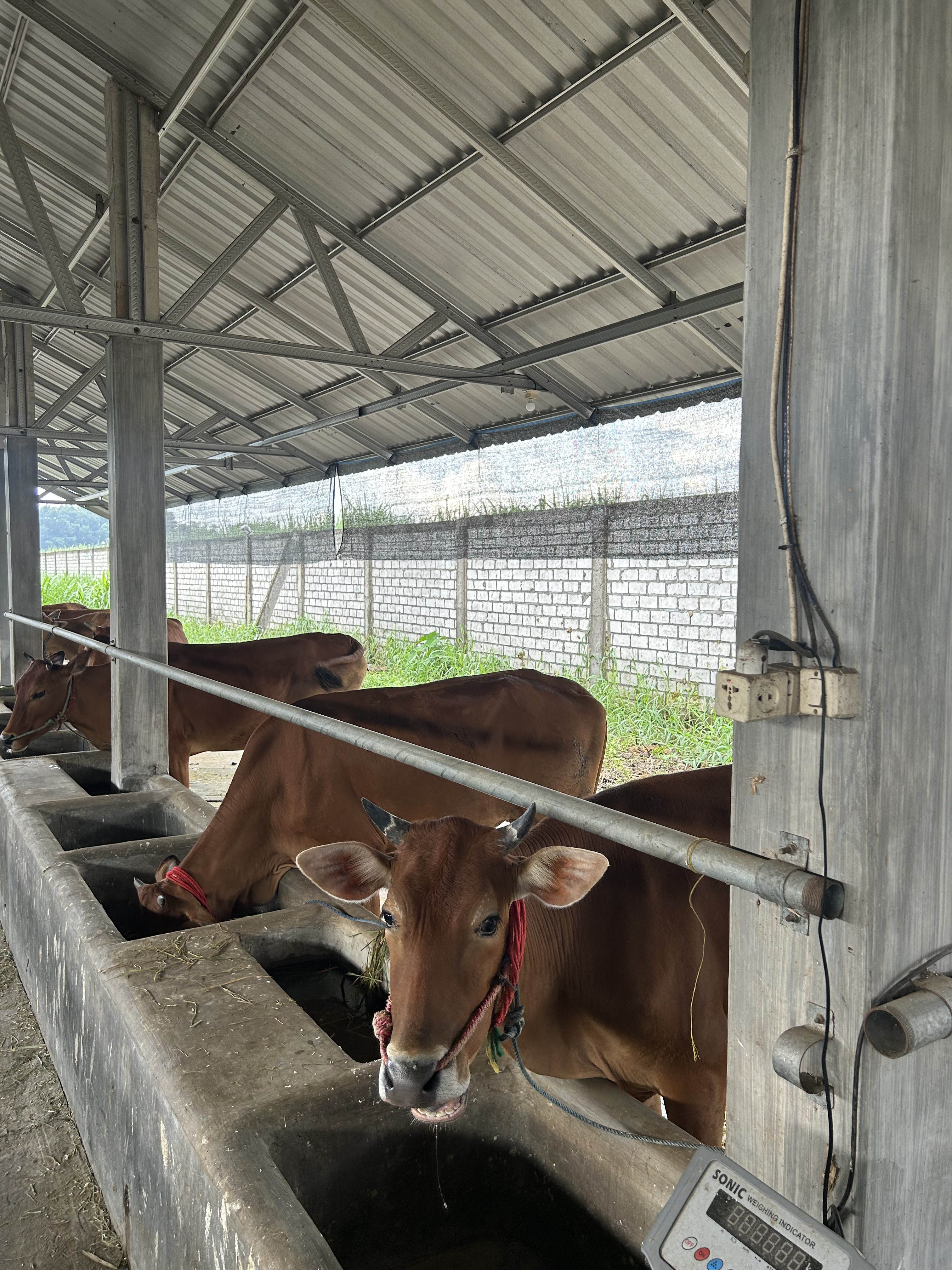
Rainy Season and the Challenges of Modern Cow Sheds
The rainy season brings great risks for beef cattle. High humidity can worsen floor conditions and increase the risk of nail disease.Common Problems During the Rainy Season- Wet floor- Puddle- The smell increases- The cow is reluctant to lie down- Risk of nail infectionFloors that are too cold and wet make cows uncomfortable. As a result, they rest less and stress increases.How to Anticipate- Make sure the floor slope is sufficient- Use a flooring system that does not absorb water- Repair the drainage channels- Increase the frequency of cleaningModern cattle housing systems must be able to adapt to seasonal changes. Investing in the right flooring structure helps maintain stable productivity throughout the year.When the rainy season arrives, humidity and the risk of muddy floors increase.Predator Cow CarpetIt's designed to resist water absorption, remain stable in wet conditions, and help keep cattle secure. Ensure your barn is ready for the rainy season without compromising livestock comfort and productivity.

Lameness in Cows Is Not a Trivial Problem: Here's How It Impacts Farmers' Profits
Many farmers consider lameness in cattle to be a minor problem that will resolve itself. However, a single cow with leg problems can cause significant losses, both directly and indirectly.The problem is, limping cows often appear due to less than ideal conditions in the pen, especially the floor.Decreased Appetite and Body WeightLame cows tend to be more sedentary and move less. Eating activity can also be disrupted due to discomfort from prolonged standing.As a result, growth slows and target body weights are not achieved as planned. In a fattening system, delayed harvesting means additional feed and operational costs.Risk of Infection and Treatment CostsLeg wounds can develop into infections if the barn environment is damp and unhygienic. Treatment requires additional costs, not to mention the risk of the cow not being able to be sold at an optimal price.It all starts with unstable footing, slippery floors, or surfaces that are too hard.Prevention is Cheaper than CureEnsuring the cow barn floor is safe and comfortable is the most logical preventative measure. A non-slip and softer flooring system can reduce pressure on the feet.Predator cow mats help create more stable footing so the risk of limping cows can be reduced from the start.ConclusionLameness in cattle is not just a health issue, but also a threat to business profits. Improving housing systems is a strategic step to maintain stable productivity.
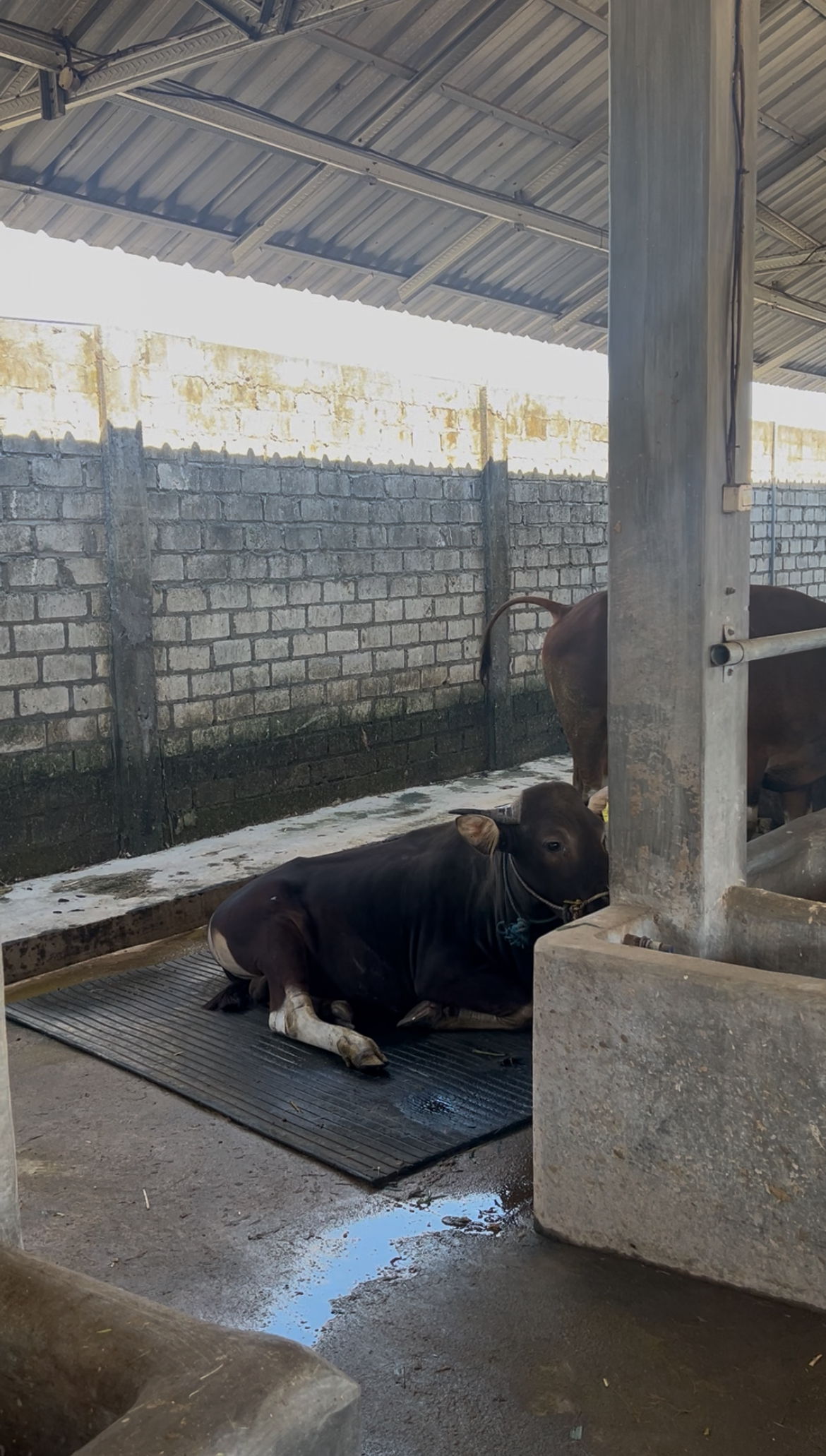
Hidden Costs of Lame Cows in the Pen
Lameness in cattle is a serious problem in fattening farms. Many farmers only realize the damage after the condition has become severe. However, the underlying cause often stems from the system.suboptimal cow shed floor.Causes of Lameness in Cows- Surface is too hard- Slippery floor- Excessive pressure on the joints- Unstable nails- Humid environmentLarge cattle are particularly susceptible to floor pressure. Without cushioning, joints can slowly become inflamed.Losses Incurred- Daily weight gain decreased- Reduced feed consumption- Medical costs are increasing- Risk of secondary infection- The selling price of cattle has fallen drasticallyIn a 3-month fattening period, a 0.3 kg per day decrease in growth can mean a loss of tens of kilograms in final weight.Lameness in cattle is not only a health issue, but also a serious threat to profits. Using a flooring system with high damping and stability, such as Predator Cow Carpet helps reduce excessive pressure on the cow's joints and hooves. Early prevention is far more cost-effective than treatment costs and potential reduction in market value.Preventing lameness in cattle through a comfortable housing system is much more economical than treating it.
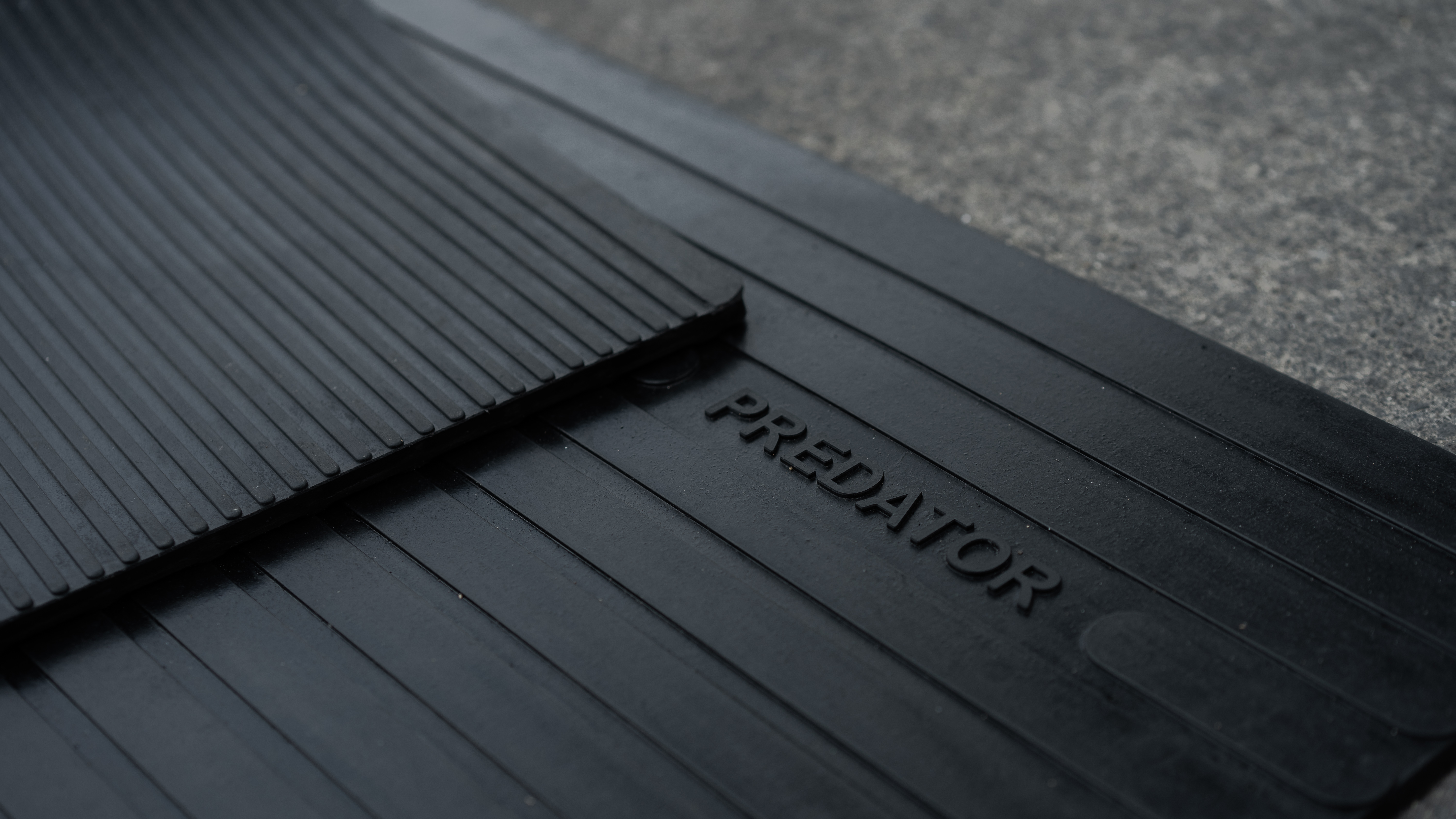
Premium Cow Shed Carpet: A Comfortable Solution for Healthier and More Productive Cows
What is a Cow Shed Carpet?Cow stall mats are special mats made from high-quality rubber used to improve comfort and hygiene inside the stall. These products are designed to reduce the risk of injury, maintain hygiene, and improve overall livestock performance.Benefits of Cow Shed Carpets for Farmers1. Improve Cow HealthThe soft carpet surface helps reduce pressure on the cow's feet, thereby minimizing the risk of injuries and foot diseases such as lameness.2. Cleaner and More Hygienic CagesRubber carpets do not absorb dirt, so they are easier to clean than regular cement floors.3. Reducing Stress in LivestockComfortable cows will be calmer, less stressed, and have a direct impact on increasing the weight and quality of production.4. More Durable and Long LastingPremium carpets have high resistance to heavy pressure and humid cage conditions.Why Should You Use Cow Shed Carpets Directly from Manufacturers?Buying directly from the manufacturer offers many advantages:- More affordable prices without intermediaries- Quality assured with strict QC process- Can customize the size according to cage needs- Direct consultation support from expertsCharacteristics of Quality Cow Shed CarpetsBefore purchasing, make sure the carpet has the following specifications:- Ideal thickness (12mm, 14mm, up to 16mm)- Anti-slip surface (not slippery)- Not easy to crack or break- Elastic yet strong- Resistant to water and cage wasteComparison of Cow Carpet ThicknessChoosing the thickness of the cow shed carpet is very important because it directly affects the comfort and durability of use.Carpet with thickness 12mm It's usually the most economical option. It's suitable for small-scale farms or for farmers just starting to invest in comfortable housing.Meanwhile, the thickness 14mm It offers a balance between price and quality. This type is widely used by medium-scale livestock farmers because it is soft, strong, and durable enough for daily use.For maximum needs, carpet with thickness 16mm is the best choice. This carpet is softer, more resistant to heavy pressure, and is ideal for intensive farming where cow comfort and long-term durability are paramount.The Impact of Carpet Use on Cattle ProductivityMany farmers are beginning to realize that the comfort of their pens significantly impacts livestock production. By using carpets:- Cows rest more often- Increased appetite- More optimal growth- The risk of loss due to injury is reducedConclusionCow barn carpeting is not just an accessory, but a crucial investment in improving the quality of livestock farming. By choosing the right product, farmers can improve efficiency, livestock health, and long-term profitability.
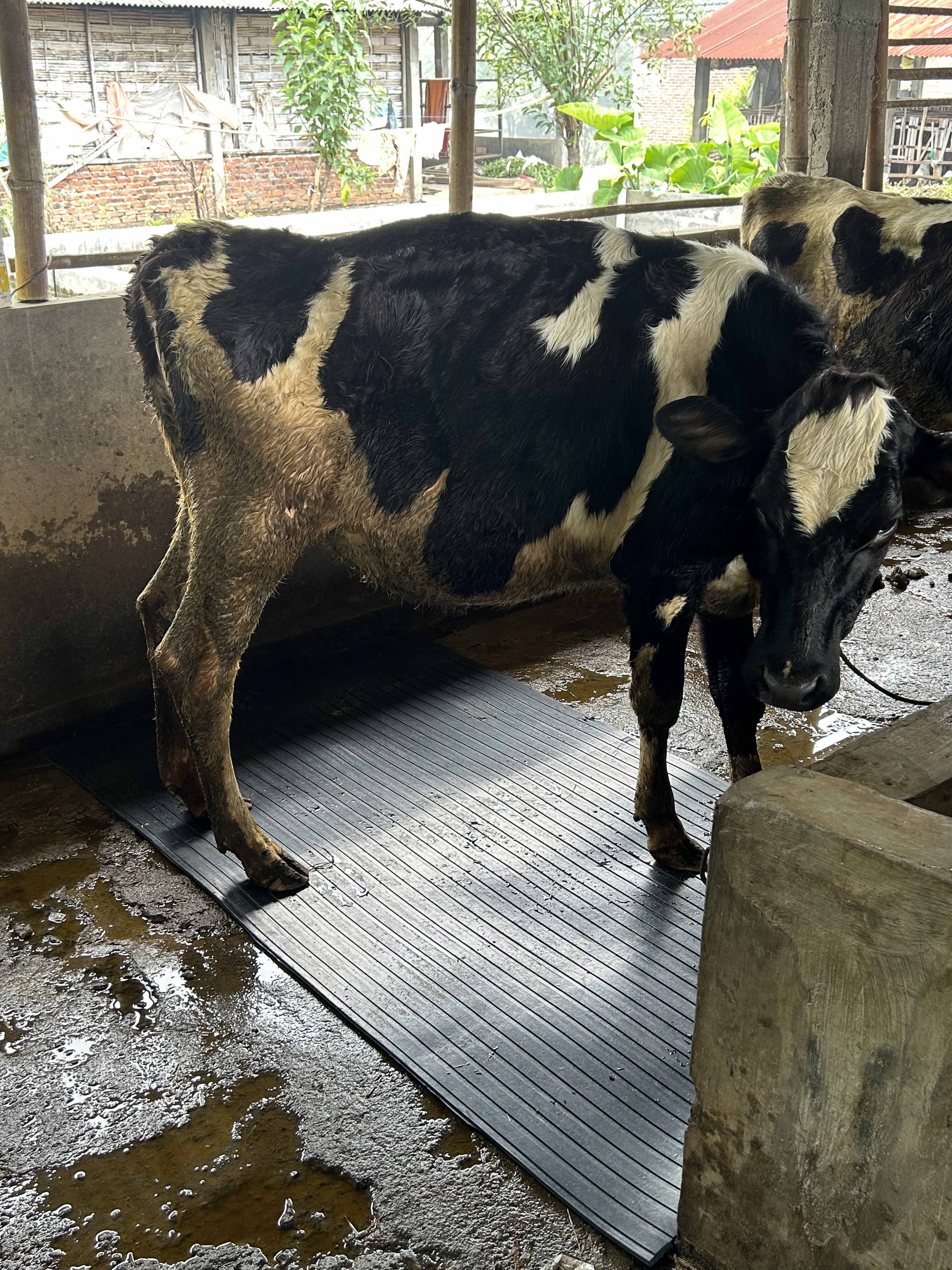
The Importance of Bedding in Cattle Farming: Not Just an Ordinary Floor
Many people still assume that a cement or dirt floor is sufficient for a cow shed. However, the condition of the bedding plays a significant role in the health, comfort, and productivity of livestock. In modern animal husbandry, the use of cow rug is starting to become the new standard because it has been proven to provide many benefits.Why is Cage Lining Important?Cows are animals that spend most of their time standing and lying down. If the bedding in the pen is too hard, slippery, or damp, this can directly impact the cow's physical condition.Some of the risks of non-ideal bedding include:- Wounds on the feet and joints- Cows slip easily- Stress due to discomfort- Decreased appetite- Decreased productivityThis is the reason why choosing a cage base should not be taken lightly.The Impact of Uncomfortable CagesUncomfortable housing often causes problems that farmers don't realize they're experiencing. For example, cows may appear healthy but grow slowly, or milk production may not be optimal.This can happen because:- Excessive pressure on the cow's feet- Wet and dirty cage environment- Lack of comfort during restIn the long term, this condition can increase treatment costs because cows are more susceptible to disease.Modern Solution: Cow RugAs a solution, many farmers have begun using cow carpets as bedding for pens. These carpets are specially designed to provide comfort and safety for livestock.Some of the main functions of cow rugs:- Reduce pressure on the cow's legs- Provides a more stable surface (not slippery)- Keeping the cage drier- Helping cows rest more comfortablyWith better barn conditions, cows tend to be healthier and more productive.Understanding Cow Carpet ThicknessNot all cow rugs have the same specifications. Thickness is an important factor to understand:- 12 mm→ suitable for standard use- 14 mm→ more comfortable for medium to large weight cattle- 16 mm→ the best choice for maximum comfort and high durabilityThe thicker the carpet, the better it is at absorbing pressure and providing comfort.Education for Farmers: An Investment, Not an ExpenseMany farmers still consider using cow mats an additional expense. However, when viewed from a long-term perspective, it's an investment.With a good cage base:- Reduced risk of injury- Medical costs can be reduced- More optimal cattle growth- Increased productivityThis means that initial expenses can be returned in the form of greater profits.ConclusionThe quality of bedding in a livestock farm significantly impacts the success of a livestock business. Using cow mats is not only about comfort, but also about maintaining livestock health and increasing production.A successful farm is one that pays attention to the small details—because that's where the big results come from.
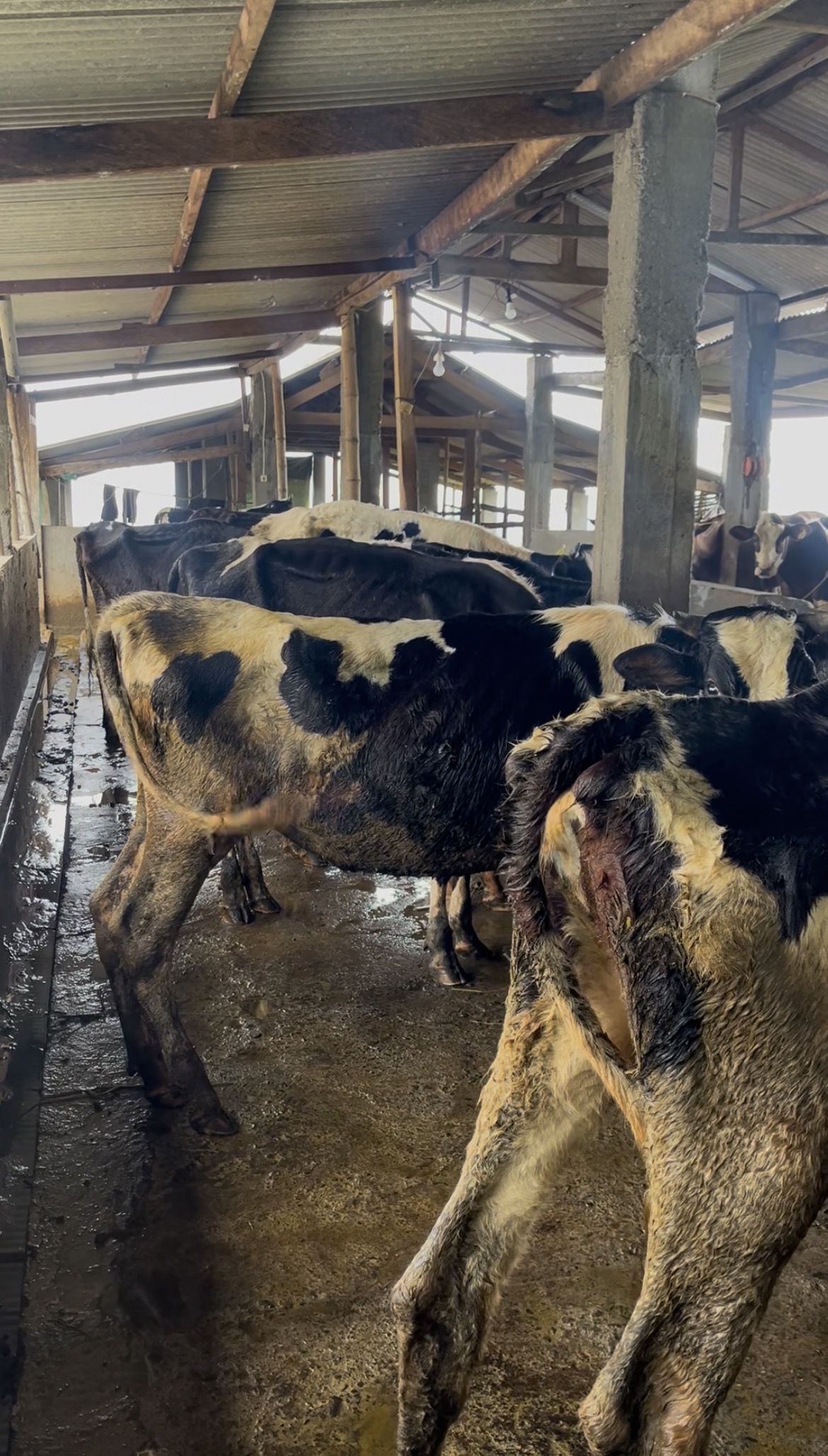
A Commonly Overlooked Breeder Mistake: Cage Floors That Are Too Slippery
Many farmers focus on cattle feed and health, but often forget about the condition of the barn floor. However, floors that are too slippery can be a major cause of stress, injury, and even difficulty standing comfortably.Therefore, the use of cow shed rubber carpet started to become the choice of many modern breeders to improve the safety and comfort of livestock.The Impact of Slippery Cage FloorsCattle are heavy animals that require stable footing every day. Slippery stall floors increase the risk of slipping, especially when the stall area is wet or contaminated with manure.This condition can cause:- Wounds on cow's legs- The cow had difficulty standing.- Decreased appetite- Stress in livestock- Cow activity becomes uncomfortableIn the long term, poor cage conditions can also affect livestock productivity.Solution with Anti-Slip Cow CarpetOne of the solutions that is widely used today is the installationanti-slip cow carpet.Rubber mats help create a more stable and comfortable footing for cows.Besides reducing the risk of slipping, rubber mats also help reduce pressure on cows' feet when standing for too long.Advantages of Rubber Carpets for CagesHere are some reasons why many farmers are starting to use cow shed carpet:1. Safer Surfaces The anti-slip texture helps cows move more stably in the pen.2. More Comfortable for Livestock The rubber material feels softer than regular cement floors.3. Durable and Strong Quality carpets have high resistance to heavy loads.4. Easy to Clean Cage maintenance becomes more practical and efficient.5. Suitable for Various Types of Cages Can be used for beef cattle and dairy cattle pens.Small Investment for Big ImpactSome farmers still consider cow mats a mere addition. However, comfortable barn facilities can help maintain optimal livestock conditions.Use quality cowhide rubber carpetIt's not just about comfort, but also a step towards creating a safer, more modern and more efficient livestock system.
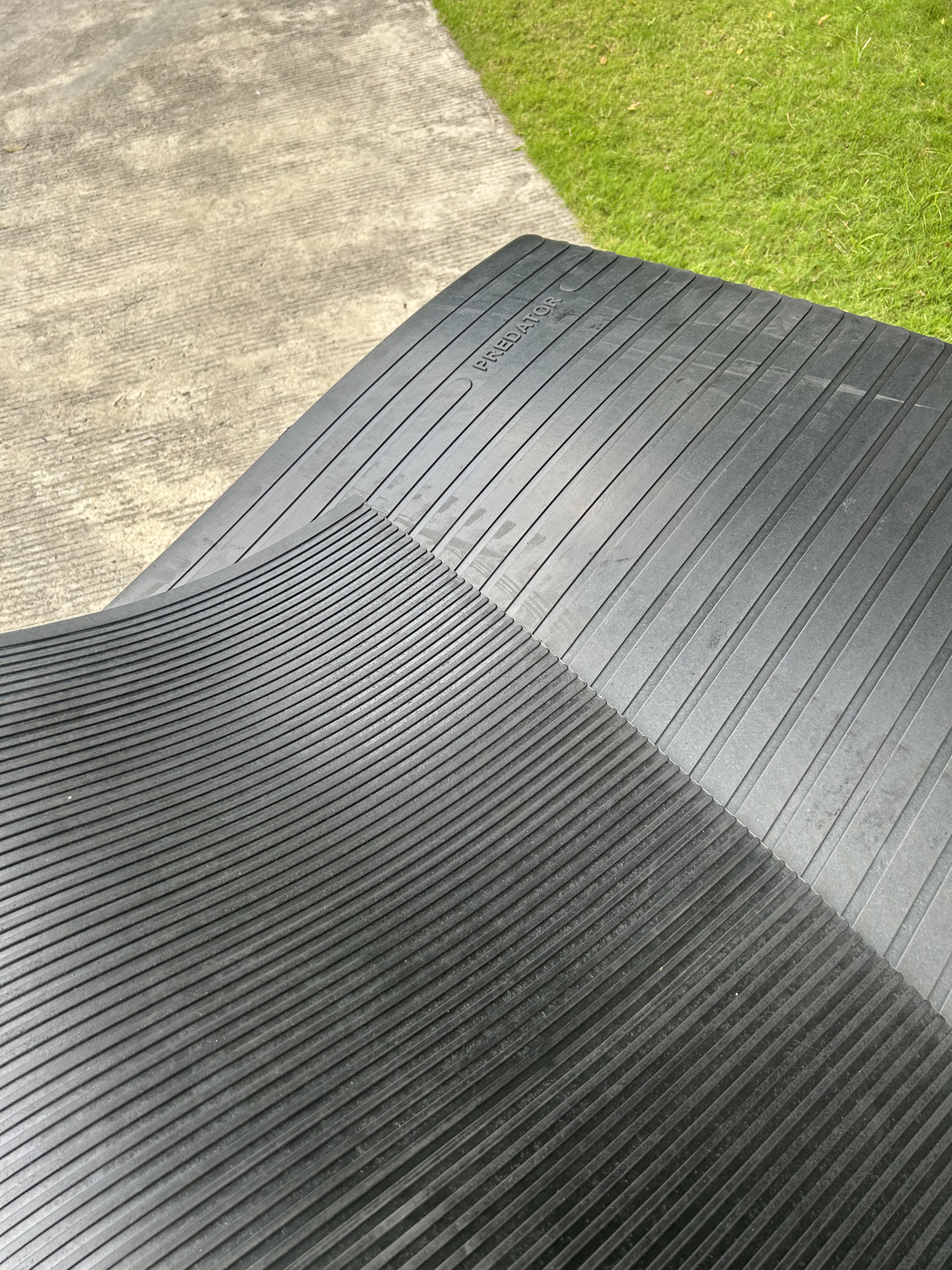
Thick vs Thin Cow Carpet: Which is Better for a Barn?
When choosing cow shed carpet many breeders focus solely on price. However, carpet thickness also significantly determines comfort and durability in the enclosure.Carpets that are too thin tend to wear out more quickly, tear easily, and are less comfortable for cows to walk on. Thick cow hide carpet has better durability for long-term use.Why is Carpet Thickness Important?Cows are heavy and engage in high levels of daily activity within their pens. Using low-quality or too thin carpet will cause the surface to wear out more quickly due to constant pressure.Therefore, many breeders are now starting to choose rubber cow carpet to make it more durable and comfortable to use.The Difference Between Thick and Thin Cow CarpetsThin Cow CarpetThin carpets are usually cheaper, but tend to be less durable.Disadvantages of thin carpets:- Breaks down faster- Easy to tear- Less comfortable for cows- Cannot withstand heavy useThick Cow CarpetThick carpets are designed for long-term use and are stronger to withstand the weight of cows.Its advantages:- More durable- Anti slip- Softer footing- Suitable for intensive cages- Helps improve livestock comfortTips for Choosing Quality Cow Shed CarpetsBefore purchasing, make sure you pay attention to the following things:- Choose quality rubber material- Use a non-slip surface- Adjust the thickness to the cage requirements- Make sure the carpet is not easily torn- Choose the size that fits the cage areaDon't be tempted by low prices. Quality carpets do cost more upfront, but they're more economical in the long run because they don't need to be replaced as often.Solutions for a More Comfortable CageUsageanti-slip rubber cow carpetis a practical solution for modern livestock farming. Besides helping to keep cows safe, quality carpets also make the barn look neater and more professional.By choosing the right carpet, farmers can create a safer, more comfortable, and more durable barn environment to support livestock productivity.
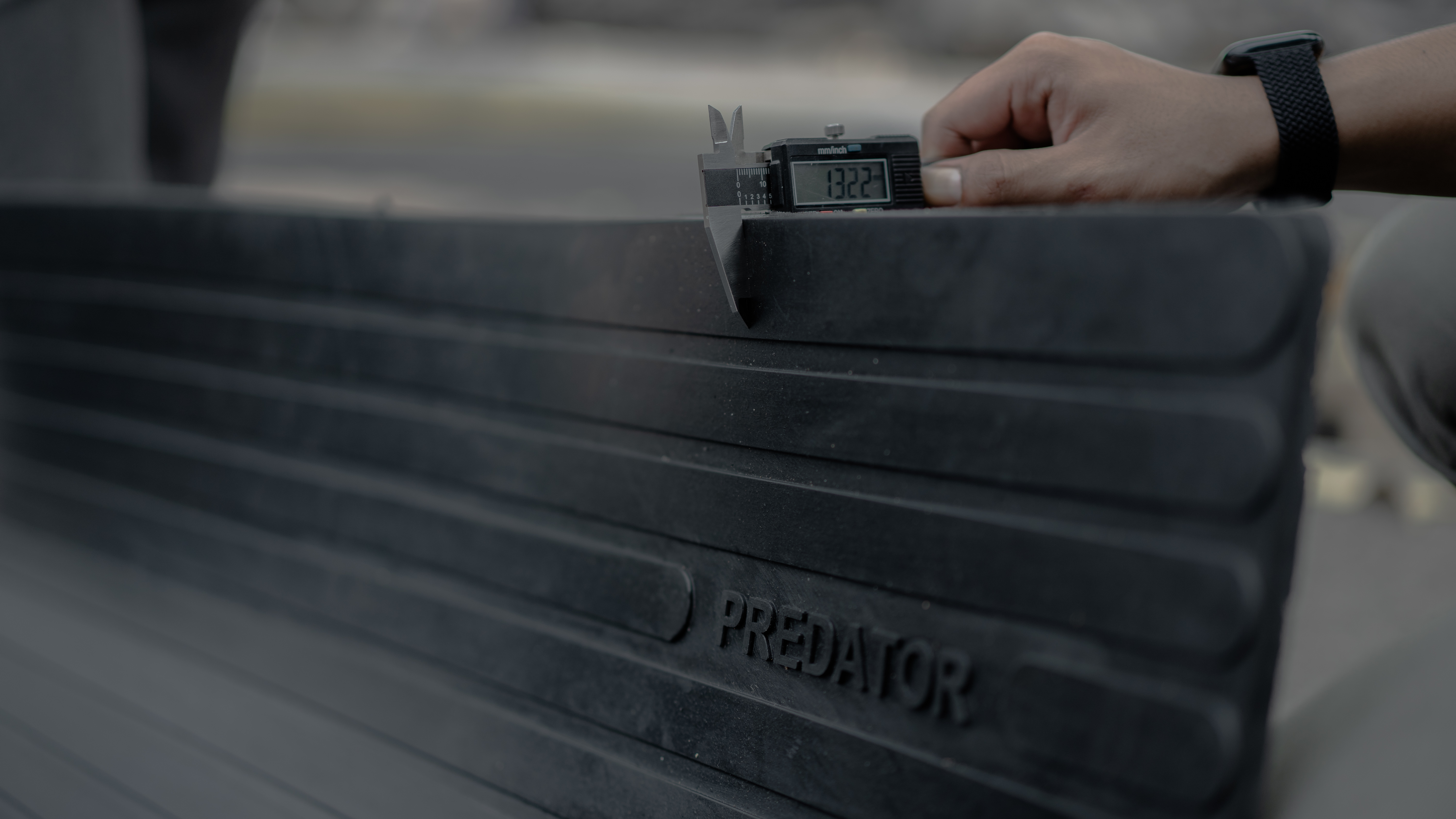
Quality Cow Shed Carpets for Modern Farms | Predator Rubber
In modern animal husbandry, the comfort and safety of cattle are crucial factors in increasing productivity. One solution now widely used by farmers is the use of high-quality cow pen carpets. Predator offers the best cow pen carpets, specifically designed to help create safer, more comfortable, and more durable pens.Why are Cow Shed Carpets Important?Many farmers still use plain, slippery, and hard concrete floors. However, this condition can easily cause cows to slip, suffer injuries, and even cause stress. If left untreated, it can even reduce their productivity.By using Predator cow shed carpet, the shed floor becomes more comfortable and safe for the livestock's daily activities.Benefits of Predator Cow Shed Carpets1. Reduce the risk of slippingThe carpet's surface is designed to be slip-resistant, helping cows stand and walk more steadily. This minimizes the risk of injury from slipping.2. More Comfortable for CowsHigh-quality rubber material helps reduce pressure on the cow's legs, making them more comfortable when standing or resting.3. Easy to CleanPredator cow pen carpets are easy to wash and don't absorb excess dirt, making pen cleaning more convenient and efficient.4. Durable and StrongUsing high-quality rubber material, the Predator carpet has good durability for long-term use.5. Helps Livestock ProductivityA comfortable pen can help maintain good cow health. Comfortable cows tend to have a more consistent appetite and productivity.Predator, a Quality Cow Shed Carpet SolutionPredator offers a variety of sizes and thicknesses of cow barn carpets to meet farm needs. Suitable for both dairy and beef cattle farms.Predator products have been used by numerous breeders, distributors, and livestock agencies in various regions. With guaranteed quality, Predator is ready to help create more modern and safe cages.Tips for Choosing Cow Shed CarpetsBefore buying a cow shed carpet, there are several things you need to pay attention to:- Choose rubber material that is strong and not easily torn.- Make sure the surface is non-slip- Adjust the thickness to the cage requirements- Choose products that are easy to clean- Prioritize quality for long-term useConclusionCow barn carpet isn't just a barn accessory, but a crucial investment for the comfort and safety of your livestock. By choosing Predator cow barn carpet, farmers can create a better, safer, and more durable barn environment.If you are looking for quality cow shed carpet, Predator is ready to be the best solution for your livestock needs.

Cows Often Slip? Don't Take It Lightly
Many farmers focus on feed and vitamins, but forget one crucial aspect: the condition of the barn floor. Slippery floors can be a major cause of cow stress, injury, and even loss of productivity.Why Do Cows Slip Easily?Wet, hard, and slippery barn floors make it difficult for cows to walk. This is especially true given their heavy body weight. One slip can have serious consequences:- Sore or swollen feet- Difficulty standing- Decreased appetite- Milk production or weight also decreases- Increased risk of infectionMany cases of cows appear healthy at first, but after being injured by slipping, their condition slowly declines.Impacts That Farmers Often Don't RealizeInjuries to cattle aren't just physical. Cows in pain are more prone to stress. As stress increases, productivity suffers.In dairy cows, milk production can decrease. Meanwhile, in fattening cows, weight gain slows because the cows are less likely to move and eat.Losses like this often come slowly so that many farmers are unaware that the source of the problem comes from the floor of the cage.A Simple Solution That Is Starting to Become Widely UsedNowadays, many farmers are starting to use cow shed carpets as additional flooring to help reduce slipperiness on the floor.Cage carpets help:- Reducing the risk of cows slipping- Makes the footing more comfortable- Reduce pressure on the cow's legs- Helping to keep the barn clean- Make the cage more durable and neatA comfortable cage does not mean luxurious, but safe for livestock every day.Modern Farmers Begin to Prioritize Livestock ComfortModern animal husbandry focuses not only on livestock numbers but also on the comfort and health of the cows. Comfortable cows tend to be healthier and more productive.Small things like repairing the floor of the cage often have a big impact in the long run.ConclusionCow slips are no small matter. A minor injury can escalate into a major loss if not prevented early. Therefore, it's crucial for farmers to pay attention to the condition of their pens, especially the floor, which is used daily.A safe and comfortable pen helps maintain cow health, increases productivity, and optimizes livestock farming efforts.
Tidak Ditemukan
Tidak ada artikel yang sesuai dengan pencarian Anda. Coba kata kunci yang berbeda.