Predator Rubber Team
Our expert team is dedicated to providing quality information about livestock farming and animal welfare.
Related Articles
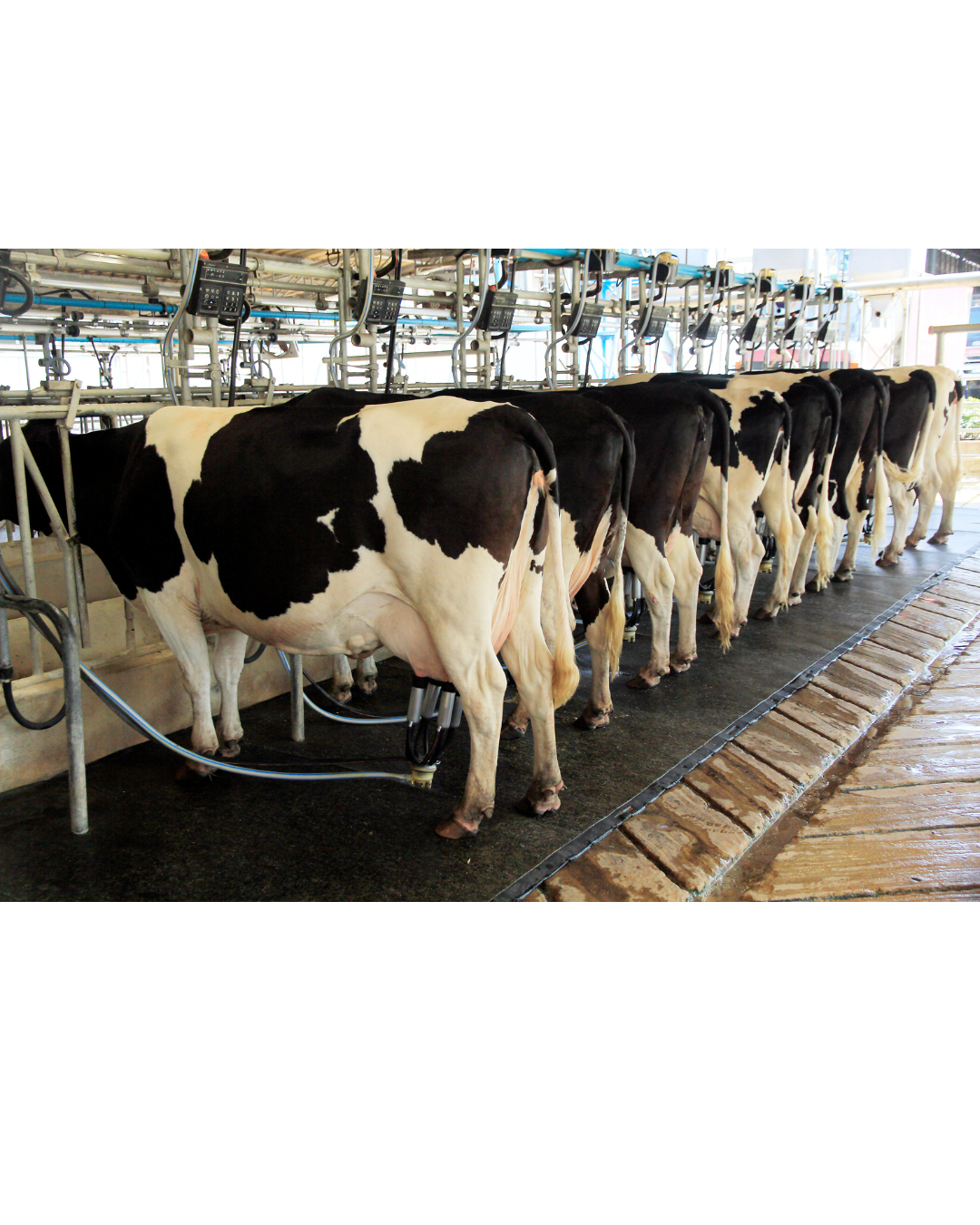
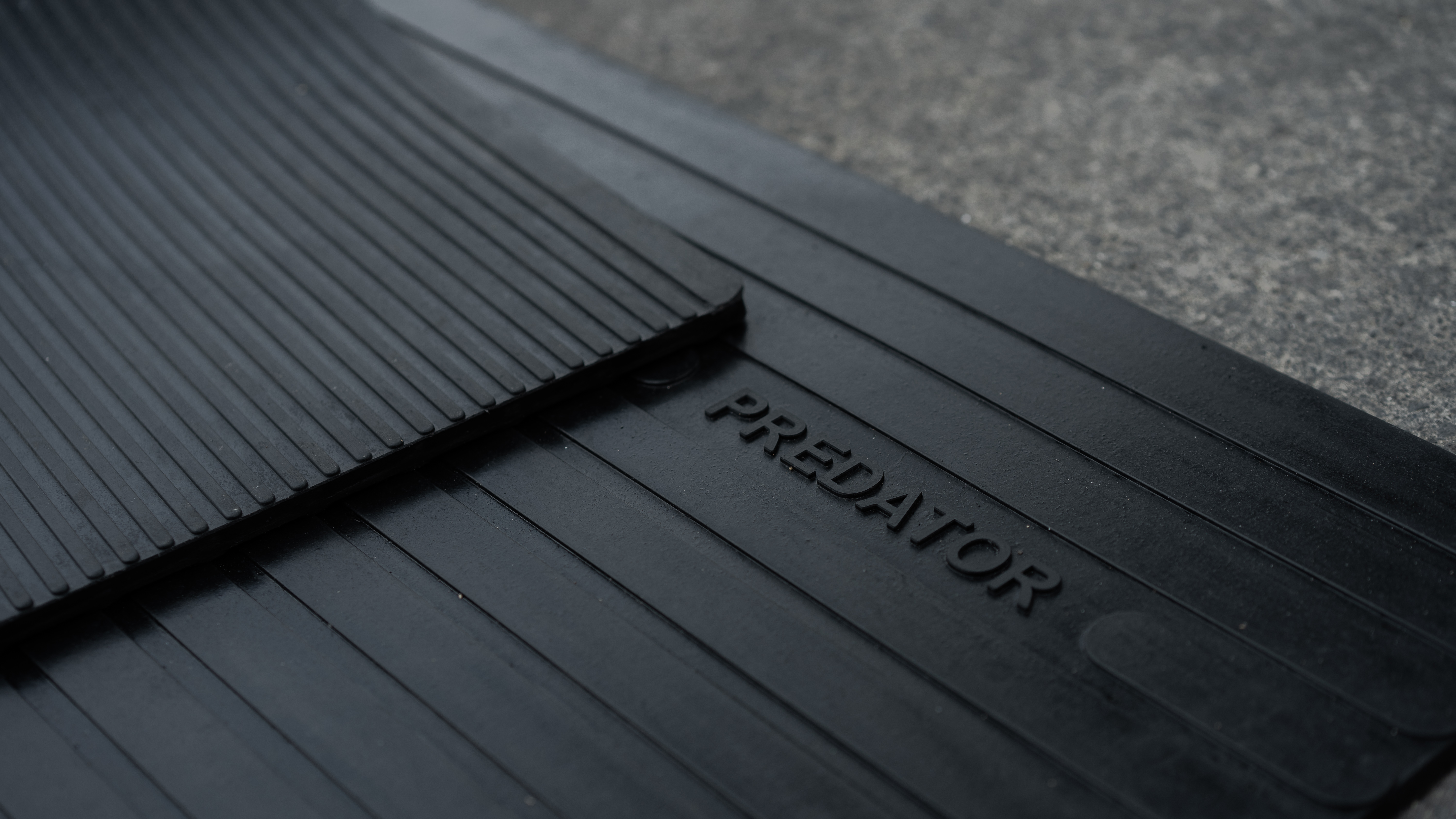
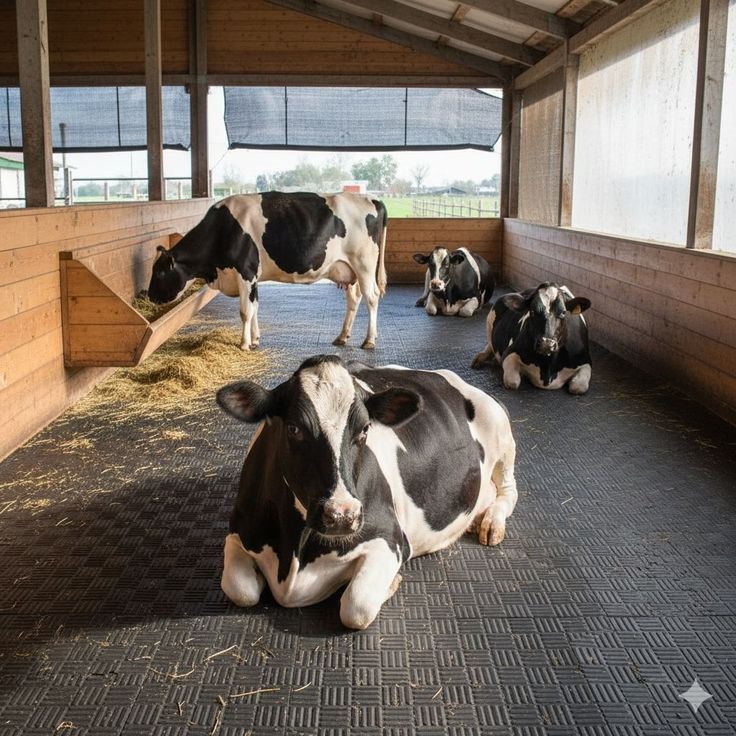
Premium Cow Shed Carpet: A Comfortable Solution for Healthier and More Productive Cows
What is a Cow Shed Carpet?Cow stall mats are special mats made from high-quality rubber used to improve comfort and hygiene inside the stall. These products are designed to reduce the risk of injury, maintain hygiene, and improve overall livestock performance.Benefits of Cow Shed Carpets for Farmers1. Improve Cow HealthThe soft carpet surface helps reduce pressure on the cow's feet, thereby minimizing the risk of injuries and foot diseases such as lameness.2. Cleaner and More Hygienic CagesRubber carpets do not absorb dirt, so they are easier to clean than regular cement floors.3. Reducing Stress in LivestockComfortable cows will be calmer, less stressed, and have a direct impact on increasing the weight and quality of production.4. More Durable and Long LastingPremium carpets have high resistance to heavy pressure and humid cage conditions.Why Should You Use Cow Shed Carpets Directly from Manufacturers?Buying directly from the manufacturer offers many advantages:- More affordable prices without intermediaries- Quality assured with strict QC process- Can customize the size according to cage needs- Direct consultation support from expertsCharacteristics of Quality Cow Shed CarpetsBefore purchasing, make sure the carpet has the following specifications:- Ideal thickness (12mm, 14mm, up to 16mm)- Anti-slip surface (not slippery)- Not easy to crack or break- Elastic yet strong- Resistant to water and cage wasteComparison of Cow Carpet ThicknessChoosing the thickness of the cow shed carpet is very important because it directly affects the comfort and durability of use.Carpet with thickness 12mm It's usually the most economical option. It's suitable for small-scale farms or for farmers just starting to invest in comfortable housing.Meanwhile, the thickness 14mm It offers a balance between price and quality. This type is widely used by medium-scale livestock farmers because it is soft, strong, and durable enough for daily use.For maximum needs, carpet with thickness 16mm is the best choice. This carpet is softer, more resistant to heavy pressure, and is ideal for intensive farming where cow comfort and long-term durability are paramount.The Impact of Carpet Use on Cattle ProductivityMany farmers are beginning to realize that the comfort of their pens significantly impacts livestock production. By using carpets:- Cows rest more often- Increased appetite- More optimal growth- The risk of loss due to injury is reducedConclusionCow barn carpeting is not just an accessory, but a crucial investment in improving the quality of livestock farming. By choosing the right product, farmers can improve efficiency, livestock health, and long-term profitability.
Read More
How to Maintain Ideal Body Condition Score (BCS) in Cattle Throughout the Year
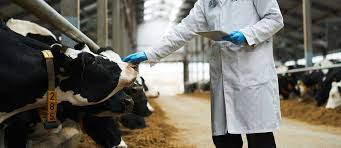
Body Condition Score (BCS) is an important indicator used to evaluate a cow’s body condition based on its fat reserves. Maintaining an ideal BCS plays a crucial role in supporting milk productivity, reproductive performance, and overall health of dairy cattle. Seasonal changes, feed availability, and environmental conditions often become challenges in keeping BCS stable throughout the year.A BCS that is too low can lead to reduced milk yield, reproductive problems, and increased susceptibility to disease due to energy deficiency. On the other hand, an excessively high BCS may cause metabolic disorders and decrease production efficiency. Therefore, maintaining BCS within the ideal range, generally between 2.75 - 3.25, is a key objective in dairy herd management.Balanced feeding management is the main factor in controlling BCS. Rations should be adjusted according to the cow’s physiological stage, such as early lactation, peak lactation, and the dry period, to ensure adequate energy and nutrient intake. Proper feed adjustments help prevent rapid and extreme fluctuations in body condition.In addition to nutrition, regular BCS monitoring and proper housing management also play an important role. Clean housing, adequate ventilation, and effective heat stress control help maintain feed intake and cow comfort. With an integrated management approach, ideal BCS can be maintained year-round, supporting consistent productivity and long-term sustainability of dairy farming operations.
Read More
The impact of high quality feed on dairy production and health
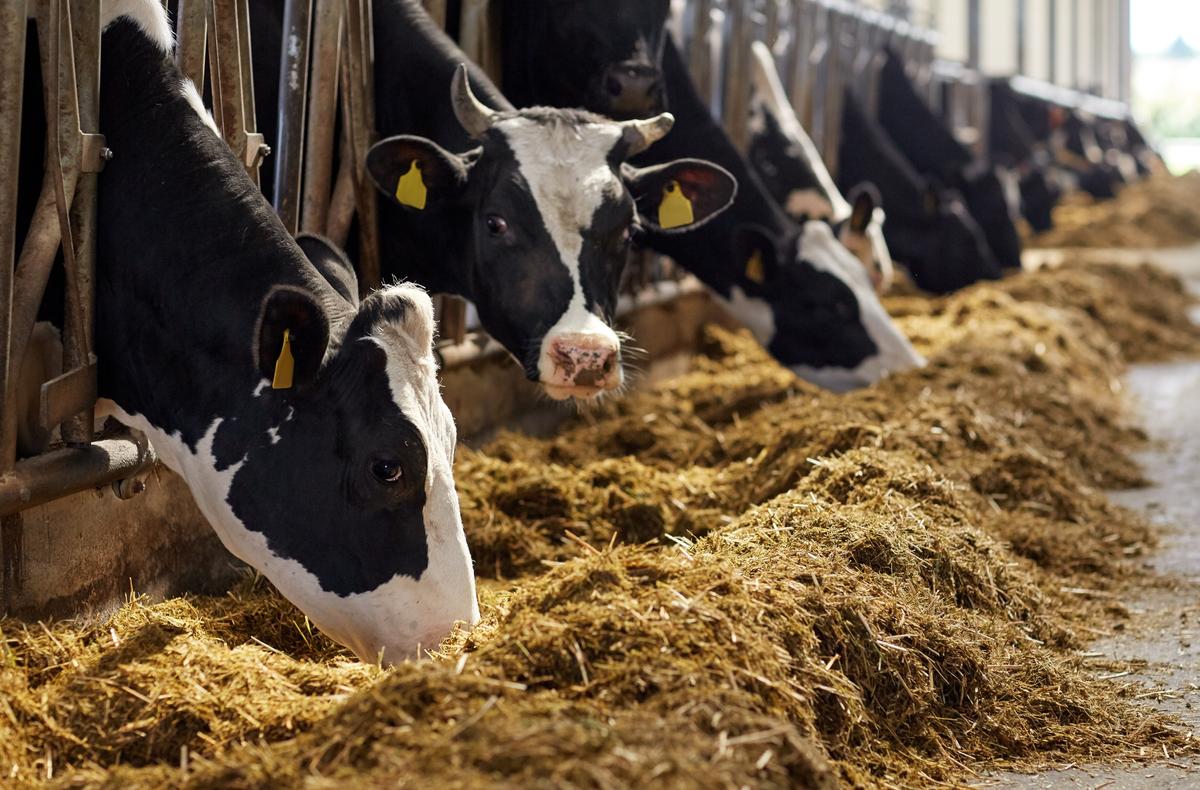
Proper and high quality cattle feed roughly contribute 60% - 70% of livestock budget, therefor it heavily implies its quality on dairy productivity. Dairy cow need balance energy, protein, fiber, vitamin, and mineral to ensure stability on dairy production. Data from ministry of agriculture and various livestock feed research center shows that refined quality forage, fermentation, and concentrate formulation could increase local dairy production over 15% - 30%. Well balancecd nutrition could also help prevent disease case such as masititis, ketosis, and reproduction interference.Aside from quality, forage consistency is also a crucial thing. Sudden shift in ration could disrup rumen microbe, lower appetite, and inflict SARA (Sub-Accute Ruminal Acidosis). Farm that properly upheld its feed quality have higher pregnancy rate on their cattle and promote longevity. Its not always about the cost nor budget on livestock feed, but its a major investmen that decide whether the farm is continuing its production or not at all.
Read More