Our expert team is dedicated to providing quality information about livestock farming and animal welfare.
Expert in Animal Welfare & Quality Products
Related Articles
The Impact of Barn Cleanliness on Milk Quality and Grading
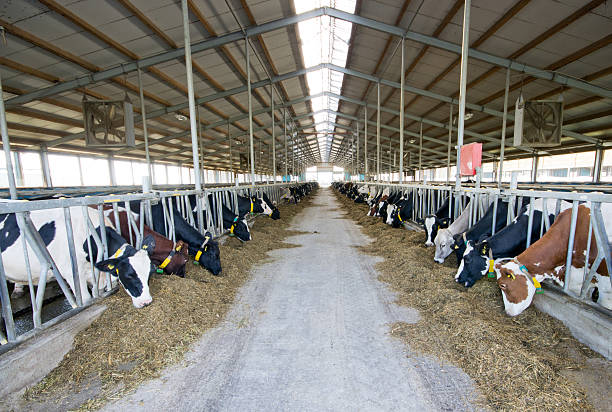
Barn cleanliness has a direct impact on the quality of milk produced by dairy cows. Dirty and humid barn environments increase exposure to pathogenic bacteria, particularly those originating from manure and urine. These conditions raise the risk of milk contamination during milking, increase the Total Plate Count (TPC), and elevate the likelihood of mastitis, which is one of the main causes of declining milk grades.Poor barn hygiene also affects cow comfort. Cows that frequently lie on wet or dirty floors are more prone to udder infections and skin lesions. As a result, milk quality declines, bacterial levels rise, and milk may be rejected or priced lower by dairy processors. FAO states that poor barn hygiene practices are directly correlated with higher incidences of both clinical and subclinical mastitis in dairy cows.Maintaining barn cleanliness does not have to be complicated. Regular cleaning, proper drainage systems, adequate ventilation, and the use of bedding that is easy to clean and remains dry can significantly reduce contamination risks. A clean barn supports healthier cows, better milk quality, and more consistent milk grades, ultimately having a direct impact on farmers’ income.
Eid al-Adha Preparations: Farmers' Strategies for Selling Cattle and Maximizing Prices
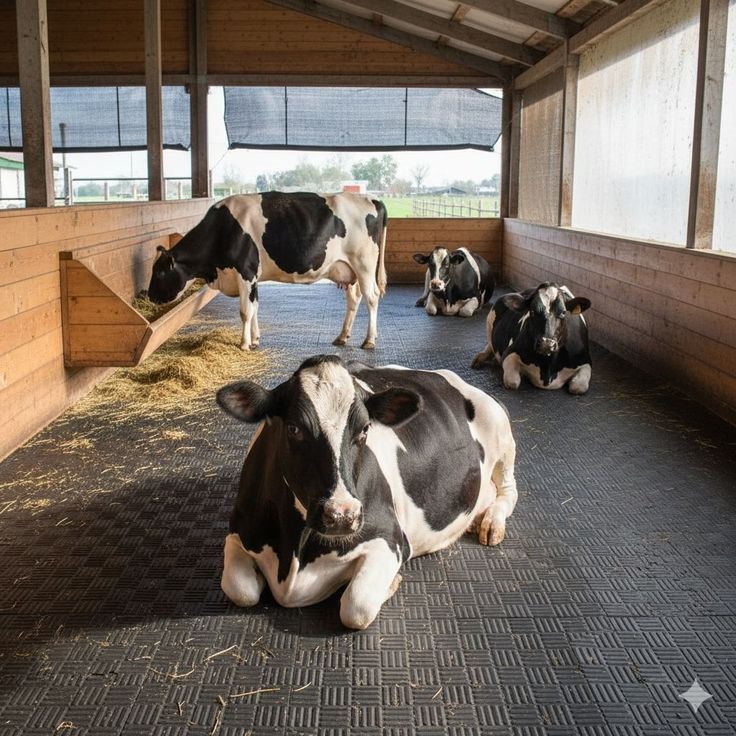
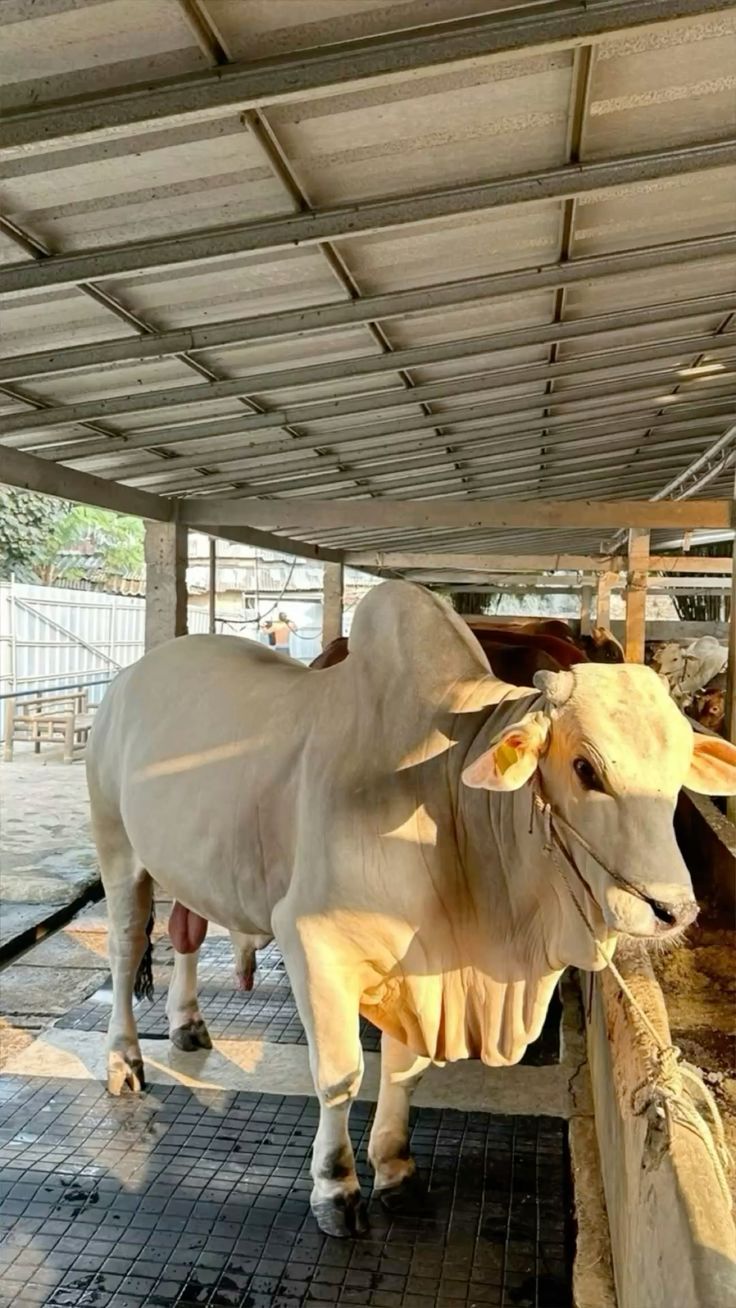
Eid al-Adha is a highly anticipated occasion for cattle breeders. Demand increases dramatically, prices tend to rise, and profit opportunities are plentiful. However, high demand also means fierce competition. Breeders who don't prepare thoroughly could miss out on this golden opportunity.In order for the cattle to be ready for sale and provide maximum results, preparations for Eid al-Adha must begin long before the big day.1. Ensure the cow's physical condition is optimal.As Eid al-Adha approaches, prospective buyers pay close attention to the physical condition of cattle. Body weight, posture, clean coat, and strong legs are key indicators of quality.Healthy and active cattle will sell more easily at a good price. Therefore, ensure stable feed management, adequate nutritional intake, and the absence of health problems that could hinder growth.Housing conditions also play a crucial role. Cows in comfortable housing tend to have lower stress levels and optimal growth.2. Pay attention to the health of your feet and nails.One common problem that arises before a sale is limping or leg problems. This condition can significantly reduce the selling price.Hard, slippery barn floors are a major cause of foot problems in cattle. Therefore, it's important to ensure cows shed floor safety and do not cause injury.Usage Predator cow rug this helps reduce pressure on the legs and creates a more stable footing. This reduces the risk of limping cattle approaching sale time.3. Maintain Cleanliness and Odor of the CagePotential buyers often come directly to the cages. A clean, odor-free cage creates a professional impression and increases trust.Excessive humidity can cause a strong odor and make the cows look poorly cared for. Ensure proper drainage and that the floor is not prone to flooding.A comfortable and dry pen not only improves the health of the cows, but also builds the image of a farmer who is serious about managing his business.4. Set a Sales Strategy EarlyBesides technical aspects, marketing strategy is also important. Start promoting early through social media, marketplaces, or established customer networks.Show photos and videos of cattle in their best condition. Active, clean, and upright cattle will be more appealing to potential buyers.5. Prepare the Cage for Activity SpikesAs Eid al-Adha approaches, activity in the barn increases. Many potential buyers arrive, reweighings are carried out, and cattle mobility is increased. Ensure the barn is secure and non-slip to reduce the risk of injury during this increased activity.A good housing system will help maintain the stability of the cow's condition until the day of delivery.Maximize the Momentum of Eid al-AdhaEid al-Adha isn't just about selling cattle, but also about maintaining quality right up until the final day. Farmers who focus on health, stable comfort, and marketing strategies will have a better chance of getting the maximum price.Predator supports Indonesian cattle farmers by providing comfortable and safe cattle housing solutions. With the right flooring system, cattle are healthier, more marketable, and more valuable.Start preparing for Eid al-Adha now. Success on this holiday depends on early preparation.
After Realizing the Mistake, Here Are Real Steps to Improve Your Cow Shed to Make It More Efficient
In the previous article, we discussed minor errors in the cow shed that seem trivial and can actually slowly drain a farmer's finances. From damp, slippery floors to pens that look clean but aren't truly comfortable for the cows. The question now is,What concrete steps can farmers take after realizing these mistakes?This article is a continuation and practical guide so that farmers do not stop at the "problem awareness" stage, but actually move on to solutions.Evaluation of the Pen from the Cow's PerspectiveThe first step that farmers often overlook is viewing the pen from the cow's perspective. Take a look at:- Do cows often stand and rarely lie down?- Does the floor feel cold, hard, or slippery when you walk on it?- Does the smell appear quickly even though the cage is cleaned regularly?If the answer is yes, it means the barn isn't fully supporting the cows' comfort. However, comfortable cows are calmer, healthier, and grow more efficiently.Focus on Repairs on the Cage FloorOf the various cage factors, the cow shed floor is the most crucial point. The floor, which comes into direct contact with the cows' feet and bodies, has a significant impact on the health of their hooves, joints, and stress levels.Repairing the floor doesn't always mean completely dismantling the barn. Many farmers are turning to practical solutions that can be implemented immediately without disrupting daily activities, such as adding a special padding to the cows' footing area.Reducing Costs the Smarter WayA common mistake farmers make is to continually increase downstream costs, such as medication and vitamins, without addressing the root of the problem. However, by improving housing conditions, the need for additional care can be minimized from the outset.This is why a comfortable cage is not an expense, but rather a long-term cost-saving toolThe lower the risk of injury and stress to cattle, the lower the unexpected costs.Cow Carpets as an Effective Transitional StepAs a continuation of the previous discussion, the use of Predator cow rug is one of the most realistic transition steps for farmers. Without the need for major renovations, the barn floor can be softer, less slippery, and easier to keep clean.Cow mats help create a more stable barn environment. Cows are more comfortable standing and lying down, allowing their energy to be focused on growth and production, rather than adapting to the harsh floor.From a More Comfortable Cage to Maximum ResultsFarmers who implement simple improvements to their barns typically begin to see a gradual impact. Cows appear calmer, experience fewer leg problems, and perform more consistently.Here is the common thread from the previous article: “Small mistakes will continue to cost money if left unchecked, but simple solutions can make a big difference if implemented correctly.”Predator is committed to assisting Indonesian livestock farmers to upgrade their livestock, starting with more comfortable, safe, and efficient cages.If you haven't read the previous article about minor mistakes in cow barns, be sure to read it first to understand the root of the problem before implementing the solution.
The Role of Dairy Cooperatives in Maintaining Domestic Industry Stability
Dairy cooperatives have long been the backbone of Indonesia’s dairy sector. Through collective systems, cooperatives help small scale farmers gain access to quality feed, veterinary services, training, and milk marketing channels. This role is crucial, considering that more than 80% of national milk production comes from smallholder farmers, who then if without cooperative support, would struggle to meet stable production standards. Studies from the Ministry of Agriculture show that farmers who join cooperatives tend to achieve higher efficiency and more stable production compared to those operating independently.At the same time, cooperatives also act as economic stabilizers. When milk prices drop or supply disruptions occur, cooperatives help safeguard farmers income through purchase agreements and more predictable pricing structures. Strengthening cooperatives benefits not only farmers but also serves as a national strategy to secure the sustainability of the domestic dairy industry, when especially as Indonesia still depends on imports for more than 70% of its milk needs. With modern management, transparency, and strong industry collaboration, cooperatives can continue to be the driving force behind the advancement of Indonesia’s dairy farming sector.
Lameness in Cows Is Not a Trivial Problem: Here's How It Impacts Farmers' Profits
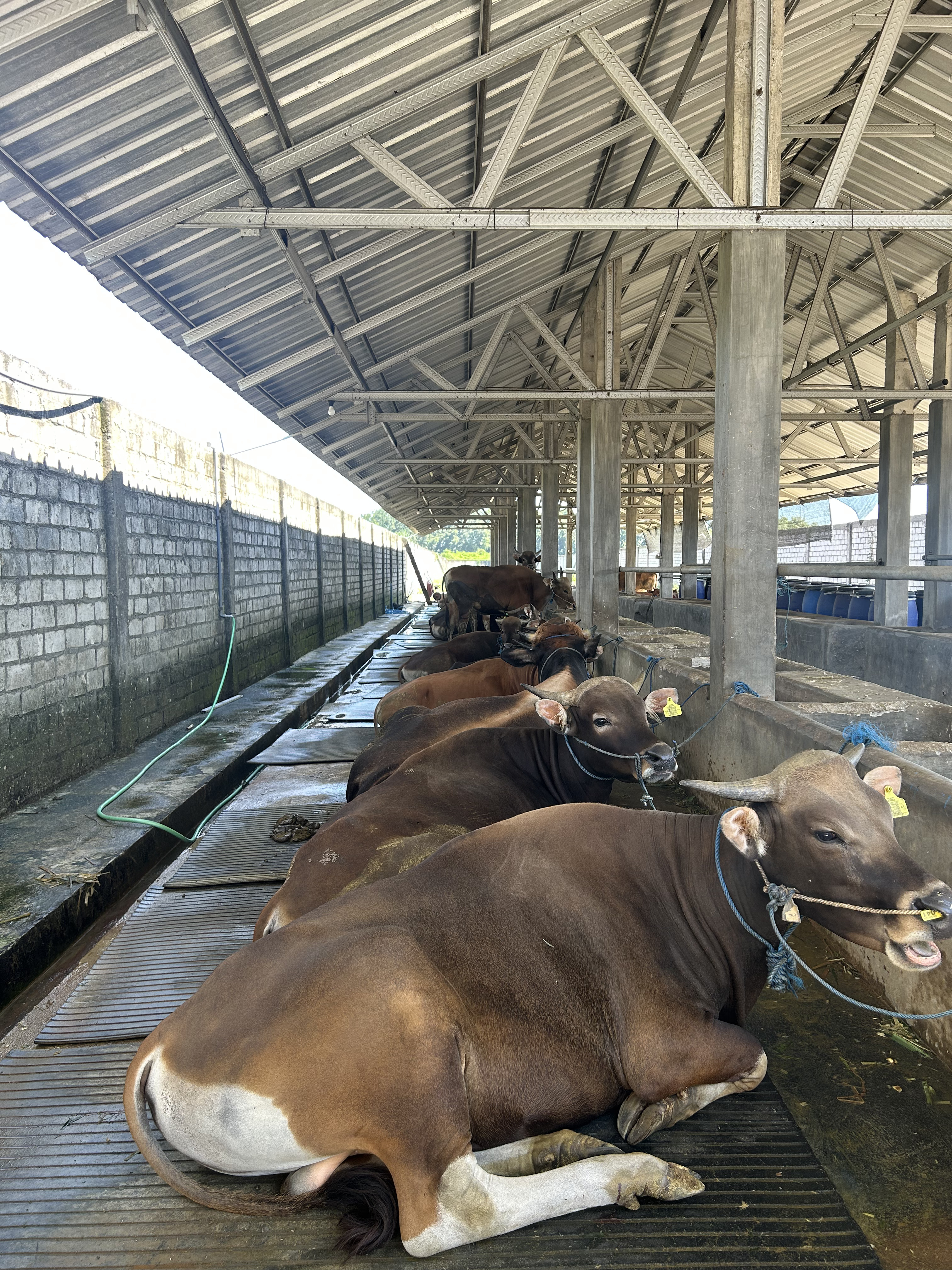
Many farmers consider lameness in cattle to be a minor problem that will resolve itself. However, a single cow with leg problems can cause significant losses, both directly and indirectly.The problem is, limping cows often appear due to less than ideal conditions in the pen, especially the floor.Decreased Appetite and Body WeightLame cows tend to be more sedentary and move less. Eating activity can also be disrupted due to discomfort from prolonged standing.As a result, growth slows and target body weights are not achieved as planned. In a fattening system, delayed harvesting means additional feed and operational costs.Risk of Infection and Treatment CostsLeg wounds can develop into infections if the barn environment is damp and unhygienic. Treatment requires additional costs, not to mention the risk of the cow not being able to be sold at an optimal price.It all starts with unstable footing, slippery floors, or surfaces that are too hard.Prevention is Cheaper than CureEnsuring the cow barn floor is safe and comfortable is the most logical preventative measure. A non-slip and softer flooring system can reduce pressure on the feet.Predator cow mats help create more stable footing so the risk of limping cows can be reduced from the start.ConclusionLameness in cattle is not just a health issue, but also a threat to business profits. Improving housing systems is a strategic step to maintain stable productivity.