.
Artikel Peternakan
0 min read

.

26 November 2025
5 months ago
.
Share Article

Predator Rubber Team

Our expert team is dedicated to providing quality information about livestock farming and animal welfare.

Expert in Animal Welfare & Quality Products

Related Articles

The Impact of Barn Cleanliness on Milk Quality and Grading

The Impact of Barn Cleanliness on Milk Quality and Grading

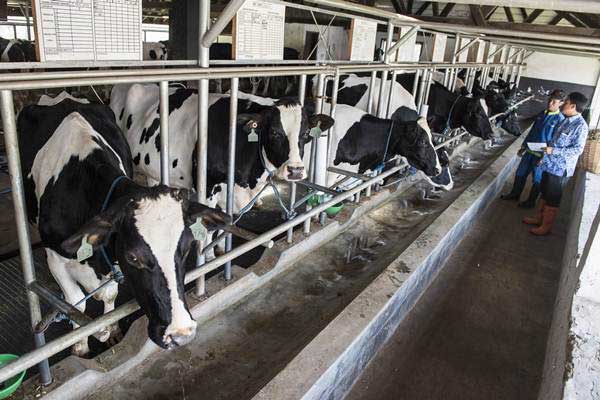
Barn cleanliness has a direct impact on the quality of milk produced by dairy cows. Dirty and humid barn environments increase exposure to pathogenic bacteria, particularly those originating from manure and urine. These conditions raise the risk of milk contamination during milking, increase the Total Plate Count (TPC), and elevate the likelihood of mastitis, which is one of the main causes of declining milk grades.Poor barn hygiene also affects cow comfort. Cows that frequently lie on wet or dirty floors are more prone to udder infections and skin lesions. As a result, milk quality declines, bacterial levels rise, and milk may be rejected or priced lower by dairy processors. FAO states that poor barn hygiene practices are directly correlated with higher incidences of both clinical and subclinical mastitis in dairy cows.Maintaining barn cleanliness does not have to be complicated. Regular cleaning, proper drainage systems, adequate ventilation, and the use of bedding that is easy to clean and remains dry can significantly reduce contamination risks. A clean barn supports healthier cows, better milk quality, and more consistent milk grades, ultimately having a direct impact on farmers’ income.

Read More
Recognize the Signs of Healthy Cows from Their Behavior in the Pen

Recognize the Signs of Healthy Cows from Their Behavior in the Pen

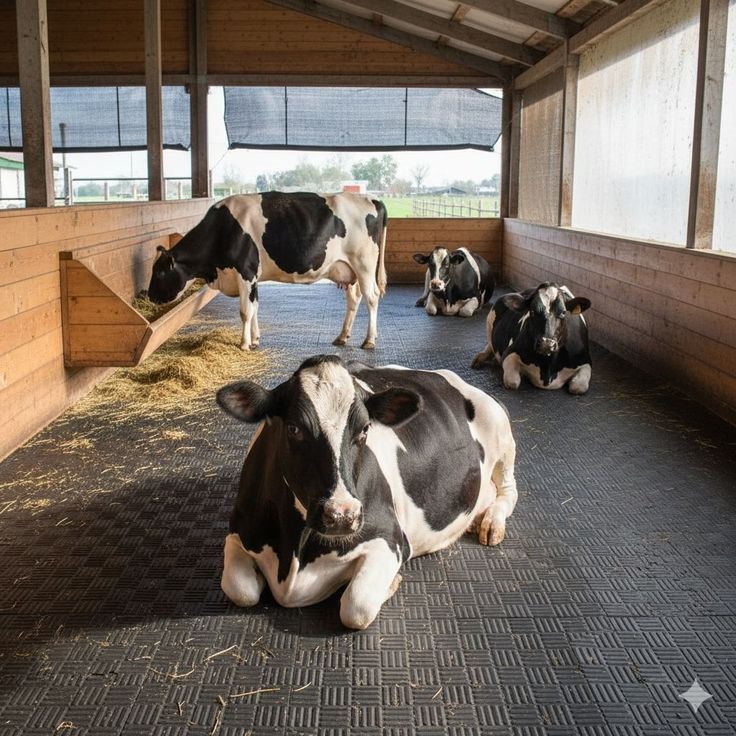
Assessing cattle health doesn't always require a veterinary examination. Farmers can actually observe early signs of cattle health simply from their daily behavior in the barn.Healthy cows will exhibit consistent activity patterns. Conversely, subtle changes in behavior can be an early sign of a problem.1. Stable AppetiteHealthy cattle have a good and consistent appetite. If a cow starts to reduce her feed intake or appears reluctant to eat, it could be an indication of stress or a health problem.A comfortable barn environment helps maintain a stable appetite. Cattle that are not stressed tend to consume feed more optimally.2. Enough time to lie downHealthy cows typically have sufficient time to lie down each day. Lying down helps restore energy and maintain body balance.If cows rarely lie down, the floor of the barn may be too hard, slippery, or damp. These conditions make it uncomfortable for the cows to rest.3. Active and Stable MovementPay attention to how the cow walks. Healthy cows move steadily, don't limp, and don't appear to be in pain when standing. Leg problems often stem from poor barn flooring.Usage Predator cow rug helps create a safer footing and reduces the risk of foot injury.4. Clean and Not Dull FurA cow's health is also reflected in the condition of its coat. A clean, matted coat indicates good barn management. An environment that is too humid or smelly can affect the physical condition of the cattle.5. Calm and Uneasy BehaviorHealthy cows tend to be calmer. If a cow appears restless, frequently shifts position, or is easily startled, there may be environmental factors causing discomfort.A dry, non-slippery, and well-ventilated pen helps keep livestock calm.Health Starts from the EnvironmentMost indicators of cattle health are closely related to barn conditions. Comfortable barn floors, good hygiene, and proper management are the key foundations.Predator is here to help Indonesian farmers create more comfortable cattle pens and support the overall health of their livestock.By understanding the daily behavior of cattle, farmers can detect problems more quickly and maintain maximum productivity.

Read More
Cows Often Slip? Don't Take It Lightly

Cows Often Slip? Don't Take It Lightly

Many farmers focus on feed and vitamins, but forget one crucial aspect: the condition of the barn floor. Slippery floors can be a major cause of cow stress, injury, and even loss of productivity.Why Do Cows Slip Easily?Wet, hard, and slippery barn floors make it difficult for cows to walk. This is especially true given their heavy body weight. One slip can have serious consequences:- Sore or swollen feet- Difficulty standing- Decreased appetite- Milk production or weight also decreases- Increased risk of infectionMany cases of cows appear healthy at first, but after being injured by slipping, their condition slowly declines.Impacts That Farmers Often Don't RealizeInjuries to cattle aren't just physical. Cows in pain are more prone to stress. As stress increases, productivity suffers.In dairy cows, milk production can decrease. Meanwhile, in fattening cows, weight gain slows because the cows are less likely to move and eat.Losses like this often come slowly so that many farmers are unaware that the source of the problem comes from the floor of the cage.A Simple Solution That Is Starting to Become Widely UsedNowadays, many farmers are starting to use cow shed carpets as additional flooring to help reduce slipperiness on the floor.Cage carpets help:- Reducing the risk of cows slipping- Makes the footing more comfortable- Reduce pressure on the cow's legs- Helping to keep the barn clean- Make the cage more durable and neatA comfortable cage does not mean luxurious, but safe for livestock every day.Modern Farmers Begin to Prioritize Livestock ComfortModern animal husbandry focuses not only on livestock numbers but also on the comfort and health of the cows. Comfortable cows tend to be healthier and more productive.Small things like repairing the floor of the cage often have a big impact in the long run.ConclusionCow slips are no small matter. A minor injury can escalate into a major loss if not prevented early. Therefore, it's crucial for farmers to pay attention to the condition of their pens, especially the floor, which is used daily.A safe and comfortable pen helps maintain cow health, increases productivity, and optimizes livestock farming efforts.

Read More
The importance of leveled cow matt placement: Placement impact on cattle health

The importance of leveled cow matt placement: Placement impact on cattle health

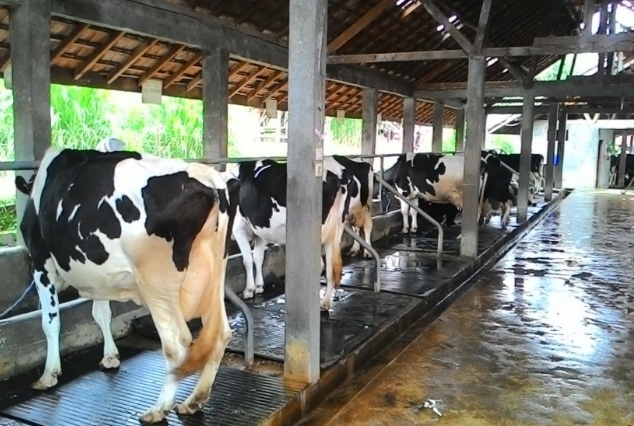
Cow mats are an important product for improving livestock comfort, especially for dairy cows. Proper placement of these mats can support cow health and welfare; however, careful consideration is required when determining how they should be installed inside the barn.Some high-end farmers particularly those supplying milk to large companies such as Nestlé, HUT, and Diamond, tend to install cow mats recessed into the concrete floor. This method adjusts the mat’s dimensions and thickness so that it aligns flush with the barn surface. Such an approach can be effective for farms equipped with advanced water drainage and cleaning systems that allow for regular and thorough sanitation.However, for farms with more basic facilities, especially in rural areas, this installation method may pose health risks to the cows. Recessed mats can create gaps that are difficult to clean, allowing manure, water, and feed residues to accumulate. These conditions encourage bacterial growth and disease development. Over time, this may increase the risk of infection, ultimately affecting cow health and productivity.Therefore, it is strongly recommended that cow mats be placed on top of a flat concrete surface rather than recessed into it. This approach makes installation simpler, keeps the barn cleaner, and prevents the formation of hazardous dirt traps. It also facilitates more effective barn cleaning, helping maintain a hygienic environment and reducing the risk of disease.Ultimately, farmers should adjust cow mat placement methods according to their barn conditions and management systems, whether operating large scale commercial farms or small rural holdings.

Read More
Link copied successfully!