Cows Often Slip? Don't Take It Lightly
Artikel Peternakan
2 min read

Cows Often Slip? Don't Take It Lightly

21 May 2026
1 week ago
Many farmers focus on feed and vitamins, but forget one crucial aspect: the condition of the barn floor. Slippery floors can be a major cause of cow stress, injury, and even loss of productivity.


Why Do Cows Slip Easily?
Wet, hard, and slippery barn floors make it difficult for cows to walk. This is especially true given their heavy body weight. One slip can have serious consequences:
- Sore or swollen feet
  • - Difficulty standing
  • - Decreased appetite
  • - Milk production or weight also decreases
  • - Increased risk of infection

Many cases of cows appear healthy at first, but after being injured by slipping, their condition slowly declines.


Impacts That Farmers Often Don't Realize
Injuries to cattle aren't just physical. Cows in pain are more prone to stress. As stress increases, productivity suffers.
In dairy cows, milk production can decrease. Meanwhile, in fattening cows, weight gain slows because the cows are less likely to move and eat.
Losses like this often come slowly so that many farmers are unaware that the source of the problem comes from the floor of the cage.


A Simple Solution That Is Starting to Become Widely Used
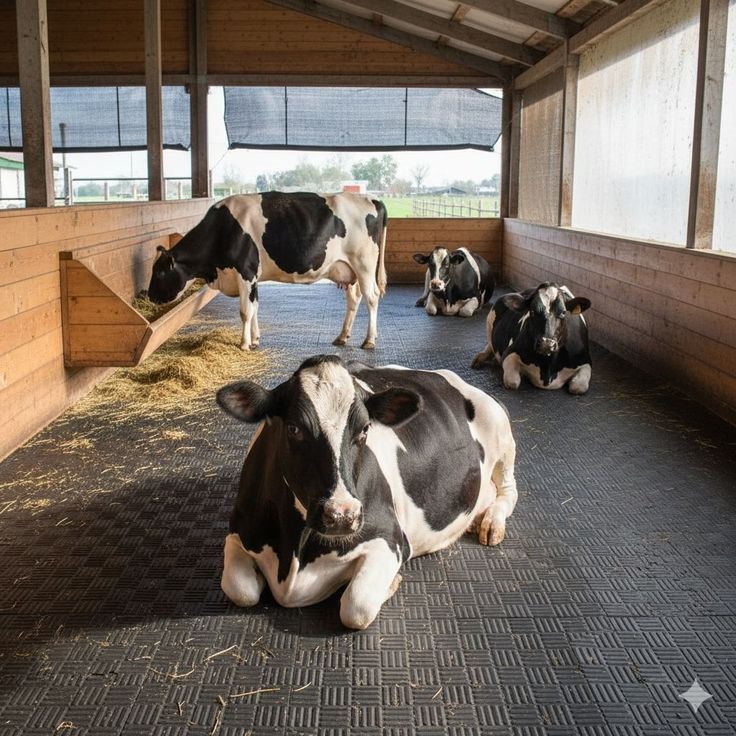
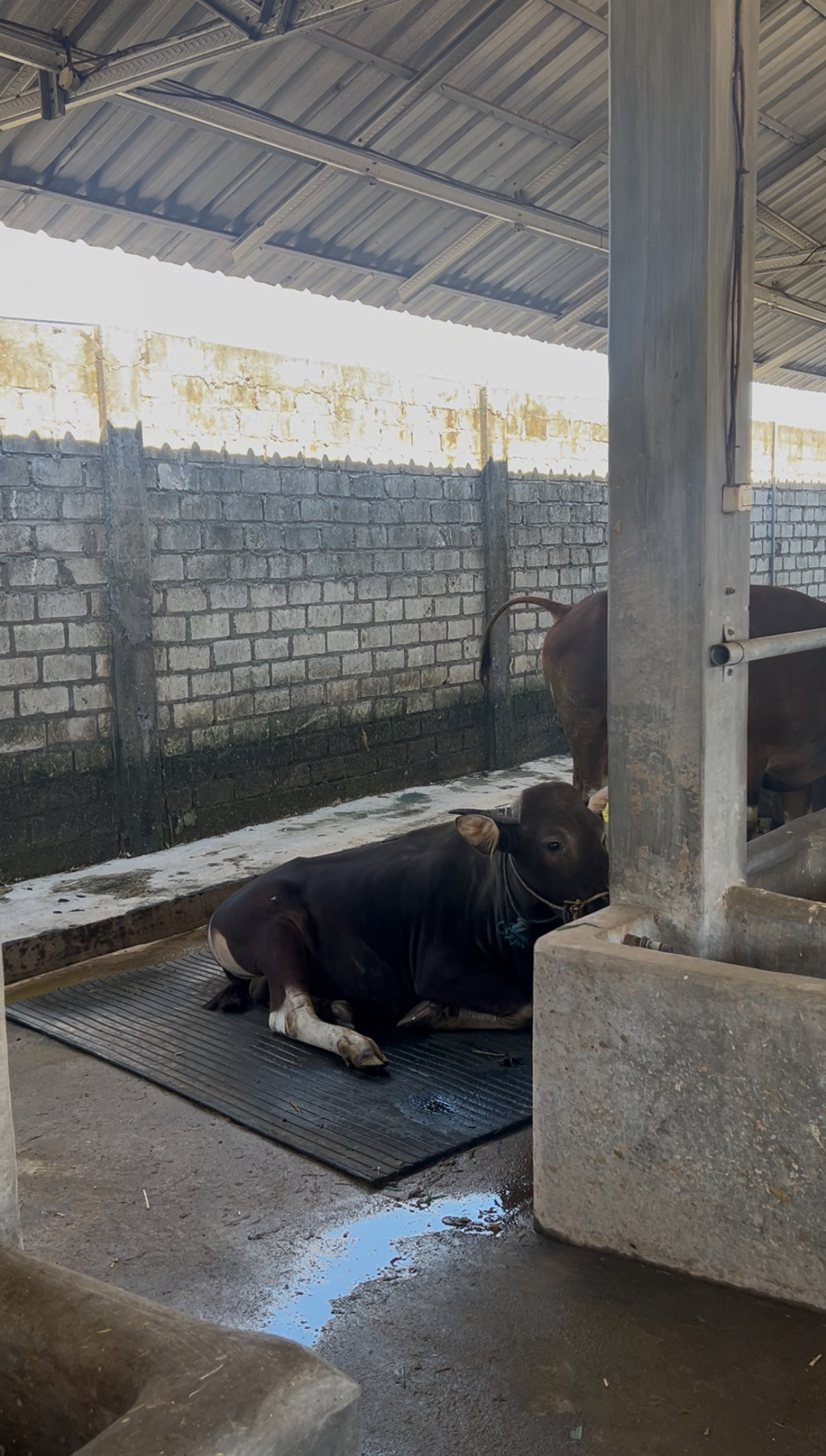
Nowadays, many farmers are starting to use cow shed carpets as additional flooring to help reduce slipperiness on the floor.
Cage carpets help:
- Reducing the risk of cows slipping
  • - Makes the footing more comfortable
  • - Reduce pressure on the cow's legs
  • - Helping to keep the barn clean
  • - Make the cage more durable and neat

  • A comfortable cage does not mean luxurious, but safe for livestock every day.


Modern Farmers Begin to Prioritize Livestock Comfort
Modern animal husbandry focuses not only on livestock numbers but also on the comfort and health of the cows. Comfortable cows tend to be healthier and more productive.
Small things like repairing the floor of the cage often have a big impact in the long run.


Conclusion
Cow slips are no small matter. A minor injury can escalate into a major loss if not prevented early. Therefore, it's crucial for farmers to pay attention to the condition of their pens, especially the floor, which is used daily.

A safe and comfortable pen helps maintain cow health, increases productivity, and optimizes livestock farming efforts.
Share Article

Predator Rubber Team

Our expert team is dedicated to providing quality information about livestock farming and animal welfare.

Expert in Animal Welfare & Quality Products

Related Articles

Predator Cow Mat – Small Investment, Big Results for Farmers

Predator Cow Mat – Small Investment, Big Results for Farmers

Challenges in the Livestock IndustryCattle farming, whether its beef or dairy both requires precision, consistency, and the right management strategy. Success is not only about providing proper feed and veterinary care, but comfort in the barn also plays a crucial role in determining productivity. Many farmers still rely on concrete or bare soil floors for their barns. Unfortunately, these surfaces often create problems: slippery when wet, damp during the rainy season, and too hard for cows to rest comfortably. Such conditions can cause stress, joint injuries, or infections, ultimately lowering productivity. A simple yet highly effective solution to this long standing problem is the use of cow mats designed specifically for barns. One of the best options available today is the Predator Cow Mat.Predator Cow Mat: A Modern SolutionPredator Cow Mat is specially engineered to meet the needs of modern livestock management. Made from a combination of high quality nylon fibers and reinforced rubber, it is strong, durable, and comfortable for cattle.Key Features:Moisture Resistant & Quick Drying Prevents excessive dampness in the barn, keeping the floor dry and reducing unpleasant odors.Anti Slip Surface Provides a stable grip, reducing the risk of cows slipping and injuring themselves.Comfortable for Resting With a thickness of 12 mm (and above), the mat provides a softer surface, preventing knee or joint injuries when cows lie down.Durable & Long-Lasting Withstands the heavy weight of cattle and daily wear, offering long term reliability.Easy to Clean Dirt and manure can be washed away easily with water, saving time and labor.Flexible Sizing Available in a standard size of 110 x 200 cm with 12 mm thickness, but can be customized to fit specific barn needs.Real Benefits for FarmersThe Predator Cow Mat is more than just a comfort upgrade, it delivers tangible benefits for livestock farmers:Healthier Cattle A dry and comfortable environment helps reduce the risk of infections, skin diseases, and injuries.Improved Productivity Dairy cows produce more milk when they feel comfortable, while beef cattle grow faster with reduced stress.Lower Maintenance Costs Healthier cattle reduce veterinary expenses, while the mat’s durability saves on replacement costs.Professional Barn Image Clean, hygienic, and modern barns enhance the professional reputation of any livestock business.In livestock farming, every detail counts. The Predator Cow Mat proves that a small investment can bring big results. With its durability, comfort, and practicality, this product helps create healthier barns, more productive cattle, and long term benefits for farmers.👉 It’s time to modernize your barn with Predator Cow Mat and experience the difference yourself!📞 Contact us today: +62 812-5251-1238

Read More
Modern Livestock Management That Can Be Applied by Smallholder Farmers

Modern Livestock Management That Can Be Applied by Smallholder Farmers

Modern livestock management is key to increasing the productivity and sustainability of livestock businesses in Indonesia. Amidst the challenges of rising feed costs, disease risks, and demands for quality livestock products,smallholder farmers are required to start implementing a more organized and planned management system. The good news is, modern management doesn't always require expensive technology or large-scale operations.The Importance of Good Farm ManagementModern farm management is a way to manage a livestock business efficiently, measurably, and with a long-term focus. With good management, farmers can control costs, maintain livestock health, and increase meat and milk production.For smallholder farmers, proper management can have a significant impact due to the limited scale of their operations. Small mistakes, such as slippery pens or poor hygiene, can lead to significant losses due to livestock injuries or illnesses.Cage Management as the Main FoundationOne of the main pillars in livestock management is management.cowshedUncomfortable pens can cause stress, reduce appetite, and even lead to injury in livestock. Therefore, pens must be designed to be safe, clean, and easy to maintain.Some principles of a good cage include:- The cage floor is not slippery and easy to clean.- Smooth drainage so that the cage does not get muddy- Sufficient air circulation- The layout of the cage facilitates daily activities.Using proper bedding helps reduce the risk of cows slipping and maintains their comfort. A safe barn environment will directly impact productivity.Focus on Animal Welfare and HealthModern farm management places livestock welfare as a priority. Healthy and comfortable livestock have better production performance and a longer productive lifespan. Disease prevention through clean pens and routine maintenance is far more cost-effective than medical treatment.Smallholder farmers can start with simple steps such as keeping the floor of the pen clean, monitoring the condition of the livestock's feet, and ensuring that the livestock can stand and lie down comfortably.Simple Record Keeping for Decision MakingRecord-keeping is a key feature of modern management. Farmers don't need a complicated system; simply record livestock numbers, health conditions, and production results. Consistent record-keeping allows farmers to evaluate livestock performance and plan business development more effectively.Towards Sustainable LivestockThe implementation of good management will lead farmers towards sustainable farming. Livestock farming focuses not only on short-term results but also on maintaining production stability, cost efficiency, and long-term business continuity.As a partner to livestock farmers, Predator supports the implementation of modern livestock management through safe, comfortable, and durable housing solutions. Predator believes that a strong livestock farm always starts with a well-organized housing system.Modern livestock management can be implemented by smallholder farmers in a gradual and realistic manner. From pen management and attention to livestock welfare to simple record-keeping, all these steps help farmers increase productivity and maintain business sustainability.

Read More
The Impact of Barn Cleanliness on Milk Quality and Grading

The Impact of Barn Cleanliness on Milk Quality and Grading

Barn cleanliness has a direct impact on the quality of milk produced by dairy cows. Dirty and humid barn environments increase exposure to pathogenic bacteria, particularly those originating from manure and urine. These conditions raise the risk of milk contamination during milking, increase the Total Plate Count (TPC), and elevate the likelihood of mastitis, which is one of the main causes of declining milk grades.Poor barn hygiene also affects cow comfort. Cows that frequently lie on wet or dirty floors are more prone to udder infections and skin lesions. As a result, milk quality declines, bacterial levels rise, and milk may be rejected or priced lower by dairy processors. FAO states that poor barn hygiene practices are directly correlated with higher incidences of both clinical and subclinical mastitis in dairy cows.Maintaining barn cleanliness does not have to be complicated. Regular cleaning, proper drainage systems, adequate ventilation, and the use of bedding that is easy to clean and remains dry can significantly reduce contamination risks. A clean barn supports healthier cows, better milk quality, and more consistent milk grades, ultimately having a direct impact on farmers’ income.

Read More
Modern Strategic Increase in National Milk Production

Modern Strategic Increase in National Milk Production

Domestic milk demand continues to increase each year, yet national production has not been able to keep pace. Indonesia still imports the majority of its processed milk requirements, indicating that improving the productivity of local dairy cows has become an urgent necessity. Several modern strategies have begun to be implemented, including better barn management, improved nutrition, and the use of data-driven technologies. The International Dairy Federation (IDF) has noted that the adoption of precision dairy farming, ranging from health sensors and heat detection tools to automated feed management systems can improve production efficiency by 15–20% across various developing countries.In Indonesia, efforts such as strengthening dairy cooperatives, improving supply chain structures, and stabilizing milk purchase prices also play a crucial role in production success. When farmers gain price certainty and access to quality feed, cow performance becomes more consistent. This highlights that increasing dairy production is not only about the cows themselves, but about strengthening the entire farming ecosystem.

Read More
Rainy Season Coming? Here Are the Hidden Risks in Cow Sheds to Watch Out For

Rainy Season Coming? Here Are the Hidden Risks in Cow Sheds to Watch Out For

The rainy season is often considered a blessing due to cooler temperatures and abundant forage. However, livestock farmers often face significant challenges: damp, muddy pens that pose health risks to their cattle. If not properly managed, the rainy season can lead to increased maintenance costs and decreased livestock performance.This article discusses the hidden risks in cattle pens during the rainy season and the preventative measures that farmers can take.Humidity Height Triggers Health ProblemsHeavy rainfall drastically increases the humidity in the barn. Floors that are difficult to dry create an ideal environment for bacteria and fungi to thrive. As a result, cows are more susceptible to skin diseases, hoof infections, and even respiratory problems.This problem often appears slowly and is considered normal. However, excessively damp barns are one of the main triggers for a reduced immune system in cattle.Slippery Floors and Risk of InjuryDuring the rainy season, barn floors become more slippery. Water mixed with manure makes the surface even more dangerous. Cows that slip risk leg and joint injuries.Minor injuries can have significant consequences if not treated promptly. Besides medical costs, livestock productivity can also decrease due to discomfort in movement.The smell appears fasterExcessive humidity accelerates the decomposition of urine and manure. This is why cow sheds often smell more quickly during the rainy season. The pungent odor not only disturbs the surrounding environment but also affects the cows' well-being.Cattle in uncomfortable environments tend to become stressed and lose their appetite. In the long term, this impacts growth and crop yields.The Importance of a Supportive Floor SystemFacing the rainy season doesn't mean farmers need to undertake major renovations. The main focus is on the barn flooring system, which helps reduce waterlogging and maintains a stable surface.Usage Predator cow rug is a solution that helps create safer and more comfortable footing. The non-slip, quick-drying surface helps reduce the risk of injury and maintains optimal cage hygiene.With the right flooring system, the rainy season is no longer a major threat to livestock health.Better Preparation, Less RiskFarmers who are prepared for the rainy season usually anticipate it well in advance. Ensuring proper drainage, regulating air circulation, and repairing barn floors are all strategic steps they can take.Predator is here to help Indonesian farmers create more weather-resistant cattle pens. Comfortable and safe pens are key to maintaining stable productivity throughout the season.Don't wait for problems to arise during the rainy season. Prepare your pen now to keep your cattle healthy and keep costs under control.

Read More
Small Mistakes in Cow Sheds That Seem Trivial, But Secretly Drain Farmers' Costs

Small Mistakes in Cow Sheds That Seem Trivial, But Secretly Drain Farmers' Costs

Many farmers feel they work hard every day: keeping the barn clean, feeding the cattle on time, and spraying them regularly to prevent odor. Yet, oddly, the costs still seem high, and livestock yields are suboptimal. If this is a frequent experience for you, the problem may not be with the feed or medication, but rather with the livestock itself, a minor error in the cow shed which is often considered trivial.The cage looks clean, but it's not comfortable.Cleaning the pen is important, but cleanliness alone isn't enough. Pens that are frequently sprayed with water but don't dry quickly actually lead to excess humidity. This condition makes the floor slippery, causes an ammonia odor, and makes the cows susceptible to foot problems.Uncomfortable cattle will stand more often, lie down less often, and become easily stressed. As a result, energy that should be used for growth is instead used to adapt to the less-than-ideal barn environment.Cage Floors: An Often Overlooked Source of ProblemsOne of the most common mistakes is leaving the cage floor hard and cold. Plain cement or dirt floors may seem sturdy, but in the long run, they can cause lameness, hoof injuries, and infections.These problems are often not immediately apparent. Farmers only realize it when the cow begins to have difficulty standing, loses appetite, or doesn't reach target body weight. By this point, additional medical and care costs have already been incurred.Small Expenses That Continue Every DayUncomfortable pens create hidden costs: medication, extra vitamins, extra labor, and even the risk of delayed harvest. When calculated, these small expenses can far outweigh the initial investment in pen repairs.Farmers often focus on rising feed prices, even though cage efficiency can have a big impact on daily expenses.Cow Carpets as a Real SolutionUsage Predator cow rug is a practical solution to address barn floor issues. This carpet is designed to be non-slip, softer, and helps keep the barn dry. This reduces pressure on the cows' feet, reduces the risk of injury, and allows them to rest more comfortably.With more stable housing conditions, cattle are calmer, less likely to get sick, and grow optimally. This means maintenance costs can be reduced without compromising the quality of care.Smart Farmers Focus on the Root of the ProblemProgressive farmers aren't the ones who spray their pens the most, but rather the ones who understand the root of the problem. Improving pen flooring and cow comfort is a strategic step that often goes unnoticed.Predator is here to help Indonesian farmers reduce small mistakes that can have big consequences. With the right housing solutions, costs can be controlled and livestock yields maximized.Because in animal husbandry, coop comfort is not an additional cost, but a long-term investment.

Read More
Link copied successfully!