Modern Livestock Management That Can Be Applied by Smallholder Farmers
Artikel Peternakan
3 min read

Modern Livestock Management That Can Be Applied by Smallholder Farmers

30 January 2026
3 months ago
Modern livestock management is key to increasing the productivity and sustainability of livestock businesses in Indonesia. Amidst the challenges of rising feed costs, disease risks, and demands for quality livestock products,smallholder farmers are required to start implementing a more organized and planned management system. The good news is, modern management doesn't always require expensive technology or large-scale operations.

The Importance of Good Farm Management
Modern farm management is a way to manage a livestock business efficiently, measurably, and with a long-term focus. With good management, farmers can control costs, maintain livestock health, and increase meat and milk production.
For smallholder farmers, proper management can have a significant impact due to the limited scale of their operations. Small mistakes, such as slippery pens or poor hygiene, can lead to significant losses due to livestock injuries or illnesses.

Cage Management as the Main Foundation
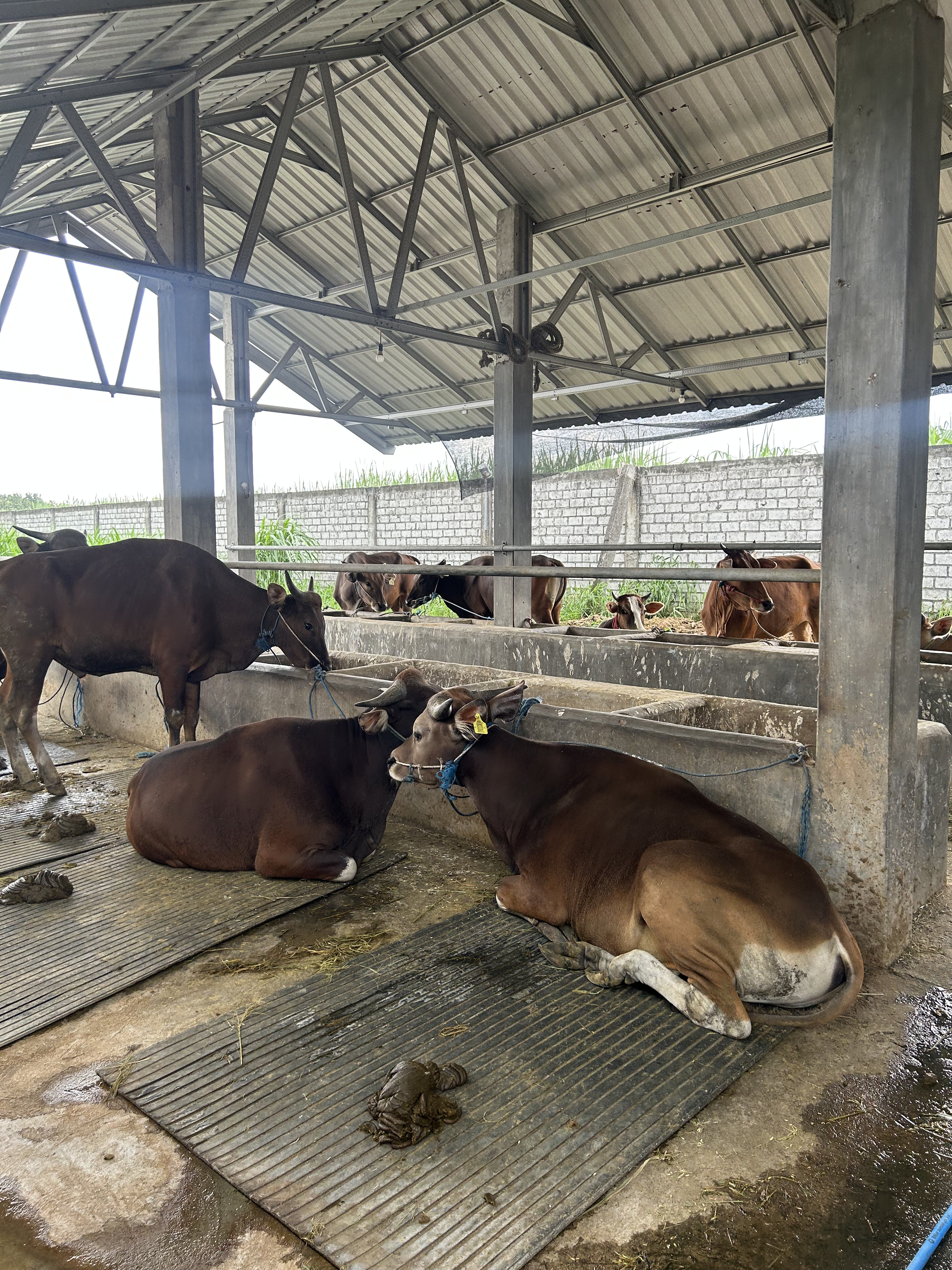
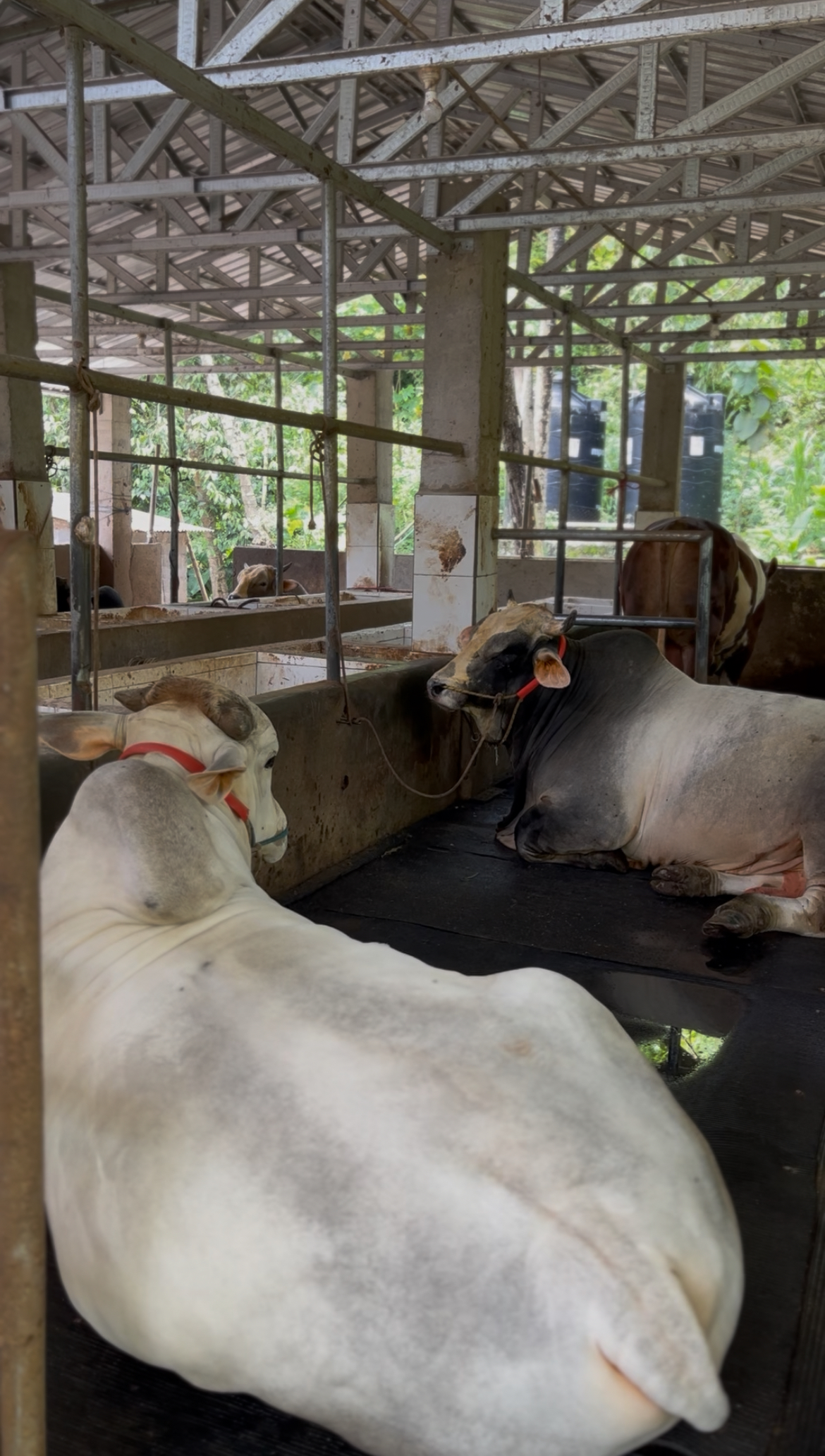
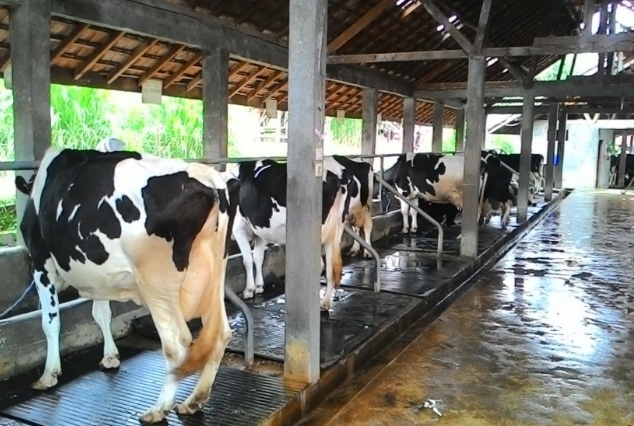
One of the main pillars in livestock management is management.cowshedUncomfortable pens can cause stress, reduce appetite, and even lead to injury in livestock. Therefore, pens must be designed to be safe, clean, and easy to maintain.
Some principles of a good cage include:
- The cage floor is not slippery and easy to clean.
  • - Smooth drainage so that the cage does not get muddy
  • - Sufficient air circulation
  • - The layout of the cage facilitates daily activities.
Using proper bedding helps reduce the risk of cows slipping and maintains their comfort. A safe barn environment will directly impact productivity.

Focus on Animal Welfare and Health
Modern farm management places livestock welfare as a priority. Healthy and comfortable livestock have better production performance and a longer productive lifespan. Disease prevention through clean pens and routine maintenance is far more cost-effective than medical treatment.
Smallholder farmers can start with simple steps such as keeping the floor of the pen clean, monitoring the condition of the livestock's feet, and ensuring that the livestock can stand and lie down comfortably.

Simple Record Keeping for Decision Making
Record-keeping is a key feature of modern management. Farmers don't need a complicated system; simply record livestock numbers, health conditions, and production results. Consistent record-keeping allows farmers to evaluate livestock performance and plan business development more effectively.

Towards Sustainable Livestock
The implementation of good management will lead farmers towards sustainable farming. Livestock farming focuses not only on short-term results but also on maintaining production stability, cost efficiency, and long-term business continuity.
As a partner to livestock farmers, Predator supports the implementation of modern livestock management through safe, comfortable, and durable housing solutions. Predator believes that a strong livestock farm always starts with a well-organized housing system.

Modern livestock management can be implemented by smallholder farmers in a gradual and realistic manner. From pen management and attention to livestock welfare to simple record-keeping, all these steps help farmers increase productivity and maintain business sustainability.

Share Article

Predator Rubber Team

Our expert team is dedicated to providing quality information about livestock farming and animal welfare.

Expert in Animal Welfare & Quality Products

Related Articles

Lameness in Cows Is Not a Trivial Problem: Here's How It Impacts Farmers' Profits

Lameness in Cows Is Not a Trivial Problem: Here's How It Impacts Farmers' Profits

Many farmers consider lameness in cattle to be a minor problem that will resolve itself. However, a single cow with leg problems can cause significant losses, both directly and indirectly.The problem is, limping cows often appear due to less than ideal conditions in the pen, especially the floor.Decreased Appetite and Body WeightLame cows tend to be more sedentary and move less. Eating activity can also be disrupted due to discomfort from prolonged standing.As a result, growth slows and target body weights are not achieved as planned. In a fattening system, delayed harvesting means additional feed and operational costs.Risk of Infection and Treatment CostsLeg wounds can develop into infections if the barn environment is damp and unhygienic. Treatment requires additional costs, not to mention the risk of the cow not being able to be sold at an optimal price.It all starts with unstable footing, slippery floors, or surfaces that are too hard.Prevention is Cheaper than CureEnsuring the cow barn floor is safe and comfortable is the most logical preventative measure. A non-slip and softer flooring system can reduce pressure on the feet.Predator cow mats help create more stable footing so the risk of limping cows can be reduced from the start.ConclusionLameness in cattle is not just a health issue, but also a threat to business profits. Improving housing systems is a strategic step to maintain stable productivity.

Read More
Conventional Cages vs. Modern Cages: Which is More Profitable for Farmers?

Conventional Cages vs. Modern Cages: Which is More Profitable for Farmers?

In the world of cattle farming, there is still much debate about whether to maintain traditional housing systems or switch to more modern ones. Some farmers feel that conventional housing is sufficient, as long as the cattle can still eat and grow. However, more and more farmers are realizing that housing comfort significantly impacts long-term productivity and costs.So, what's the difference between a conventional cage and a modern cage? And which is more profitable?1. Floor Structure and ComfortConventional pens generally use plain cement or dirt floors. While they may seem sturdy and simple, they can cause long-term problems, such as being slippery, damp, and hard on the cows' feet.Meanwhile, modern barns place greater emphasis on comfort, particularly on the floors of the cow pens. Surfaces are made safer, non-slip, and allow cows to stand and lie down comfortably.These differences may seem small, but they have a huge impact on the health of the cow's feet and stress levels.2. Impact on Livestock HealthIn a typical barn, problems such as limping, injured hooves, and odor are often considered normal. However, these conditions are actually signs that the environment is not optimal.Modern pens are designed to minimize these risks. Cows are more stable when walking, lie down more often, and tend to grow more consistently.A comfortable environment helps maintain the cow's immune system and reduces the need for additional medication.3. Long-Term Cost EfficiencyMany breeders believe that modern cages require a higher initial cost. However, what is often overlooked are the hidden costs of conventional cages: medication, vitamin supplements, the risk of injury, and longer harvest times.With a better housing system, these costs can be reduced. This means efficiency isn't just about initial cost, but also about long-term stability.4. The Role of Cow Carpets in Modernizing ShedsOne practical step toward a modern barn without major renovations is the use of Predator cattle carpet. This carpet helps create a more comfortable, non-slip floor that's easier to clean.With the addition of the right flooring system, a standard barn can be upgraded without having to rebuild from scratch.5. Investment or Expense?The biggest question farmers often have is: is improving the barn an investment or just an extra expense?The answer depends on your perspective. If a more comfortable barn can improve cow health, accelerate growth, and reduce maintenance costs, then it's a worthwhile investment.ConclusionA standard cage may seem adequate, but modern cages offer greater stability and efficiency in the long run. Farmers looking to expand their livestock operations should consider upgrading their housing system as part of their business strategy.Predator is here to support Indonesian farmers in creating more comfortable, safe, and profitable cattle pens.

Read More
Quality Cow Shed Carpets for Modern Farms | Predator Rubber

Quality Cow Shed Carpets for Modern Farms | Predator Rubber

In modern animal husbandry, the comfort and safety of cattle are crucial factors in increasing productivity. One solution now widely used by farmers is the use of high-quality cow pen carpets. Predator offers the best cow pen carpets, specifically designed to help create safer, more comfortable, and more durable pens.Why are Cow Shed Carpets Important?Many farmers still use plain, slippery, and hard concrete floors. However, this condition can easily cause cows to slip, suffer injuries, and even cause stress. If left untreated, it can even reduce their productivity.By using Predator cow shed carpet, the shed floor becomes more comfortable and safe for the livestock's daily activities.Benefits of Predator Cow Shed Carpets1. Reduce the risk of slippingThe carpet's surface is designed to be slip-resistant, helping cows stand and walk more steadily. This minimizes the risk of injury from slipping.2. More Comfortable for CowsHigh-quality rubber material helps reduce pressure on the cow's legs, making them more comfortable when standing or resting.3. Easy to CleanPredator cow pen carpets are easy to wash and don't absorb excess dirt, making pen cleaning more convenient and efficient.4. Durable and StrongUsing high-quality rubber material, the Predator carpet has good durability for long-term use.5. Helps Livestock ProductivityA comfortable pen can help maintain good cow health. Comfortable cows tend to have a more consistent appetite and productivity.Predator, a Quality Cow Shed Carpet SolutionPredator offers a variety of sizes and thicknesses of cow barn carpets to meet farm needs. Suitable for both dairy and beef cattle farms.Predator products have been used by numerous breeders, distributors, and livestock agencies in various regions. With guaranteed quality, Predator is ready to help create more modern and safe cages.Tips for Choosing Cow Shed CarpetsBefore buying a cow shed carpet, there are several things you need to pay attention to:- Choose rubber material that is strong and not easily torn.- Make sure the surface is non-slip- Adjust the thickness to the cage requirements- Choose products that are easy to clean- Prioritize quality for long-term useConclusionCow barn carpet isn't just a barn accessory, but a crucial investment for the comfort and safety of your livestock. By choosing Predator cow barn carpet, farmers can create a better, safer, and more durable barn environment.If you are looking for quality cow shed carpet, Predator is ready to be the best solution for your livestock needs.

Read More
Does Your Cage Smell Quickly? Here Are the Causes and How to Fix It

Does Your Cage Smell Quickly? Here Are the Causes and How to Fix It

A smelly pen is often considered normal, but it can actually reduce livestock performance. The pungent odor usually comes from ammonia gas caused by urine settling on the floor surface.This problem often occurs in sheds with poor drainage and floors that absorb liquids.Causes of Smelly Cow ShedsSome of the main factors:- The drainage system is not running smoothly- The floor of the cage has no slope- Urine absorbent surface- Cleaning is not optimal- Poor ventilationA humid environment promotes bacterial growth and increases ammonia levels. If left untreated, cows can experience mild respiratory distress and environmental stress.Impact on ProductivityCows living in pens with poor air quality tend to:- Decreased appetite- Easily stressed- Prone to nail infections- Suboptimal growthThe long-term solution is not just cleaning more often, but improving the system.modern cow shed floor which does not absorb liquid and supports drainage flow.A clean and odor-free cow shed creates a healthier working environment while increasing the efficiency of the livestock business.A dry, odor-free pen significantly impacts the cows' comfort and appetite. A floor system that doesn't absorb liquids and is easy to clean, such asPredator Cow Carpet, cage hygiene management becomes more efficient and the risk of ammonia odor can be significantly reduced. It's time to switch to a more modern and hygienic cage system.

Read More
Heat Stress in Cattle: A Hidden Threat That Reduces Productivity

Heat Stress in Cattle: A Hidden Threat That Reduces Productivity

Besides the rainy season, the dry season also presents significant challenges for cattle farmers. High temperatures and poor air circulation can trigger heat stress in livestock. This condition often goes unnoticed at first, but its impact on cattle growth and health is very significant.Understanding the causes and how to address them is an important step to maintaining stable productivity throughout the year.What is Heat Stress in Cattle?Heat stress occurs when the environmental temperature exceeds the cow's comfort level. The cow's body works harder to reduce the temperature, so energy that should be used for growth is instead used to defend against the heat.The signs include:- The cow is panting- Decreased appetite- Standing and fidgeting more often- Water consumption has increased drasticallyIf this condition persists for a long time, it can be difficult to gain weight and the risk of disease increases.Cages Play a Big Role in Reducing StressMany farmers focus on adding vitamins or supplements during the summer, but forget that housing conditions are a key factor. Hot, humid, and poorly ventilated housing exacerbates cow stress.The heat-retaining floor of the barn also discourages cows from lying down, even though rest time is crucial for energy recovery.The Importance of a More Comfortable FloorFloor surfaces that are too hard and hot can increase discomfort. Cows will be standing more frequently, increasing pressure on their feet and increasing the risk of injury.Usage Predator cow rug this helps create a more comfortable surface that doesn't absorb heat as readily as cement floors. With more stable footing, cows can rest more comfortably even when the ambient temperature rises.Strategies for Facing the Dry SeasonSome steps that breeders can take:- Ensure optimal cage ventilation- Provide access to sufficient drinking water- Reduce the density of cattle in the pen- Improve the floor system to prevent overheating.A more comfortable pen will help cows get through the dry season without a significant decrease in performance.Stable Productivity Throughout the SeasonFarmers who understand the importance of barn management focus not only on feed but also on the livestock environment. With the right barn system, the risk of heat stress can be reduced and cattle growth can be optimal.Predator supports Indonesian farmers in creating more comfortable and safe cattle pens in various weather conditions.

Read More
The importance of leveled cow matt placement: Placement impact on cattle health

The importance of leveled cow matt placement: Placement impact on cattle health

Cow mats are an important product for improving livestock comfort, especially for dairy cows. Proper placement of these mats can support cow health and welfare; however, careful consideration is required when determining how they should be installed inside the barn.Some high-end farmers particularly those supplying milk to large companies such as Nestlé, HUT, and Diamond, tend to install cow mats recessed into the concrete floor. This method adjusts the mat’s dimensions and thickness so that it aligns flush with the barn surface. Such an approach can be effective for farms equipped with advanced water drainage and cleaning systems that allow for regular and thorough sanitation.However, for farms with more basic facilities, especially in rural areas, this installation method may pose health risks to the cows. Recessed mats can create gaps that are difficult to clean, allowing manure, water, and feed residues to accumulate. These conditions encourage bacterial growth and disease development. Over time, this may increase the risk of infection, ultimately affecting cow health and productivity.Therefore, it is strongly recommended that cow mats be placed on top of a flat concrete surface rather than recessed into it. This approach makes installation simpler, keeps the barn cleaner, and prevents the formation of hazardous dirt traps. It also facilitates more effective barn cleaning, helping maintain a hygienic environment and reducing the risk of disease.Ultimately, farmers should adjust cow mat placement methods according to their barn conditions and management systems, whether operating large scale commercial farms or small rural holdings.

Read More
Link copied successfully!