Artikel Peternakan
3 min read
Conventional Cages vs. Modern Cages: Which is More Profitable for Farmers?
27 February 2026
3 months ago
In the world of cattle farming, there is still much debate about whether to maintain traditional housing systems or switch to more modern ones. Some farmers feel that conventional housing is sufficient, as long as the cattle can still eat and grow. However, more and more farmers are realizing that housing comfort significantly impacts long-term productivity and costs.
So, what's the difference between a conventional cage and a modern cage? And which is more profitable?
1. Floor Structure and Comfort
Conventional pens generally use plain cement or dirt floors. While they may seem sturdy and simple, they can cause long-term problems, such as being slippery, damp, and hard on the cows' feet.
Conventional pens generally use plain cement or dirt floors. While they may seem sturdy and simple, they can cause long-term problems, such as being slippery, damp, and hard on the cows' feet.
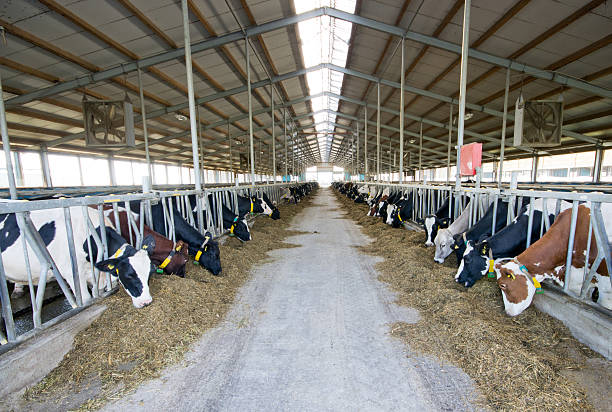
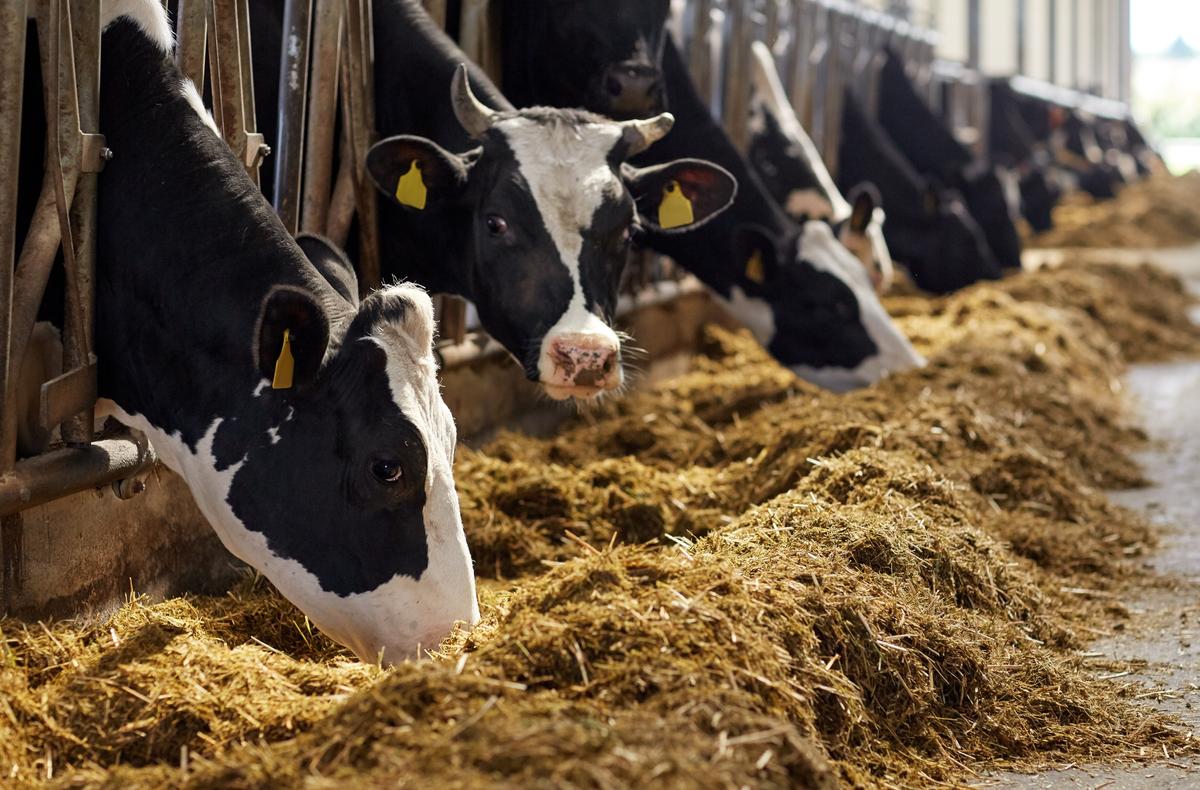
Meanwhile, modern barns place greater emphasis on comfort, particularly on the floors of the cow pens. Surfaces are made safer, non-slip, and allow cows to stand and lie down comfortably.
These differences may seem small, but they have a huge impact on the health of the cow's feet and stress levels.
These differences may seem small, but they have a huge impact on the health of the cow's feet and stress levels.
2. Impact on Livestock Health
In a typical barn, problems such as limping, injured hooves, and odor are often considered normal. However, these conditions are actually signs that the environment is not optimal.
In a typical barn, problems such as limping, injured hooves, and odor are often considered normal. However, these conditions are actually signs that the environment is not optimal.
Modern pens are designed to minimize these risks. Cows are more stable when walking, lie down more often, and tend to grow more consistently.
A comfortable environment helps maintain the cow's immune system and reduces the need for additional medication.
A comfortable environment helps maintain the cow's immune system and reduces the need for additional medication.
3. Long-Term Cost Efficiency
Many breeders believe that modern cages require a higher initial cost. However, what is often overlooked are the hidden costs of conventional cages: medication, vitamin supplements, the risk of injury, and longer harvest times.
With a better housing system, these costs can be reduced. This means efficiency isn't just about initial cost, but also about long-term stability.
Many breeders believe that modern cages require a higher initial cost. However, what is often overlooked are the hidden costs of conventional cages: medication, vitamin supplements, the risk of injury, and longer harvest times.
With a better housing system, these costs can be reduced. This means efficiency isn't just about initial cost, but also about long-term stability.
4. The Role of Cow Carpets in Modernizing Sheds
One practical step toward a modern barn without major renovations is the use of Predator cattle carpet. This carpet helps create a more comfortable, non-slip floor that's easier to clean.
With the addition of the right flooring system, a standard barn can be upgraded without having to rebuild from scratch.
One practical step toward a modern barn without major renovations is the use of Predator cattle carpet. This carpet helps create a more comfortable, non-slip floor that's easier to clean.
With the addition of the right flooring system, a standard barn can be upgraded without having to rebuild from scratch.
5. Investment or Expense?
The biggest question farmers often have is: is improving the barn an investment or just an extra expense?
The answer depends on your perspective. If a more comfortable barn can improve cow health, accelerate growth, and reduce maintenance costs, then it's a worthwhile investment.
The biggest question farmers often have is: is improving the barn an investment or just an extra expense?
The answer depends on your perspective. If a more comfortable barn can improve cow health, accelerate growth, and reduce maintenance costs, then it's a worthwhile investment.
Conclusion
A standard cage may seem adequate, but modern cages offer greater stability and efficiency in the long run. Farmers looking to expand their livestock operations should consider upgrading their housing system as part of their business strategy.
A standard cage may seem adequate, but modern cages offer greater stability and efficiency in the long run. Farmers looking to expand their livestock operations should consider upgrading their housing system as part of their business strategy.
Predator is here to support Indonesian farmers in creating more comfortable, safe, and profitable cattle pens.