How to Increase the Selling Value of Cattle Without Adding Much Cost
Artikel Peternakan
2 min read

How to Increase the Selling Value of Cattle Without Adding Much Cost

05 March 2026
2 months ago
Every farmer naturally wants to sell his cattle at the best price. However, increasing the selling price doesn't always mean increasing costs significantly. In fact, small improvements in barn management and daily maintenance can have a significant impact.
Here are some strategies that can be applied.

1. Ensure your posture and physical condition are in good condition.
Cattle with a straight posture, strong legs, and stable movement will be more attractive to buyers. The condition of the legs is greatly influenced by the quality of the stall floor.
A comfortable environment helps cows grow with a more optimal body structure.

2. Maintain the Cleanliness and Aroma of the Cage
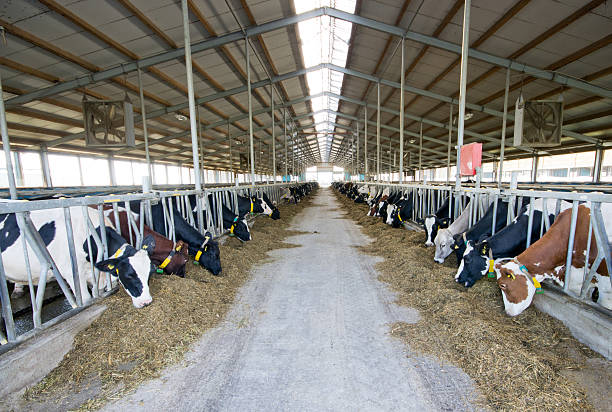
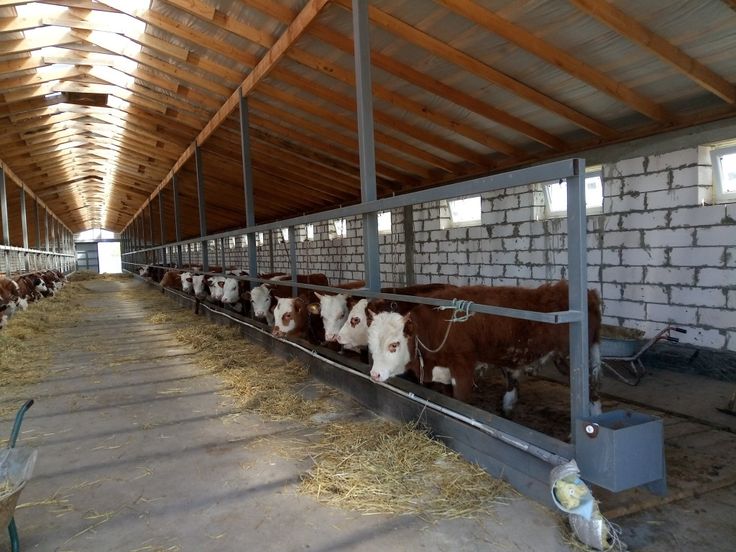
Potential buyers often judge the quality of livestock by the condition of their pens. Clean, odor-free pens reflect good management.
Reducing humidity and keeping floors dry are important steps to building a professional impression.

3. Reduce the Risk of Injury
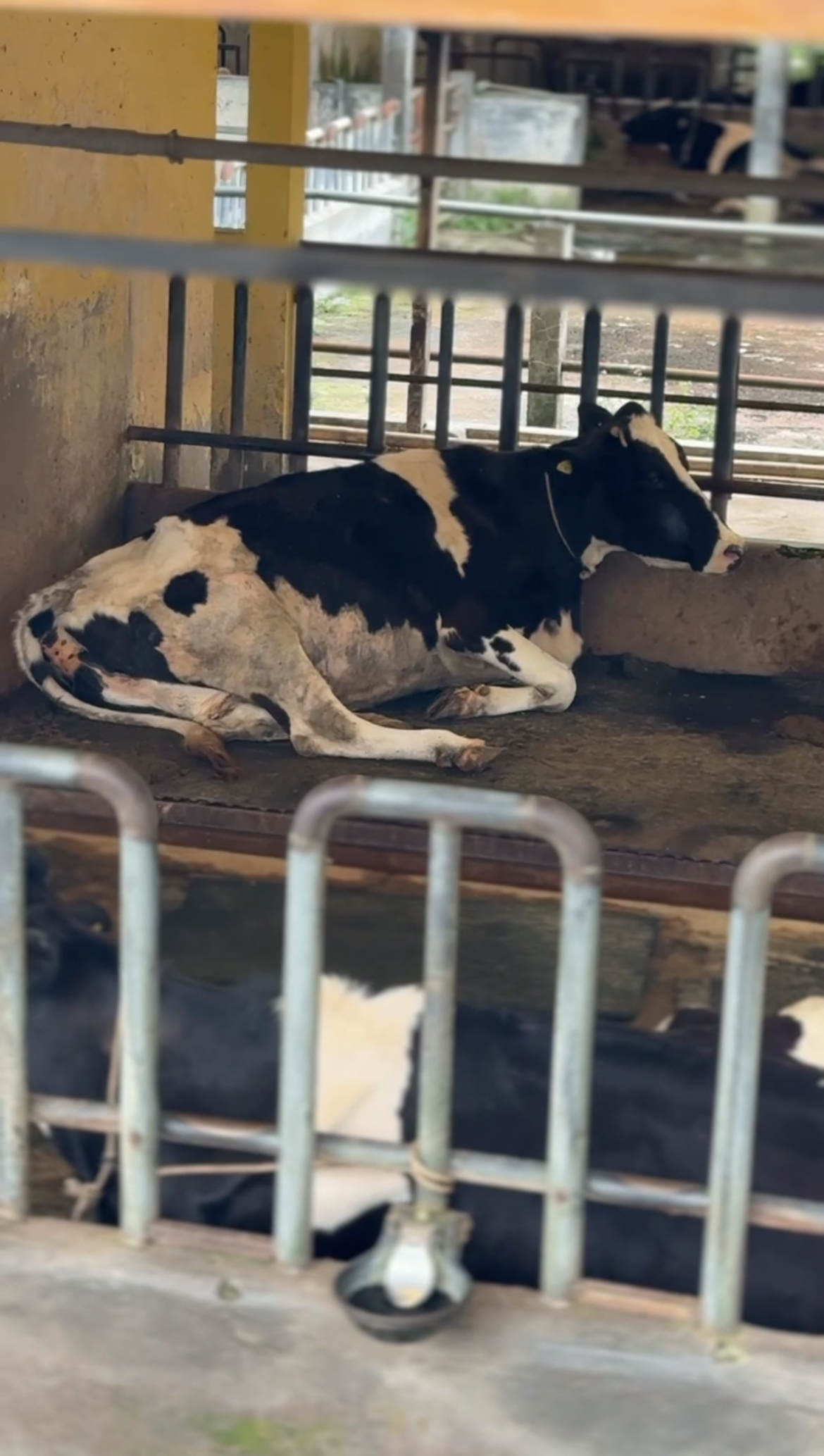
Cattle that have been injured or lame often experience a decrease in market value. Therefore, prevention is far more important than treatment.

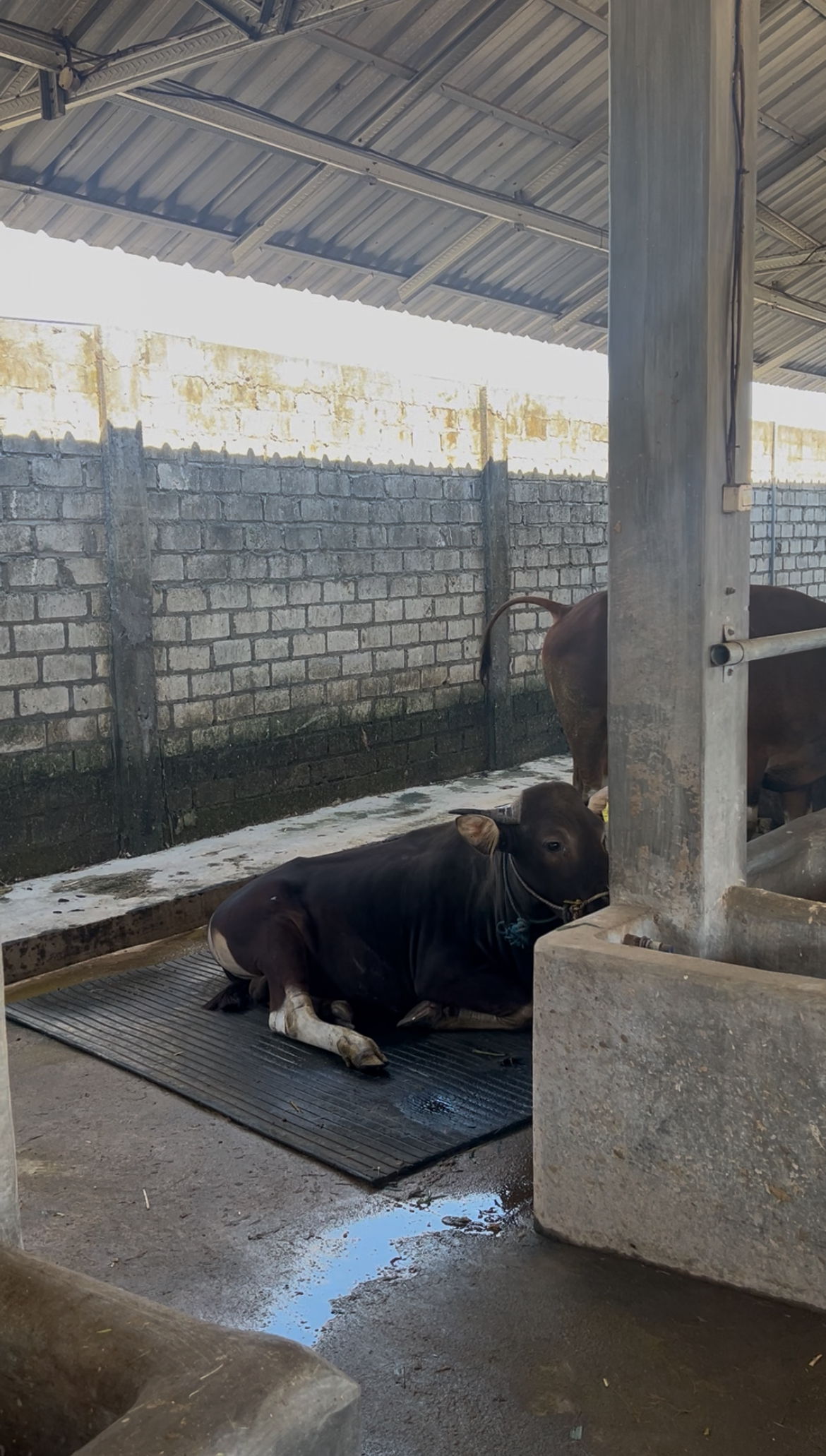
Using Predator cow mats helps create a safer and more stable footing, thus reducing the risk of injury.

4. Document the development of the cow
Photos and videos of the cattle's development over time can boost potential buyers' confidence. Showcasing clean and tidy pens can strengthen your business's image.


Conclusion
The selling price of cattle is determined not only by their weight, but also by their health, posture, and the professionalism of the breeder. With a more comfortable and safe housing system, the chances of getting the maximum price are greater.
Share Article

Predator Rubber Team

Our expert team is dedicated to providing quality information about livestock farming and animal welfare.

Expert in Animal Welfare & Quality Products

Related Articles

Cage Costs Seem Expensive? There Could Be Leaks the Breeder Has Never Noticed

Cage Costs Seem Expensive? There Could Be Leaks the Breeder Has Never Noticed

Many farmers complain that livestock costs continue to rise, even though their cattle numbers haven't increased and yields aren't optimal. Feed is regulated, medication is purchased as needed, but expenses remain high. This situation is often referred to as "over-run."leaking cage costs, coming out little by little, but steadily.The problem is, these cost leaks are rarely directly visible.A Small Fee That Seems ReasonableAdditional medication, extra vitamins, extra manpower for cage cleaning, and delayed harvest times are often considered trivial. However, when added together, these small costs can add up to a significant burden over a single period of care.The root of the problem is often not in feed management, but in barn conditions that do not support the health of the cows.Uncomfortable Cage = Ongoing CostsUncomfortable cows are more susceptible to illness, stress, and foot problems. Every small issue adds to the cost, making expenses seem endless.The previous article discussed signs of problematic barns, from rapidly developing odors to cows rarely lying down. All of these indicators are directly related to cost leakage.Stopping Leaks at the SourceRather than continuing to cover costs downstream, farmers need to stop leakage at the source. The primary focus is on housing systems, especially the cow shed floor which is the main point of contact for livestock every day.Small but targeted improvements can reduce the need for medication, reduce the risk of injury, and speed up harvest time.Cow Carpets as an Efficiency ToolUsage Predator cow rug not only does it increase comfort, but it's also a cost-effective tool. With safer and more comfortable floors, the risk of health problems is reduced and unexpected expenses are reduced.Long-term thinking ranchers are starting to see cow rugs as an investment, not an additional expense.Healthier Farms, More Controlled CostsWhen barns are improved from the ground up, the effects are felt throughout the entire livestock system. Cows are healthier, care is easier, and costs are more manageable.Predator is committed to helping Indonesian farmers stop the leakage of cage costs with real solutions that can be implemented immediately.

Read More
Thick vs Thin Cow Carpet: Which is Better for a Barn?

Thick vs Thin Cow Carpet: Which is Better for a Barn?

When choosing cow shed carpet many breeders focus solely on price. However, carpet thickness also significantly determines comfort and durability in the enclosure.Carpets that are too thin tend to wear out more quickly, tear easily, and are less comfortable for cows to walk on. Thick cow hide carpet has better durability for long-term use.Why is Carpet Thickness Important?Cows are heavy and engage in high levels of daily activity within their pens. Using low-quality or too thin carpet will cause the surface to wear out more quickly due to constant pressure.Therefore, many breeders are now starting to choose rubber cow carpet to make it more durable and comfortable to use.The Difference Between Thick and Thin Cow CarpetsThin Cow CarpetThin carpets are usually cheaper, but tend to be less durable.Disadvantages of thin carpets:- Breaks down faster- Easy to tear- Less comfortable for cows- Cannot withstand heavy useThick Cow CarpetThick carpets are designed for long-term use and are stronger to withstand the weight of cows.Its advantages:- More durable- Anti slip- Softer footing- Suitable for intensive cages- Helps improve livestock comfortTips for Choosing Quality Cow Shed CarpetsBefore purchasing, make sure you pay attention to the following things:- Choose quality rubber material- Use a non-slip surface- Adjust the thickness to the cage requirements- Make sure the carpet is not easily torn- Choose the size that fits the cage areaDon't be tempted by low prices. Quality carpets do cost more upfront, but they're more economical in the long run because they don't need to be replaced as often.Solutions for a More Comfortable CageUsageanti-slip rubber cow carpetis a practical solution for modern livestock farming. Besides helping to keep cows safe, quality carpets also make the barn look neater and more professional.By choosing the right carpet, farmers can create a safer, more comfortable, and more durable barn environment to support livestock productivity.

Read More
Hidden Costs of Lame Cows in the Pen

Hidden Costs of Lame Cows in the Pen

Lameness in cattle is a serious problem in fattening farms. Many farmers only realize the damage after the condition has become severe. However, the underlying cause often stems from the system.suboptimal cow shed floor.Causes of Lameness in Cows- Surface is too hard- Slippery floor- Excessive pressure on the joints- Unstable nails- Humid environmentLarge cattle are particularly susceptible to floor pressure. Without cushioning, joints can slowly become inflamed.Losses Incurred- Daily weight gain decreased- Reduced feed consumption- Medical costs are increasing- Risk of secondary infection- The selling price of cattle has fallen drasticallyIn a 3-month fattening period, a 0.3 kg per day decrease in growth can mean a loss of tens of kilograms in final weight.Lameness in cattle is not only a health issue, but also a serious threat to profits. Using a flooring system with high damping and stability, such as Predator Cow Carpet helps reduce excessive pressure on the cow's joints and hooves. Early prevention is far more cost-effective than treatment costs and potential reduction in market value.Preventing lameness in cattle through a comfortable housing system is much more economical than treating it.

Read More
Conventional Cages vs. Modern Cages: Which is More Profitable for Farmers?

Conventional Cages vs. Modern Cages: Which is More Profitable for Farmers?

In the world of cattle farming, there is still much debate about whether to maintain traditional housing systems or switch to more modern ones. Some farmers feel that conventional housing is sufficient, as long as the cattle can still eat and grow. However, more and more farmers are realizing that housing comfort significantly impacts long-term productivity and costs.So, what's the difference between a conventional cage and a modern cage? And which is more profitable?1. Floor Structure and ComfortConventional pens generally use plain cement or dirt floors. While they may seem sturdy and simple, they can cause long-term problems, such as being slippery, damp, and hard on the cows' feet.Meanwhile, modern barns place greater emphasis on comfort, particularly on the floors of the cow pens. Surfaces are made safer, non-slip, and allow cows to stand and lie down comfortably.These differences may seem small, but they have a huge impact on the health of the cow's feet and stress levels.2. Impact on Livestock HealthIn a typical barn, problems such as limping, injured hooves, and odor are often considered normal. However, these conditions are actually signs that the environment is not optimal.Modern pens are designed to minimize these risks. Cows are more stable when walking, lie down more often, and tend to grow more consistently.A comfortable environment helps maintain the cow's immune system and reduces the need for additional medication.3. Long-Term Cost EfficiencyMany breeders believe that modern cages require a higher initial cost. However, what is often overlooked are the hidden costs of conventional cages: medication, vitamin supplements, the risk of injury, and longer harvest times.With a better housing system, these costs can be reduced. This means efficiency isn't just about initial cost, but also about long-term stability.4. The Role of Cow Carpets in Modernizing ShedsOne practical step toward a modern barn without major renovations is the use of Predator cattle carpet. This carpet helps create a more comfortable, non-slip floor that's easier to clean.With the addition of the right flooring system, a standard barn can be upgraded without having to rebuild from scratch.5. Investment or Expense?The biggest question farmers often have is: is improving the barn an investment or just an extra expense?The answer depends on your perspective. If a more comfortable barn can improve cow health, accelerate growth, and reduce maintenance costs, then it's a worthwhile investment.ConclusionA standard cage may seem adequate, but modern cages offer greater stability and efficiency in the long run. Farmers looking to expand their livestock operations should consider upgrading their housing system as part of their business strategy.Predator is here to support Indonesian farmers in creating more comfortable, safe, and profitable cattle pens.

Read More
Link copied successfully!