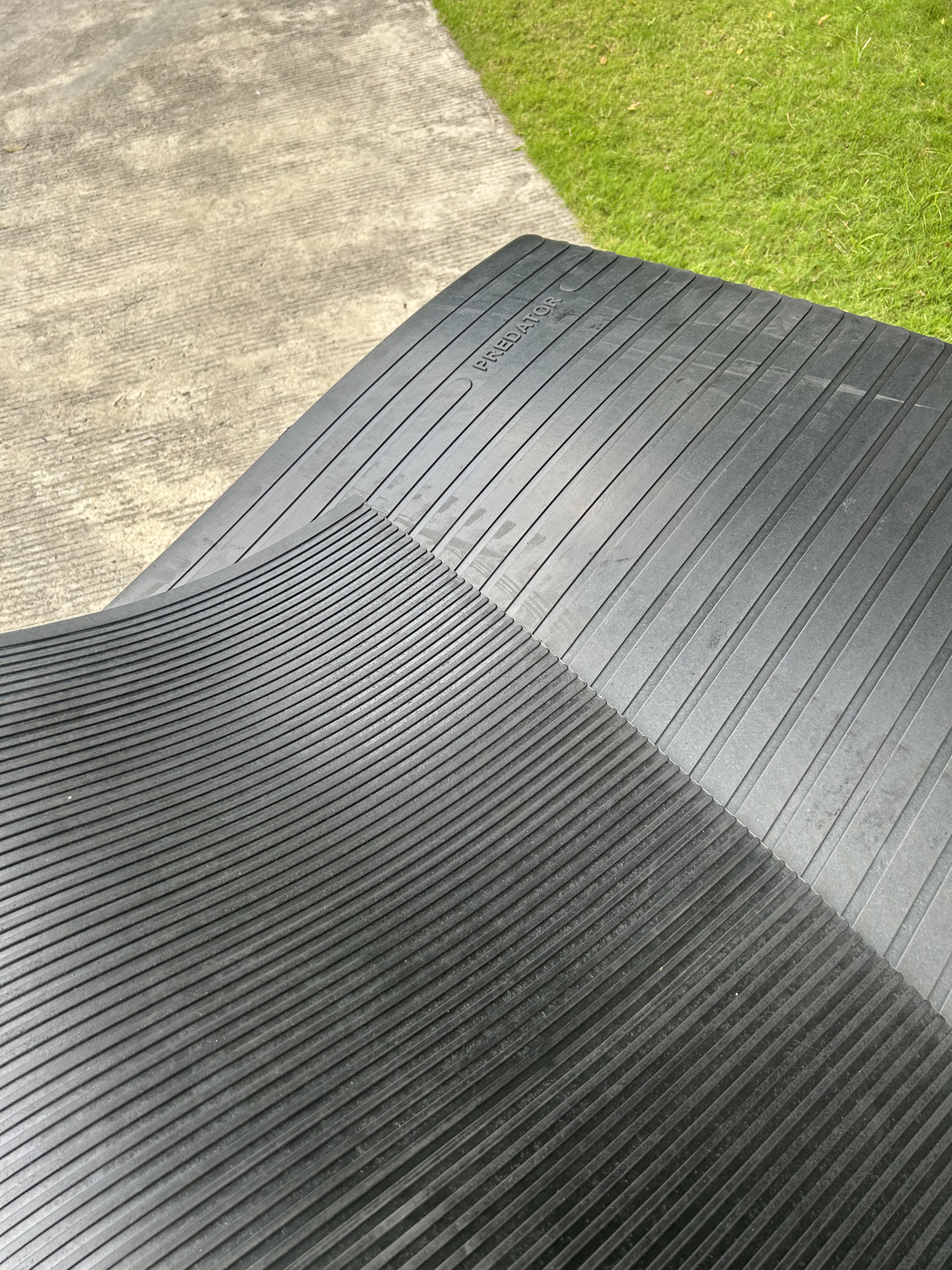
Thick vs Thin Cow Carpet: Which is Better for a Barn?
Artikel Peternakan
2 min read

Thick vs Thin Cow Carpet: Which is Better for a Barn?

15 May 2026
1 week ago
When choosing cow shed carpet many breeders focus solely on price. However, carpet thickness also significantly determines comfort and durability in the enclosure.

Carpets that are too thin tend to wear out more quickly, tear easily, and are less comfortable for cows to walk on. Thick cow hide carpet has better durability for long-term use.


Why is Carpet Thickness Important?
Cows are heavy and engage in high levels of daily activity within their pens. Using low-quality or too thin carpet will cause the surface to wear out more quickly due to constant pressure.
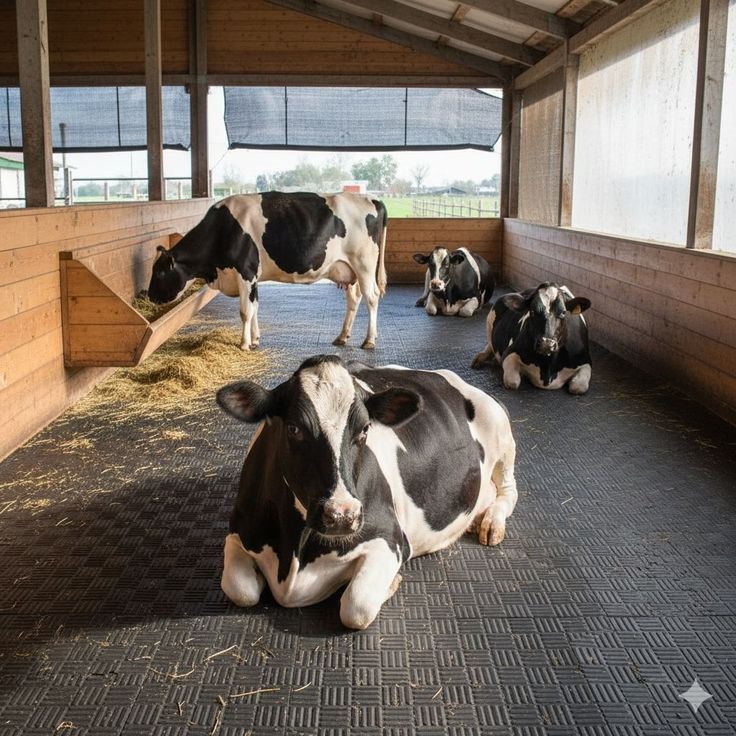
Therefore, many breeders are now starting to choose rubber cow carpet to make it more durable and comfortable to use.

The Difference Between Thick and Thin Cow Carpets

Thin Cow Carpet
Thin carpets are usually cheaper, but tend to be less durable.
Disadvantages of thin carpets:
- Breaks down faster
  • - Easy to tear
  • - Less comfortable for cows
  • - Cannot withstand heavy use

Thick Cow Carpet
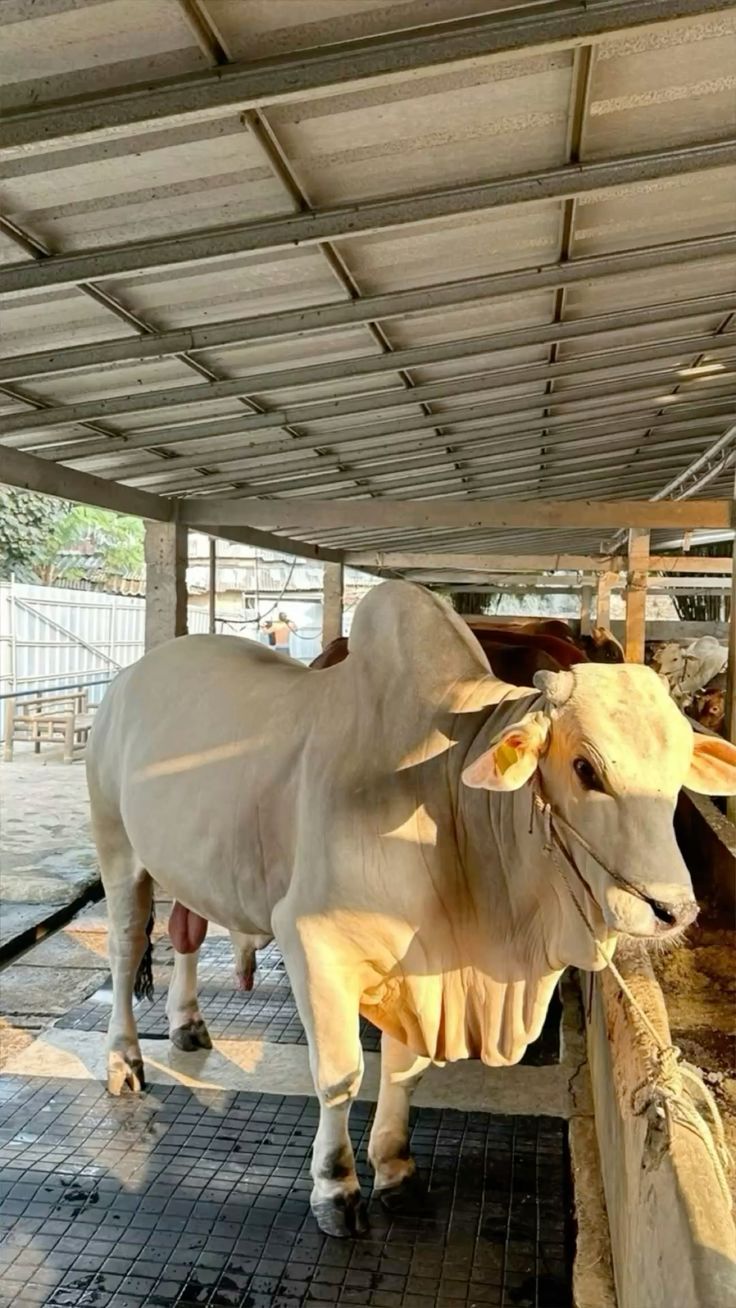
Thick carpets are designed for long-term use and are stronger to withstand the weight of cows.
Its advantages:
- More durable
  • - Anti slip
  • - Softer footing
  • - Suitable for intensive cages
  • - Helps improve livestock comfort

Tips for Choosing Quality Cow Shed Carpets
Before purchasing, make sure you pay attention to the following things:
- Choose quality rubber material
  • - Use a non-slip surface
  • - Adjust the thickness to the cage requirements
  • - Make sure the carpet is not easily torn
  • - Choose the size that fits the cage area
    Don't be tempted by low prices. Quality carpets do cost more upfront, but they're more economical in the long run because they don't need to be replaced as often.


Solutions for a More Comfortable Cage
Usageanti-slip rubber cow carpetis a practical solution for modern livestock farming. Besides helping to keep cows safe, quality carpets also make the barn look neater and more professional.
By choosing the right carpet, farmers can create a safer, more comfortable, and more durable barn environment to support livestock productivity.

Share Article

Predator Rubber Team

Our expert team is dedicated to providing quality information about livestock farming and animal welfare.

Expert in Animal Welfare & Quality Products

Related Articles

Daily Checklist for Dairy Farmers to Maintain Stable Production

Daily Checklist for Dairy Farmers to Maintain Stable Production

Stable milk production does not happen by chance, but through consistent daily routines. One of the most important daily checks is cow health. Changes in appetite, behavior, or udder condition often indicate early health issues that need prompt attention.Barn hygiene should also be a daily priority. Dry floors, proper drainage, and clean milking areas help reduce the risk of milk contamination and disease. Simple cleaning routines performed daily are far more effective than infrequent deep cleaning.Feed and water management must be monitored every day. Dairy cows require constant access to clean water and consistent rations to maintain stable rumen function. Checking feed leftovers can also help evaluate whether the ration meets the cows’ needs.Milking procedures should be carried out correctly and at consistent times. Pre- and post-milking teat checks, along with clean milking equipment, strongly influence milk quality. With a simple but disciplined daily checklist, farmers can maintain cow health, milk quality, and long-term production stability.

Read More
Cow sheds quickly smell, not because they are rarely cleaned, but because of this

Cow sheds quickly smell, not because they are rarely cleaned, but because of this

Many farmers complain about the same problem: cow sheds smell quickly, despite routine cleaning and spraying every day. The ammonia odor persists, the cows appear uncomfortable, and the surrounding environment is disturbed. If you experience this, the problem is likely not with the frequency of cleaning the pen, but with the pen system itself.This article discusses the main causes of smelly coops that are often overlooked by farmers, as well as realistic solutions that can be implemented without major renovations.Too Much Water Just Makes the Odor WorseSpraying the cage with water is intended to clean up waste. However, if done without a supportive flooring system, the water will stagnate and increase humidity. This dampness accelerates the development of ammonia odors.A stall floor that takes longer to dry allows urine and manure to mix. As a result, even if the stall appears clean, the odor persists within hours.The Cage Floor is a Determining FactorOne of the main causes of cow sheds smelling quickly is cage floor which are unable to manage fluids properly. Plain cement or dirt floors absorb water and urine, then release it back as odor.Besides the smell, constantly wet floors also increase the risk of slipping and hoof problems in cattle. This combination of problems is often taken for granted, yet it has significant impacts on livestock health.Barn Odor Has a Direct Impact on ProductivityPungent odors not only bother humans but also affect the well-being of cows. An uncomfortable barn environment can easily cause cows to become stressed, lose their appetite, and reduce their rest time.If left untreated, this condition can lead to suboptimal growth and increased maintenance costs. In other words, cage odor is an early sign that the housing system needs improvement.Cow Carpet as an Odor Control SolutionOne solution that is starting to be implemented by many breeders is the use of Predator cow rugs. This carpet helps reduce standing water, keeps the floor surface dry, and minimizes direct contact between cows and urine.With a drier floor, the barn cleaning process is more effective and odors are less likely to develop. Furthermore, the cows feel more comfortable standing and lying down.A Healthy Coop Starts with the Right SystemAddressing barn odor isn't about adding perfume or spraying more frequently, but rather improving the basic barn system. Focusing on the barn floor and cow comfort is the most sensible first step.Predator is here to help Indonesian cattle farmers create healthier, odor-free cattle pens that support livestock productivity. Because good pens not only look clean but also feel comfortable for the cows.

Read More
The Impact of Barn Cleanliness on Milk Quality and Grading

The Impact of Barn Cleanliness on Milk Quality and Grading

Barn cleanliness has a direct impact on the quality of milk produced by dairy cows. Dirty and humid barn environments increase exposure to pathogenic bacteria, particularly those originating from manure and urine. These conditions raise the risk of milk contamination during milking, increase the Total Plate Count (TPC), and elevate the likelihood of mastitis, which is one of the main causes of declining milk grades.Poor barn hygiene also affects cow comfort. Cows that frequently lie on wet or dirty floors are more prone to udder infections and skin lesions. As a result, milk quality declines, bacterial levels rise, and milk may be rejected or priced lower by dairy processors. FAO states that poor barn hygiene practices are directly correlated with higher incidences of both clinical and subclinical mastitis in dairy cows.Maintaining barn cleanliness does not have to be complicated. Regular cleaning, proper drainage systems, adequate ventilation, and the use of bedding that is easy to clean and remains dry can significantly reduce contamination risks. A clean barn supports healthier cows, better milk quality, and more consistent milk grades, ultimately having a direct impact on farmers’ income.

Read More
Eid al-Adha Preparations: Farmers' Strategies for Selling Cattle and Maximizing Prices

Eid al-Adha Preparations: Farmers' Strategies for Selling Cattle and Maximizing Prices

Eid al-Adha is a highly anticipated occasion for cattle breeders. Demand increases dramatically, prices tend to rise, and profit opportunities are plentiful. However, high demand also means fierce competition. Breeders who don't prepare thoroughly could miss out on this golden opportunity.In order for the cattle to be ready for sale and provide maximum results, preparations for Eid al-Adha must begin long before the big day.1. Ensure the cow's physical condition is optimal.As Eid al-Adha approaches, prospective buyers pay close attention to the physical condition of cattle. Body weight, posture, clean coat, and strong legs are key indicators of quality.Healthy and active cattle will sell more easily at a good price. Therefore, ensure stable feed management, adequate nutritional intake, and the absence of health problems that could hinder growth.Housing conditions also play a crucial role. Cows in comfortable housing tend to have lower stress levels and optimal growth.2. Pay attention to the health of your feet and nails.One common problem that arises before a sale is limping or leg problems. This condition can significantly reduce the selling price.Hard, slippery barn floors are a major cause of foot problems in cattle. Therefore, it's important to ensure cows shed floor safety and do not cause injury.Usage Predator cow rug this helps reduce pressure on the legs and creates a more stable footing. This reduces the risk of limping cattle approaching sale time.3. Maintain Cleanliness and Odor of the CagePotential buyers often come directly to the cages. A clean, odor-free cage creates a professional impression and increases trust.Excessive humidity can cause a strong odor and make the cows look poorly cared for. Ensure proper drainage and that the floor is not prone to flooding.A comfortable and dry pen not only improves the health of the cows, but also builds the image of a farmer who is serious about managing his business.4. Set a Sales Strategy EarlyBesides technical aspects, marketing strategy is also important. Start promoting early through social media, marketplaces, or established customer networks.Show photos and videos of cattle in their best condition. Active, clean, and upright cattle will be more appealing to potential buyers.5. Prepare the Cage for Activity SpikesAs Eid al-Adha approaches, activity in the barn increases. Many potential buyers arrive, reweighings are carried out, and cattle mobility is increased. Ensure the barn is secure and non-slip to reduce the risk of injury during this increased activity.A good housing system will help maintain the stability of the cow's condition until the day of delivery.Maximize the Momentum of Eid al-AdhaEid al-Adha isn't just about selling cattle, but also about maintaining quality right up until the final day. Farmers who focus on health, stable comfort, and marketing strategies will have a better chance of getting the maximum price.Predator supports Indonesian cattle farmers by providing comfortable and safe cattle housing solutions. With the right flooring system, cattle are healthier, more marketable, and more valuable.Start preparing for Eid al-Adha now. Success on this holiday depends on early preparation.

Read More
Link copied successfully!