Predator Rubber Team
Our expert team is dedicated to providing quality information about livestock farming and animal welfare.
Related Articles
The Impact of Barn Cleanliness on Milk Quality and Grading
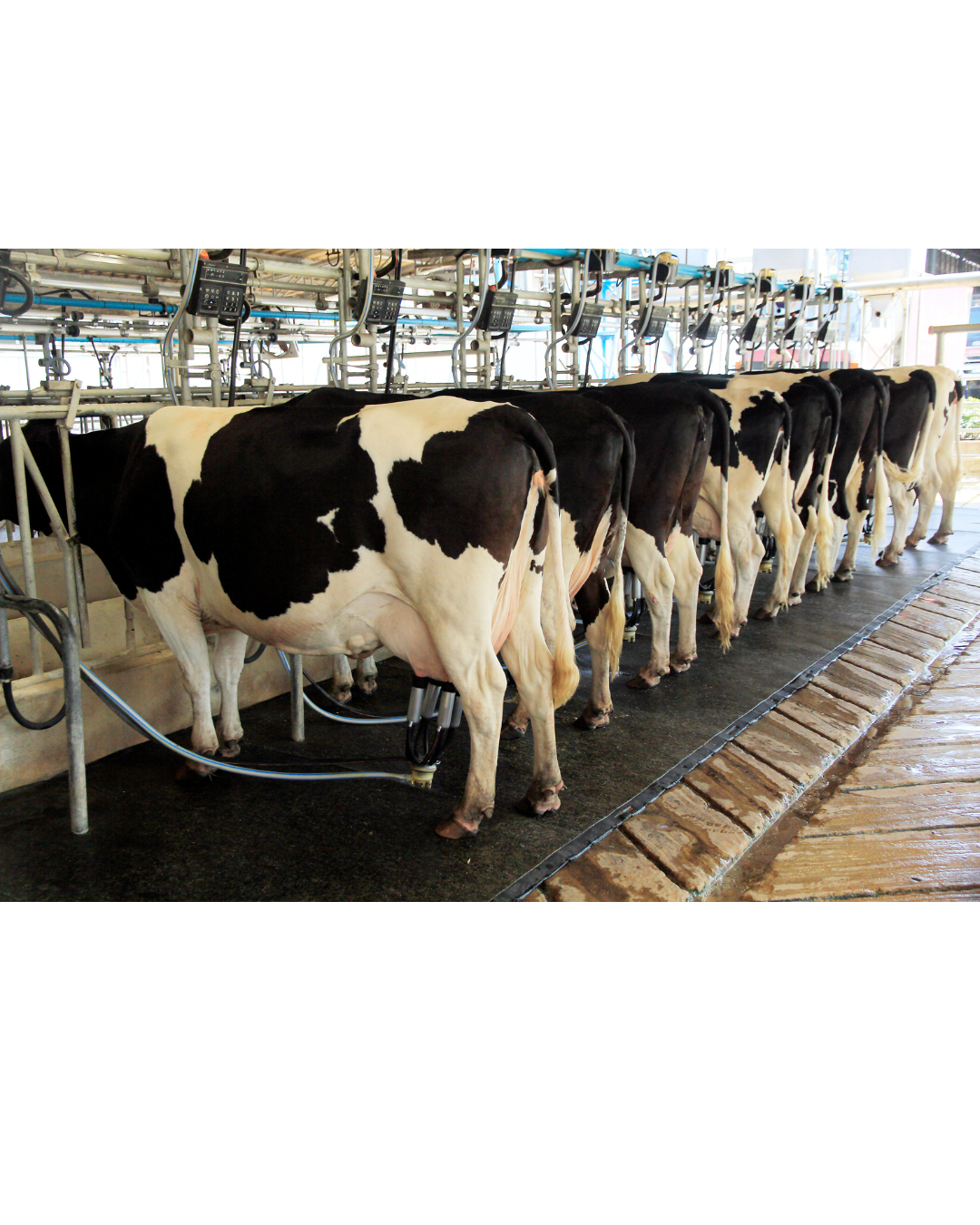
Barn cleanliness has a direct impact on the quality of milk produced by dairy cows. Dirty and humid barn environments increase exposure to pathogenic bacteria, particularly those originating from manure and urine. These conditions raise the risk of milk contamination during milking, increase the Total Plate Count (TPC), and elevate the likelihood of mastitis, which is one of the main causes of declining milk grades.Poor barn hygiene also affects cow comfort. Cows that frequently lie on wet or dirty floors are more prone to udder infections and skin lesions. As a result, milk quality declines, bacterial levels rise, and milk may be rejected or priced lower by dairy processors. FAO states that poor barn hygiene practices are directly correlated with higher incidences of both clinical and subclinical mastitis in dairy cows.Maintaining barn cleanliness does not have to be complicated. Regular cleaning, proper drainage systems, adequate ventilation, and the use of bedding that is easy to clean and remains dry can significantly reduce contamination risks. A clean barn supports healthier cows, better milk quality, and more consistent milk grades, ultimately having a direct impact on farmers’ income.
Read More
Premium Cow Shed Carpet: A Comfortable Solution for Healthier and More Productive Cows
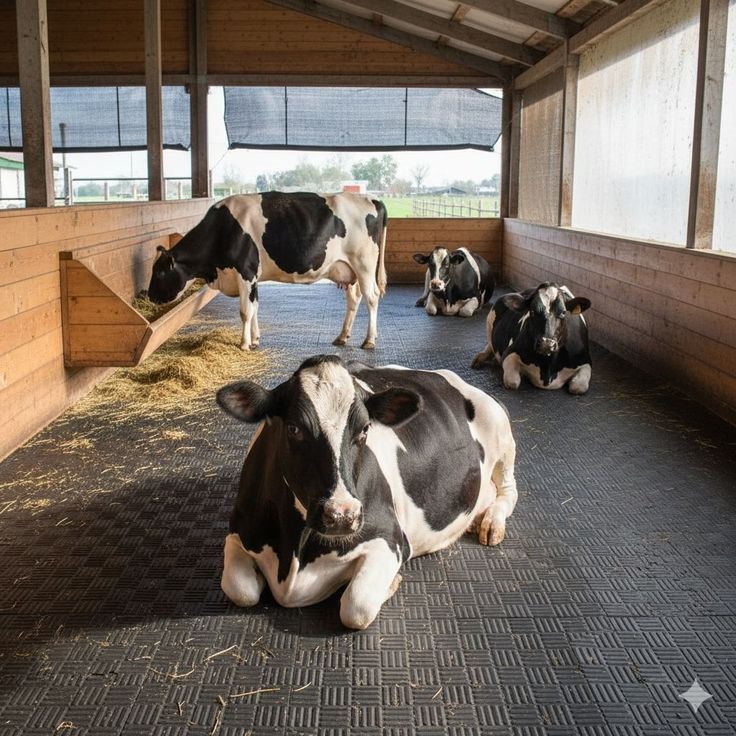
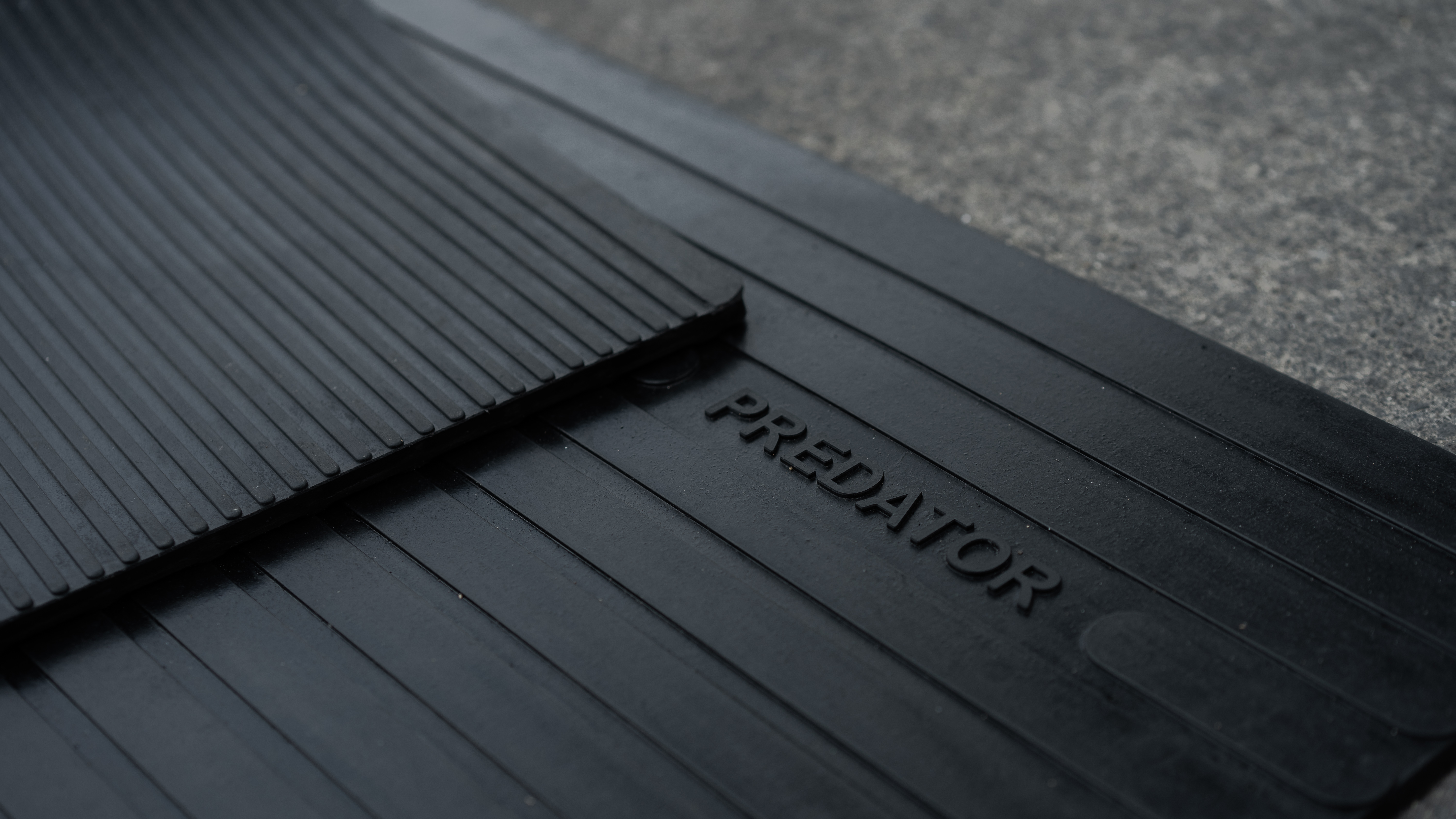
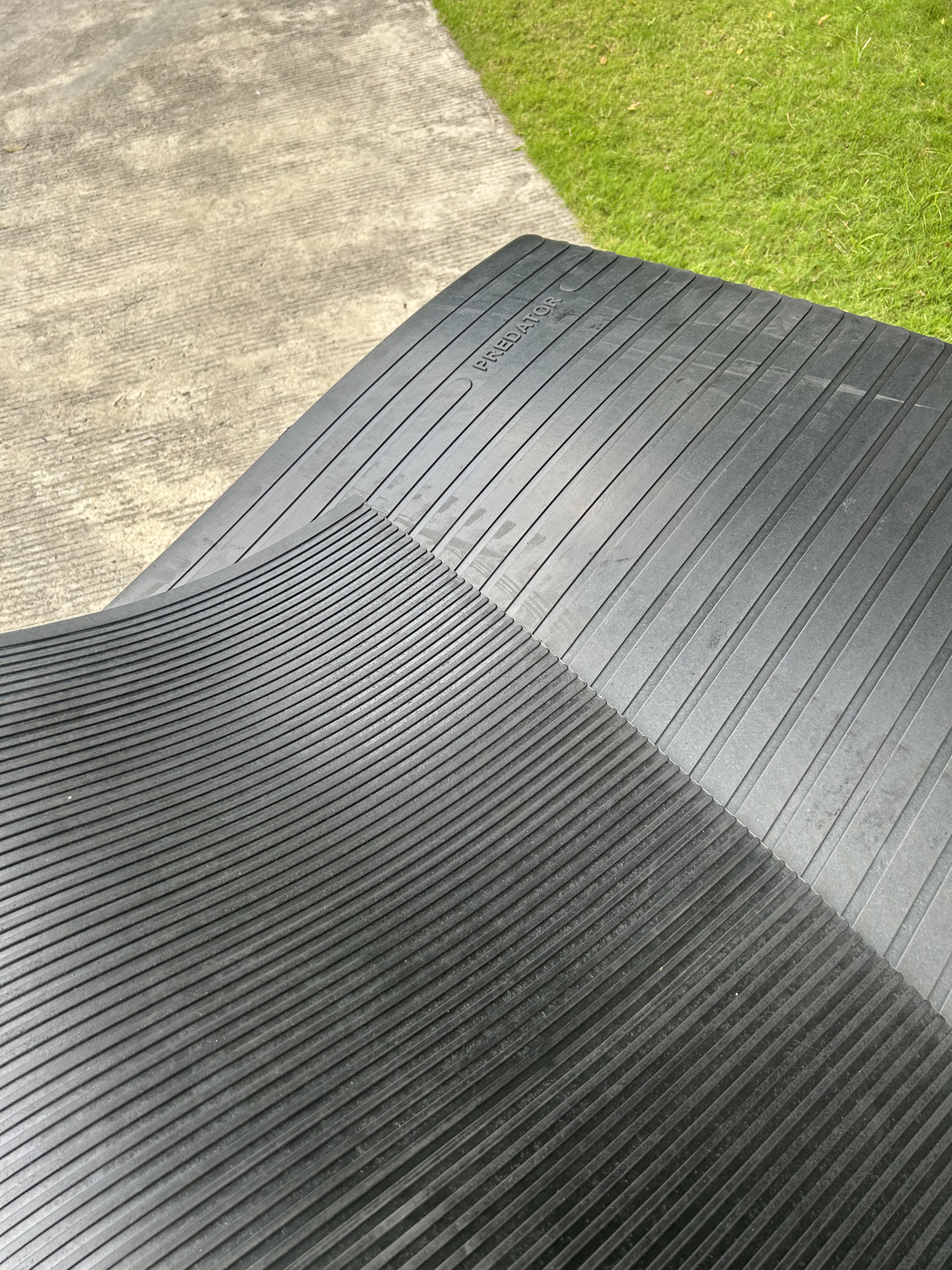
What is a Cow Shed Carpet?Cow stall mats are special mats made from high-quality rubber used to improve comfort and hygiene inside the stall. These products are designed to reduce the risk of injury, maintain hygiene, and improve overall livestock performance.Benefits of Cow Shed Carpets for Farmers1. Improve Cow HealthThe soft carpet surface helps reduce pressure on the cow's feet, thereby minimizing the risk of injuries and foot diseases such as lameness.2. Cleaner and More Hygienic CagesRubber carpets do not absorb dirt, so they are easier to clean than regular cement floors.3. Reducing Stress in LivestockComfortable cows will be calmer, less stressed, and have a direct impact on increasing the weight and quality of production.4. More Durable and Long LastingPremium carpets have high resistance to heavy pressure and humid cage conditions.Why Should You Use Cow Shed Carpets Directly from Manufacturers?Buying directly from the manufacturer offers many advantages:- More affordable prices without intermediaries- Quality assured with strict QC process- Can customize the size according to cage needs- Direct consultation support from expertsCharacteristics of Quality Cow Shed CarpetsBefore purchasing, make sure the carpet has the following specifications:- Ideal thickness (12mm, 14mm, up to 16mm)- Anti-slip surface (not slippery)- Not easy to crack or break- Elastic yet strong- Resistant to water and cage wasteComparison of Cow Carpet ThicknessChoosing the thickness of the cow shed carpet is very important because it directly affects the comfort and durability of use.Carpet with thickness 12mm It's usually the most economical option. It's suitable for small-scale farms or for farmers just starting to invest in comfortable housing.Meanwhile, the thickness 14mm It offers a balance between price and quality. This type is widely used by medium-scale livestock farmers because it is soft, strong, and durable enough for daily use.For maximum needs, carpet with thickness 16mm is the best choice. This carpet is softer, more resistant to heavy pressure, and is ideal for intensive farming where cow comfort and long-term durability are paramount.The Impact of Carpet Use on Cattle ProductivityMany farmers are beginning to realize that the comfort of their pens significantly impacts livestock production. By using carpets:- Cows rest more often- Increased appetite- More optimal growth- The risk of loss due to injury is reducedConclusionCow barn carpeting is not just an accessory, but a crucial investment in improving the quality of livestock farming. By choosing the right product, farmers can improve efficiency, livestock health, and long-term profitability.
Read More
Rainy Season and the Challenges of Modern Cow Sheds
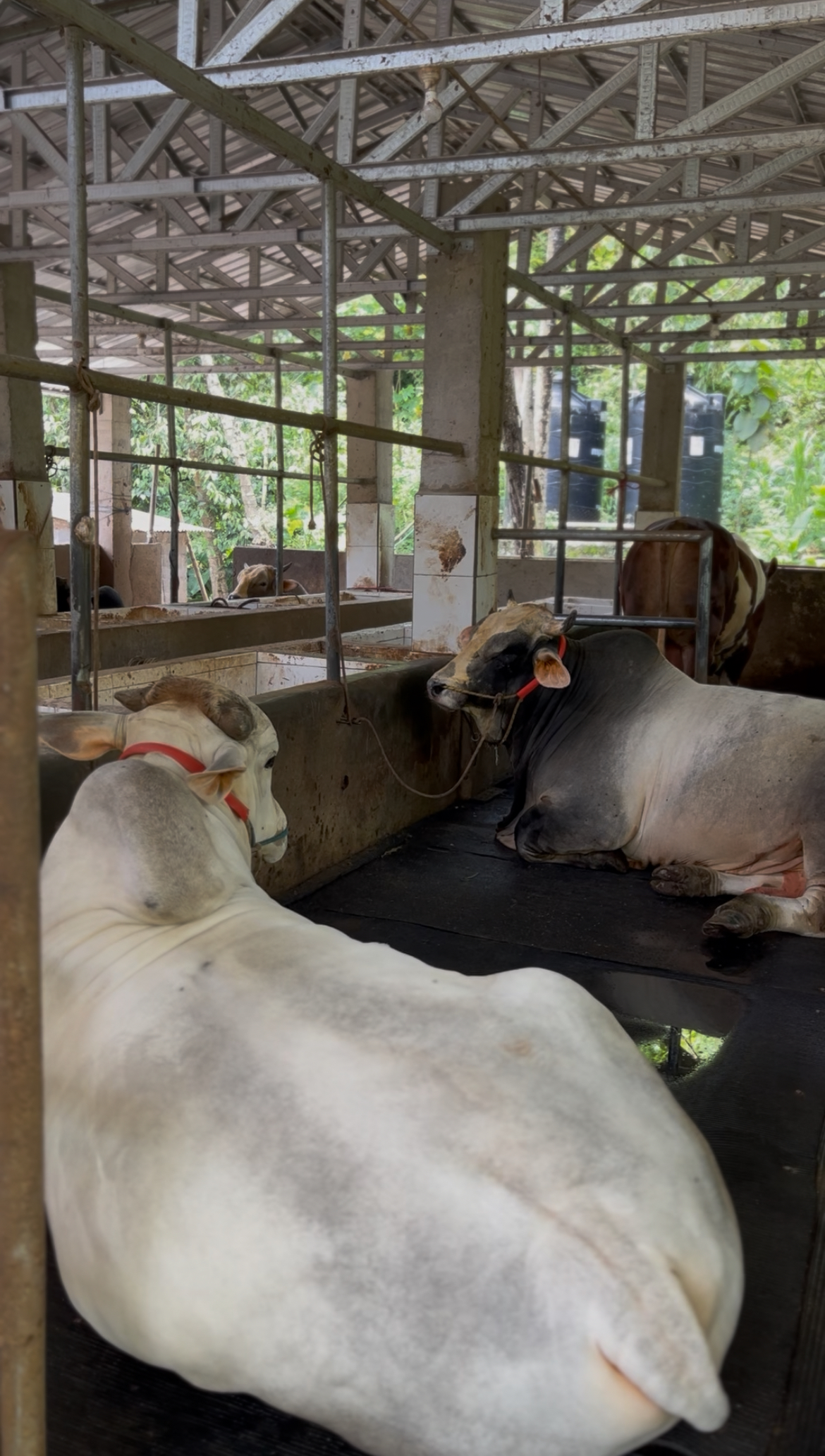
The rainy season brings great risks for beef cattle. High humidity can worsen floor conditions and increase the risk of nail disease.Common Problems During the Rainy Season- Wet floor- Puddle- The smell increases- The cow is reluctant to lie down- Risk of nail infectionFloors that are too cold and wet make cows uncomfortable. As a result, they rest less and stress increases.How to Anticipate- Make sure the floor slope is sufficient- Use a flooring system that does not absorb water- Repair the drainage channels- Increase the frequency of cleaningModern cattle housing systems must be able to adapt to seasonal changes. Investing in the right flooring structure helps maintain stable productivity throughout the year.When the rainy season arrives, humidity and the risk of muddy floors increase.Predator Cow CarpetIt's designed to resist water absorption, remain stable in wet conditions, and help keep cattle secure. Ensure your barn is ready for the rainy season without compromising livestock comfort and productivity.
Read More
Heat Stress in Cattle: A Hidden Threat That Reduces Productivity
Besides the rainy season, the dry season also presents significant challenges for cattle farmers. High temperatures and poor air circulation can trigger heat stress in livestock. This condition often goes unnoticed at first, but its impact on cattle growth and health is very significant.Understanding the causes and how to address them is an important step to maintaining stable productivity throughout the year.What is Heat Stress in Cattle?Heat stress occurs when the environmental temperature exceeds the cow's comfort level. The cow's body works harder to reduce the temperature, so energy that should be used for growth is instead used to defend against the heat.The signs include:- The cow is panting- Decreased appetite- Standing and fidgeting more often- Water consumption has increased drasticallyIf this condition persists for a long time, it can be difficult to gain weight and the risk of disease increases.Cages Play a Big Role in Reducing StressMany farmers focus on adding vitamins or supplements during the summer, but forget that housing conditions are a key factor. Hot, humid, and poorly ventilated housing exacerbates cow stress.The heat-retaining floor of the barn also discourages cows from lying down, even though rest time is crucial for energy recovery.The Importance of a More Comfortable FloorFloor surfaces that are too hard and hot can increase discomfort. Cows will be standing more frequently, increasing pressure on their feet and increasing the risk of injury.Usage Predator cow rug this helps create a more comfortable surface that doesn't absorb heat as readily as cement floors. With more stable footing, cows can rest more comfortably even when the ambient temperature rises.Strategies for Facing the Dry SeasonSome steps that breeders can take:- Ensure optimal cage ventilation- Provide access to sufficient drinking water- Reduce the density of cattle in the pen- Improve the floor system to prevent overheating.A more comfortable pen will help cows get through the dry season without a significant decrease in performance.Stable Productivity Throughout the SeasonFarmers who understand the importance of barn management focus not only on feed but also on the livestock environment. With the right barn system, the risk of heat stress can be reduced and cattle growth can be optimal.Predator supports Indonesian farmers in creating more comfortable and safe cattle pens in various weather conditions.
Read More
Thick vs Thin Cow Carpet: Which is Better for a Barn?
When choosing cow shed carpet many breeders focus solely on price. However, carpet thickness also significantly determines comfort and durability in the enclosure.Carpets that are too thin tend to wear out more quickly, tear easily, and are less comfortable for cows to walk on. Thick cow hide carpet has better durability for long-term use.Why is Carpet Thickness Important?Cows are heavy and engage in high levels of daily activity within their pens. Using low-quality or too thin carpet will cause the surface to wear out more quickly due to constant pressure.Therefore, many breeders are now starting to choose rubber cow carpet to make it more durable and comfortable to use.The Difference Between Thick and Thin Cow CarpetsThin Cow CarpetThin carpets are usually cheaper, but tend to be less durable.Disadvantages of thin carpets:- Breaks down faster- Easy to tear- Less comfortable for cows- Cannot withstand heavy useThick Cow CarpetThick carpets are designed for long-term use and are stronger to withstand the weight of cows.Its advantages:- More durable- Anti slip- Softer footing- Suitable for intensive cages- Helps improve livestock comfortTips for Choosing Quality Cow Shed CarpetsBefore purchasing, make sure you pay attention to the following things:- Choose quality rubber material- Use a non-slip surface- Adjust the thickness to the cage requirements- Make sure the carpet is not easily torn- Choose the size that fits the cage areaDon't be tempted by low prices. Quality carpets do cost more upfront, but they're more economical in the long run because they don't need to be replaced as often.Solutions for a More Comfortable CageUsageanti-slip rubber cow carpetis a practical solution for modern livestock farming. Besides helping to keep cows safe, quality carpets also make the barn look neater and more professional.By choosing the right carpet, farmers can create a safer, more comfortable, and more durable barn environment to support livestock productivity.
Read More