Slippery Cow Shed Floors: A Risk of Injury That Threatens Profits
01 April 2026
1 month ago
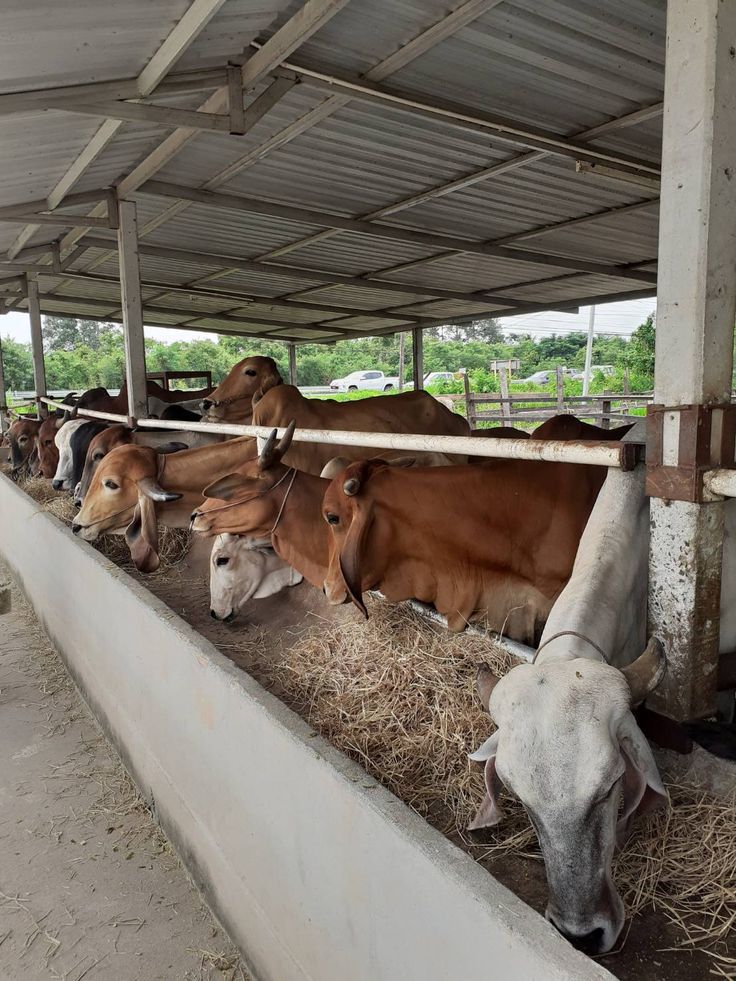
Slippery cow barn floors are a major cause of injury on modern farms. Many farmers focus on feed and nutrition, but forget thatanti-slip cage floorvery important for livestock safety.
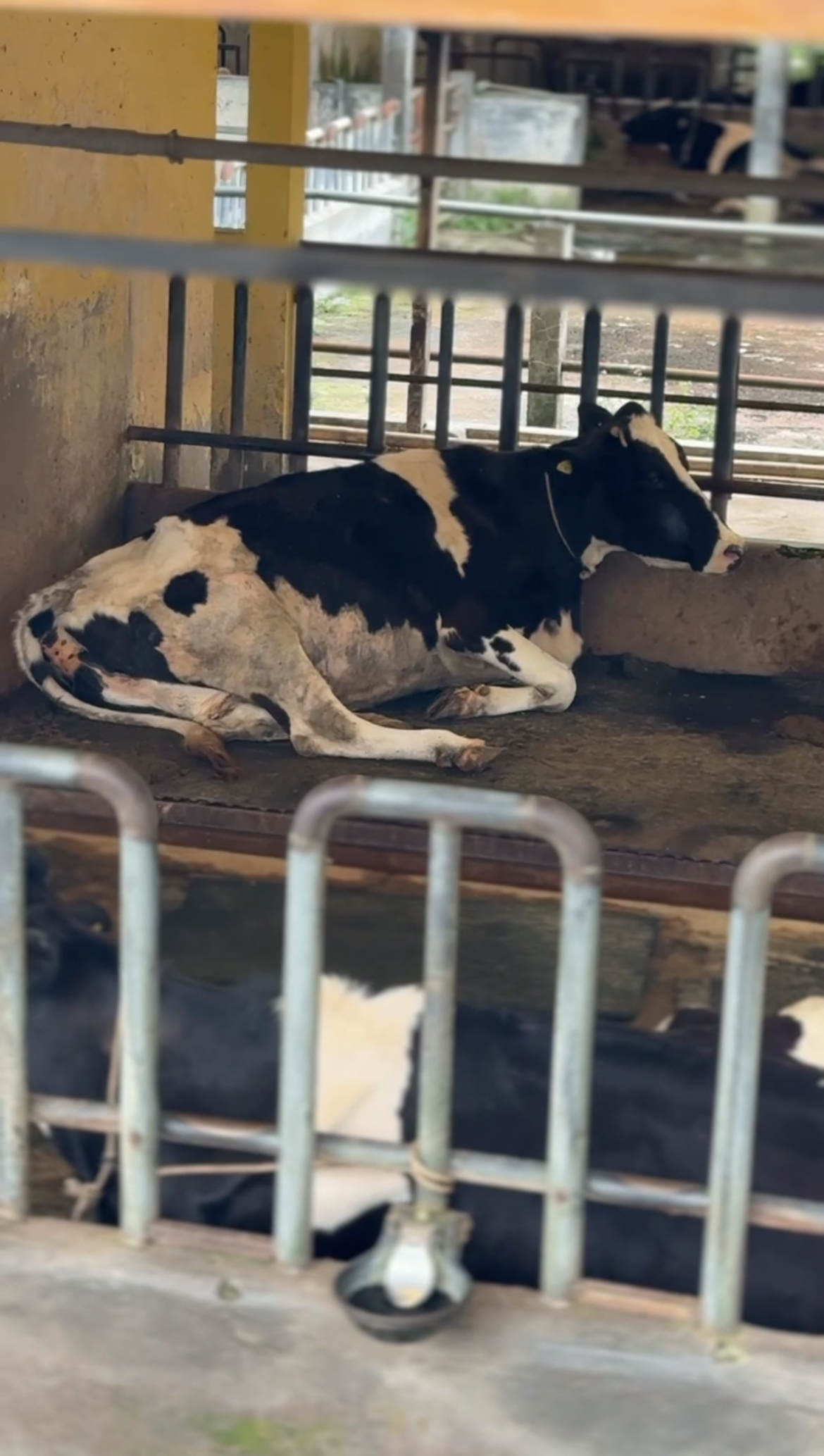
Large cattle have a high center of gravity. When standing or sitting, they need stable footing. If the stall floor is slippery, the risk of slipping is very high.
The Dangers of Slippery Floors for Cows Common injuries include: - Injury to the knee
- Muscle bruise
- Joint injury
- Cracked nails
- Permanent limp
Cows that have slipped often become more alert and stressed. They will stand longer and be reluctant to lie down, which ultimately affects their performance.beef cattle productivity.
The Invisible Financial Impact The costs of injury extend beyond medical expenses. Other impacts include: - Final weight loss
- FCR worsens
- Selling value down
- Risk of not passing buyer selection
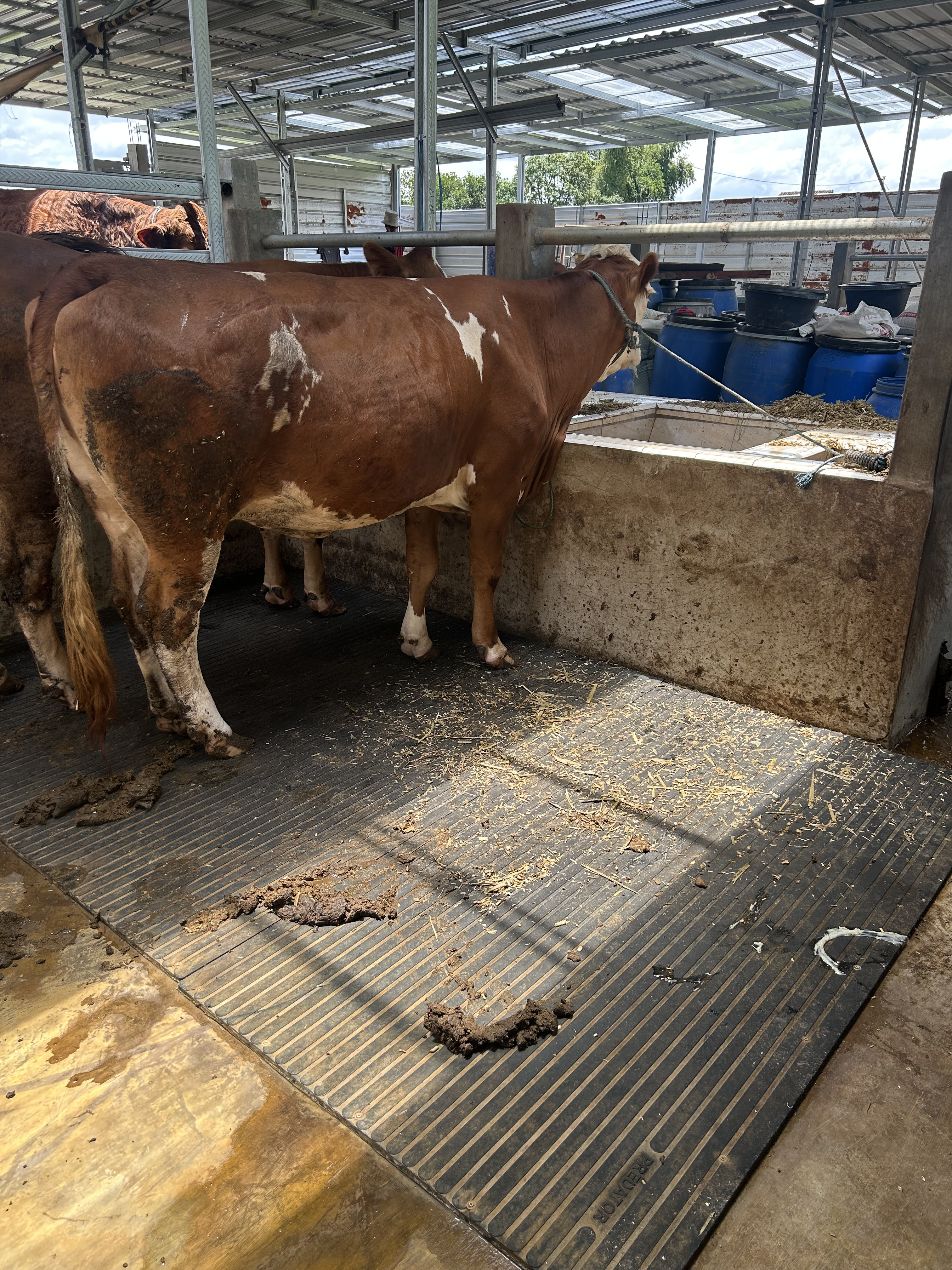
Investment in the systemanti-slip and elastic cow shed floormuch cheaper than bearing the loss due to lame cows. An ideal floor should have strong grip, be water-resistant, and be able to absorb the pressure of the cows' weight. A safe housing system is the foundation of sustainable livestock farming.
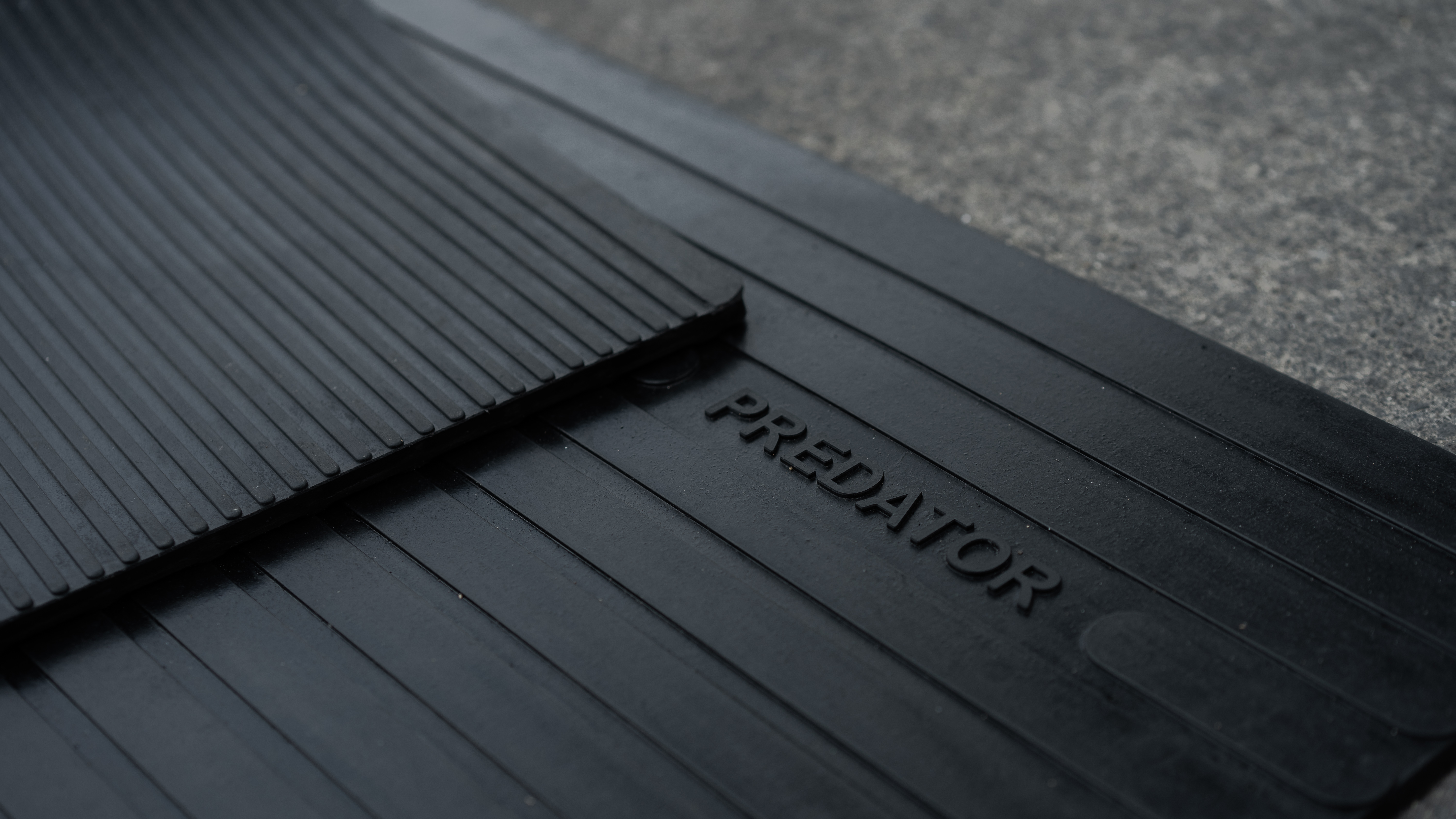
Livestock safety starts with stable footing.Predator Cow CarpetIt has a non-slip surface and elastic structure that helps reduce the risk of slipping in heavy cattle. This solution not only maintains the health of cattle's feet but also protects your livestock investment in the long term.
Our expert team is dedicated to providing quality information about livestock farming and animal welfare.
Expert in Animal Welfare & Quality Products
Related Articles
Modern Livestock Management That Can Be Applied by Smallholder Farmers
Modern livestock management is key to increasing the productivity and sustainability of livestock businesses in Indonesia. Amidst the challenges of rising feed costs, disease risks, and demands for quality livestock products,smallholder farmers are required to start implementing a more organized and planned management system. The good news is, modern management doesn't always require expensive technology or large-scale operations.The Importance of Good Farm ManagementModern farm management is a way to manage a livestock business efficiently, measurably, and with a long-term focus. With good management, farmers can control costs, maintain livestock health, and increase meat and milk production.For smallholder farmers, proper management can have a significant impact due to the limited scale of their operations. Small mistakes, such as slippery pens or poor hygiene, can lead to significant losses due to livestock injuries or illnesses.Cage Management as the Main FoundationOne of the main pillars in livestock management is management.cowshedUncomfortable pens can cause stress, reduce appetite, and even lead to injury in livestock. Therefore, pens must be designed to be safe, clean, and easy to maintain.Some principles of a good cage include:- The cage floor is not slippery and easy to clean.- Smooth drainage so that the cage does not get muddy- Sufficient air circulation- The layout of the cage facilitates daily activities.Using proper bedding helps reduce the risk of cows slipping and maintains their comfort. A safe barn environment will directly impact productivity.Focus on Animal Welfare and HealthModern farm management places livestock welfare as a priority. Healthy and comfortable livestock have better production performance and a longer productive lifespan. Disease prevention through clean pens and routine maintenance is far more cost-effective than medical treatment.Smallholder farmers can start with simple steps such as keeping the floor of the pen clean, monitoring the condition of the livestock's feet, and ensuring that the livestock can stand and lie down comfortably.Simple Record Keeping for Decision MakingRecord-keeping is a key feature of modern management. Farmers don't need a complicated system; simply record livestock numbers, health conditions, and production results. Consistent record-keeping allows farmers to evaluate livestock performance and plan business development more effectively.Towards Sustainable LivestockThe implementation of good management will lead farmers towards sustainable farming. Livestock farming focuses not only on short-term results but also on maintaining production stability, cost efficiency, and long-term business continuity.As a partner to livestock farmers, Predator supports the implementation of modern livestock management through safe, comfortable, and durable housing solutions. Predator believes that a strong livestock farm always starts with a well-organized housing system.Modern livestock management can be implemented by smallholder farmers in a gradual and realistic manner. From pen management and attention to livestock welfare to simple record-keeping, all these steps help farmers increase productivity and maintain business sustainability.
Cow sheds quickly smell, not because they are rarely cleaned, but because of this
Many farmers complain about the same problem: cow sheds smell quickly, despite routine cleaning and spraying every day. The ammonia odor persists, the cows appear uncomfortable, and the surrounding environment is disturbed. If you experience this, the problem is likely not with the frequency of cleaning the pen, but with the pen system itself.This article discusses the main causes of smelly coops that are often overlooked by farmers, as well as realistic solutions that can be implemented without major renovations.Too Much Water Just Makes the Odor WorseSpraying the cage with water is intended to clean up waste. However, if done without a supportive flooring system, the water will stagnate and increase humidity. This dampness accelerates the development of ammonia odors.A stall floor that takes longer to dry allows urine and manure to mix. As a result, even if the stall appears clean, the odor persists within hours.The Cage Floor is a Determining FactorOne of the main causes of cow sheds smelling quickly is cage floor which are unable to manage fluids properly. Plain cement or dirt floors absorb water and urine, then release it back as odor.Besides the smell, constantly wet floors also increase the risk of slipping and hoof problems in cattle. This combination of problems is often taken for granted, yet it has significant impacts on livestock health.Barn Odor Has a Direct Impact on ProductivityPungent odors not only bother humans but also affect the well-being of cows. An uncomfortable barn environment can easily cause cows to become stressed, lose their appetite, and reduce their rest time.If left untreated, this condition can lead to suboptimal growth and increased maintenance costs. In other words, cage odor is an early sign that the housing system needs improvement.Cow Carpet as an Odor Control SolutionOne solution that is starting to be implemented by many breeders is the use of Predator cow rugs. This carpet helps reduce standing water, keeps the floor surface dry, and minimizes direct contact between cows and urine.With a drier floor, the barn cleaning process is more effective and odors are less likely to develop. Furthermore, the cows feel more comfortable standing and lying down.A Healthy Coop Starts with the Right SystemAddressing barn odor isn't about adding perfume or spraying more frequently, but rather improving the basic barn system. Focusing on the barn floor and cow comfort is the most sensible first step.Predator is here to help Indonesian cattle farmers create healthier, odor-free cattle pens that support livestock productivity. Because good pens not only look clean but also feel comfortable for the cows.
After Realizing the Mistake, Here Are Real Steps to Improve Your Cow Shed to Make It More Efficient
In the previous article, we discussed minor errors in the cow shed what seems trivial can actually slowly drain a farmer's finances. From damp, slippery floors to pens that look clean but aren't truly comfortable for the cows. The question now is,What concrete steps can farmers take after realizing these mistakes?This article is a continuation and practical guide so that farmers do not stop at the "problem awareness" stage, but actually move on to solutions.Evaluation of the Pen from the Cow's PerspectiveThe first step that farmers often overlook is viewing the pen from the cow's perspective. Take a look at:- Do cows often stand and rarely lie down?- Does the floor feel cold, hard, or slippery when you walk on it?- Does the smell appear quickly even though the cage is cleaned regularly?If the answer is yes, it means the barn isn't fully supporting the cows' comfort. However, comfortable cows are calmer, healthier, and grow more efficiently.Focus on Repairs on the Cage FloorOf the various cage factors,cow shed flooris the most crucial point. The floor, which comes into direct contact with the cows' feet and bodies, has a significant impact on the health of their hooves, joints, and stress levels.Repairing the floor doesn't always mean completely dismantling the barn. Many farmers are turning to practical solutions that can be implemented immediately without disrupting daily activities, such as adding a special padding to the cows' footing area.Reducing Costs the Smarter WayA common mistake farmers make is to continually increase downstream costs, such as medication and vitamins, without addressing the root of the problem. However, by improving housing conditions, the need for additional care can be minimized from the outset.This is why a comfortable cage is not an expense, but rather along-term cost-saving toolThe lower the risk of injury and stress to cattle, the lower the unexpected costs.Cow Carpets as an Effective Transitional StepAs a continuation of the previous discussion, the use ofPredator cow rugis one of the most realistic transition steps for farmers. Without the need for major renovations, the barn floor can be softer, less slippery, and easier to keep clean.Cow mats help create a more stable barn environment. Cows are more comfortable standing and lying down, allowing their energy to be focused on growth and production, rather than adapting to the harsh floor.From a More Comfortable Cage to Maximum ResultsFarmers who implement simple improvements to their barns typically begin to see a gradual impact. Cows appear calmer, experience fewer leg problems, and perform more consistently.Here is the common thread from the previous article: “Small mistakes will continue to cost money if left unchecked, but simple solutions can make a big difference if implemented correctly..”Predator is committed to assisting Indonesian livestock farmers to upgrade their livestock, starting with more comfortable, safe, and efficient cages.If you haven't read the previous article about minor mistakes in cow barns, be sure to read it first to understand the root of the problem before implementing the solution.
The Role of Dairy Cooperatives in Maintaining Domestic Industry Stability
Dairy cooperatives have long been the backbone of Indonesia’s dairy sector. Through collective systems, cooperatives help small scale farmers gain access to quality feed, veterinary services, training, and milk marketing channels. This role is crucial, considering that more than 80% of national milk production comes from smallholder farmers, who then if without cooperative support, would struggle to meet stable production standards. Studies from the Ministry of Agriculture show that farmers who join cooperatives tend to achieve higher efficiency and more stable production compared to those operating independently.At the same time, cooperatives also act as economic stabilizers. When milk prices drop or supply disruptions occur, cooperatives help safeguard farmers income through purchase agreements and more predictable pricing structures. Strengthening cooperatives benefits not only farmers but also serves as a national strategy to secure the sustainability of the domestic dairy industry, when especially as Indonesia still depends on imports for more than 70% of its milk needs. With modern management, transparency, and strong industry collaboration, cooperatives can continue to be the driving force behind the advancement of Indonesia’s dairy farming sector.
Premium Cow Shed Carpet: A Comfortable Solution for Healthier and More Productive Cows
What is a Cow Shed Carpet?Cow stall mats are special mats made from high-quality rubber used to improve comfort and hygiene inside the stall. These products are designed to reduce the risk of injury, maintain hygiene, and improve overall livestock performance.Benefits of Cow Shed Carpets for Farmers1. Improve Cow HealthThe soft carpet surface helps reduce pressure on the cow's feet, thereby minimizing the risk of injuries and foot diseases such as lameness.2. Cleaner and More Hygienic CagesRubber carpets do not absorb dirt, so they are easier to clean than regular cement floors.3. Reducing Stress in LivestockComfortable cows will be calmer, less stressed, and have a direct impact on increasing the weight and quality of production.4. More Durable and Long LastingPremium carpets have high resistance to heavy pressure and humid cage conditions.Why Should You Use Cow Shed Carpets Directly from Manufacturers?Buying directly from the manufacturer offers many advantages:- More affordable prices without intermediaries- Quality assured with strict QC process- Can customize the size according to cage needs- Direct consultation support from expertsCharacteristics of Quality Cow Shed CarpetsBefore purchasing, make sure the carpet has the following specifications:- Ideal thickness (12mm, 14mm, up to 16mm)- Anti-slip surface (not slippery)- Not easy to crack or break- Elastic yet strong- Resistant to water and cage wasteComparison of Cow Carpet ThicknessChoosing the thickness of the cow shed carpet is very important because it directly affects the comfort and durability of use.Carpet with thickness 12mm It's usually the most economical option. It's suitable for small-scale farms or for farmers just starting to invest in comfortable housing.Meanwhile, the thickness 14mm It offers a balance between price and quality. This type is widely used by medium-scale livestock farmers because it is soft, strong, and durable enough for daily use.For maximum needs, carpet with thickness 16mm is the best choice. This carpet is softer, more resistant to heavy pressure, and is ideal for intensive farming where cow comfort and long-term durability are paramount.The Impact of Carpet Use on Cattle ProductivityMany farmers are beginning to realize that the comfort of their pens significantly impacts livestock production. By using carpets:- Cows rest more often- Increased appetite- More optimal growth- The risk of loss due to injury is reducedConclusionCow barn carpeting is not just an accessory, but a crucial investment in improving the quality of livestock farming. By choosing the right product, farmers can improve efficiency, livestock health, and long-term profitability.