Farmer Regeneration: Why Are Young People Reluctant to Enter the Dairy Farm World?
11 December 2025
5 months ago
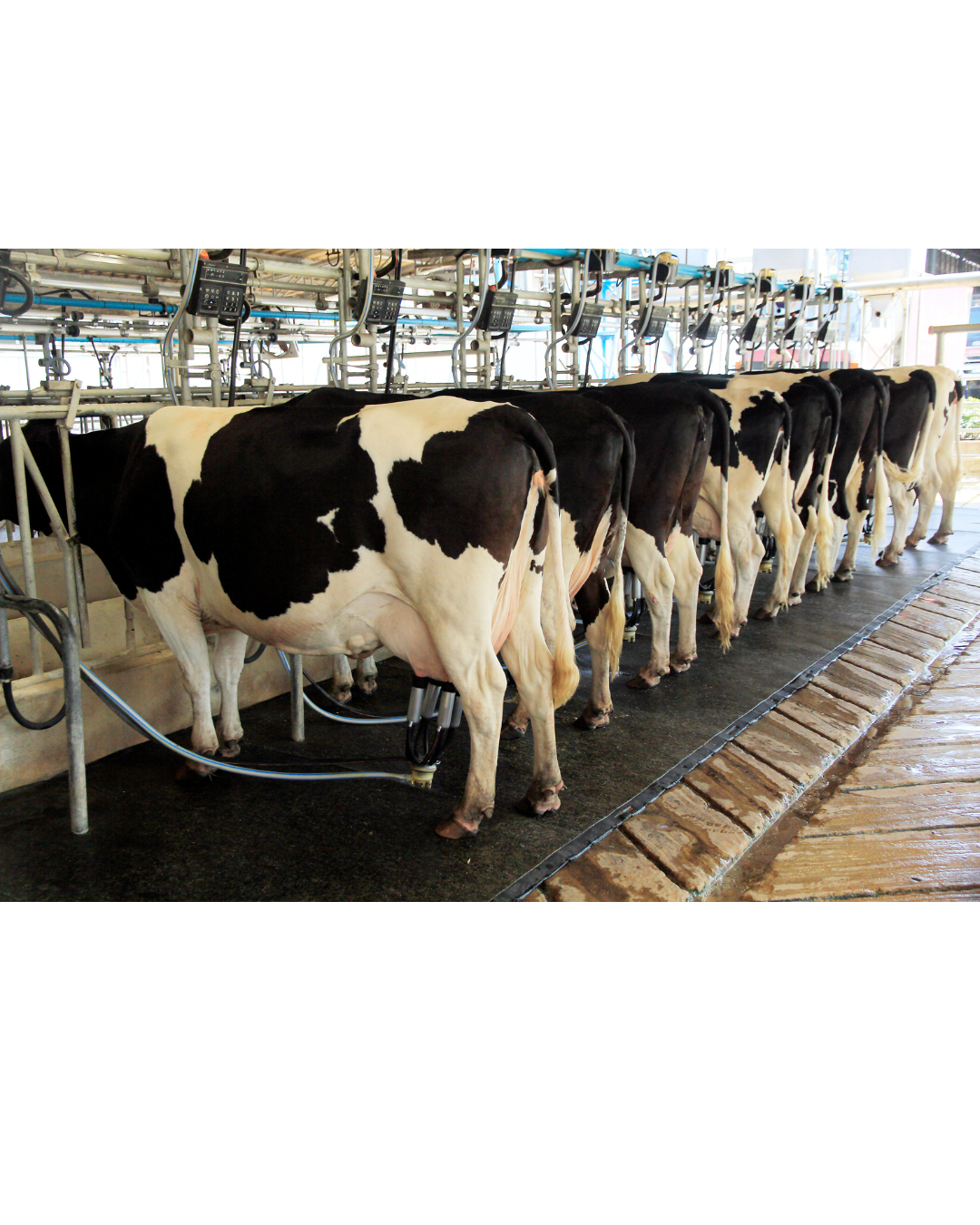
Farmer regeneration has become one of the biggest challenges in Indonesia’s dairy sector. Most dairy farmers today are over 45 years old, and interest from younger generations to continue the family business is steadily declining. Despite strong market demand for milk, dairy farming is still seen as hard, dirty work and less prestigious compared to modern jobs that offer flexibility. Limited access to capital, unstable milk prices, and high feed costs also make dairy farming seem financially unattractive to young people.
On the other hand, younger generations tend to seek jobs with stable income, clear career growth, and a more modern work environment. Yet FAO reports show that modernizing dairy farms such using sensors, monitoring apps, and improved feed management systems can significantly boost efficiency and make daily work much easier for new farmers. Still, without education, training, and affordable access to technology, this transformation remains difficult to achieve.
Farmer regeneration is not simply about replacing an aging workforce, it’s more about securing the future of the national dairy industry. Government, cooperatives, and industry stakeholders must work together to build an ecosystem that appeals to young people leading to a more modern, more profitable, and more sustainable.
Our expert team is dedicated to providing quality information about livestock farming and animal welfare.
Expert in Animal Welfare & Quality Products
Related Articles
Modern Livestock Management That Can Be Applied by Smallholder Farmers
Modern livestock management is key to increasing the productivity and sustainability of livestock businesses in Indonesia. Amidst the challenges of rising feed costs, disease risks, and demands for quality livestock products,smallholder farmers are required to start implementing a more organized and planned management system. The good news is, modern management doesn't always require expensive technology or large-scale operations.The Importance of Good Farm ManagementModern farm management is a way to manage a livestock business efficiently, measurably, and with a long-term focus. With good management, farmers can control costs, maintain livestock health, and increase meat and milk production.For smallholder farmers, proper management can have a significant impact due to the limited scale of their operations. Small mistakes, such as slippery pens or poor hygiene, can lead to significant losses due to livestock injuries or illnesses.Cage Management as the Main FoundationOne of the main pillars in livestock management is management.cowshedUncomfortable pens can cause stress, reduce appetite, and even lead to injury in livestock. Therefore, pens must be designed to be safe, clean, and easy to maintain.Some principles of a good cage include:- The cage floor is not slippery and easy to clean.- Smooth drainage so that the cage does not get muddy- Sufficient air circulation- The layout of the cage facilitates daily activities.Using proper bedding helps reduce the risk of cows slipping and maintains their comfort. A safe barn environment will directly impact productivity.Focus on Animal Welfare and HealthModern farm management places livestock welfare as a priority. Healthy and comfortable livestock have better production performance and a longer productive lifespan. Disease prevention through clean pens and routine maintenance is far more cost-effective than medical treatment.Smallholder farmers can start with simple steps such as keeping the floor of the pen clean, monitoring the condition of the livestock's feet, and ensuring that the livestock can stand and lie down comfortably.Simple Record Keeping for Decision MakingRecord-keeping is a key feature of modern management. Farmers don't need a complicated system; simply record livestock numbers, health conditions, and production results. Consistent record-keeping allows farmers to evaluate livestock performance and plan business development more effectively.Towards Sustainable LivestockThe implementation of good management will lead farmers towards sustainable farming. Livestock farming focuses not only on short-term results but also on maintaining production stability, cost efficiency, and long-term business continuity.As a partner to livestock farmers, Predator supports the implementation of modern livestock management through safe, comfortable, and durable housing solutions. Predator believes that a strong livestock farm always starts with a well-organized housing system.Modern livestock management can be implemented by smallholder farmers in a gradual and realistic manner. From pen management and attention to livestock welfare to simple record-keeping, all these steps help farmers increase productivity and maintain business sustainability.
Modern Strategic Increase in National Milk Production
Domestic milk demand continues to increase each year, yet national production has not been able to keep pace. Indonesia still imports the majority of its processed milk requirements, indicating that improving the productivity of local dairy cows has become an urgent necessity. Several modern strategies have begun to be implemented, including better barn management, improved nutrition, and the use of data-driven technologies. The International Dairy Federation (IDF) has noted that the adoption of precision dairy farming, ranging from health sensors and heat detection tools to automated feed management systems can improve production efficiency by 15–20% across various developing countries.In Indonesia, efforts such as strengthening dairy cooperatives, improving supply chain structures, and stabilizing milk purchase prices also play a crucial role in production success. When farmers gain price certainty and access to quality feed, cow performance becomes more consistent. This highlights that increasing dairy production is not only about the cows themselves, but about strengthening the entire farming ecosystem.
Lameness in Cows Is Not a Trivial Problem: Here's How It Impacts Farmers' Profits
Many farmers consider lameness in cattle to be a minor problem that will resolve itself. However, a single cow with leg problems can cause significant losses, both directly and indirectly.The problem is, limping cows often appear due to less than ideal conditions in the pen, especially the floor.Decreased Appetite and Body WeightLame cows tend to be more sedentary and move less. Eating activity can also be disrupted due to discomfort from prolonged standing.As a result, growth slows and target body weights are not achieved as planned. In a fattening system, delayed harvesting means additional feed and operational costs.Risk of Infection and Treatment CostsLeg wounds can develop into infections if the barn environment is damp and unhygienic. Treatment requires additional costs, not to mention the risk of the cow not being able to be sold at an optimal price.It all starts with unstable footing, slippery floors, or surfaces that are too hard.Prevention is Cheaper than CureEnsuring the cow barn floor is safe and comfortable is the most logical preventative measure. A non-slip and softer flooring system can reduce pressure on the feet.Predator cow mats help create more stable footing so the risk of limping cows can be reduced from the start.ConclusionLameness in cattle is not just a health issue, but also a threat to business profits. Improving housing systems is a strategic step to maintain stable productivity.
A COMPLETE GUIDE TO INCREASING CATTLE PRODUCTIVITY THROUGH A COMFORTABLE AND EFFICIENT CAGE SYSTEM
The modern livestock industry is no longer just about feed and weight. Housing factors are now a major determinant of cattle productivity, health, and market value. Many farmers don't realize that hard, slippery, damp, and unstable barn floors can be a source of long-term losses.Cattle are large animals that spend most of their time standing and lying down. In beef cattle and feedlots weighing 700 kg to over 1 ton, the pressure on their legs and joints is enormous. If the barn floor is unsupportive, the effects can include stress, lameness, injuries, and even decreased appetite.Why is Cage Comfort So Important?The comfort of the cage has a direct impact on:- Duration of cow lying down- Quality of rest- Joint and nail stability- Appetite- Daily weight gain- Risk of injuryComfortable cows will lie down more often. When cows get enough rest, their metabolic and growth systems function optimally. Conversely, cows that rarely lie down often experience leg pressure or feel insecure about the condition of the pen floor.If left untreated, this condition can cause:- Lame- Wound on the knee- Nail infection- Stress crown- Weight lossIt all comes down to one thing: loss.Common Problems with Traditional Cage FloorsMany cages still use rough cement or hard floors without additional flooring. Problems that often arise:1. Surface is too hardThe cow's heavy weight exerts direct pressure on the joints without any cushioning. Over time, this can lead to inflammation and injury.2. Slippery FloorCows are prone to slipping, especially when standing or sitting. Fall injuries can be fatal in large cattle.3. Poor DrainageUrine and remaining fluids do not drain quickly, making the cage damp and smelly.4. Pungent SmellExcess moisture accelerates the formation of ammonia which interferes with the cow's breathing.5. High Maintenance CostsCracked floors, worn cement, periodic repairs, and even the cost of treating sick cows.This problem is often considered “normal”, even though it can actually be prevented.Financial Impacts That Are Often UnrecognizedThe losses resulting from suboptimal housing aren't always immediately apparent. However, if calculated:- Lame cow → slow growth- Decreased appetite → FCR worsens- Wounds & infections → drug costs- Heat stress → decreased feed consumption- Smell of the barn → unhealthy work environmentIn the long run, these hidden costs far outweigh the investment in a better housing system.Modern Cage Systems: Based on Comfort and EfficiencyModern farming is shifting to a convenience and efficiency-based approach.The goal:- Reduce the risk of injury- Increase the duration of lying down- Maintaining foot stability- Optimizing weight gain- Reducing environmental stressOne important component in this system is the use of an elastic floor layer that is able to absorb the pressure of the cow's weight.The Role of Elastic Flooring in ProductivityElastic floor covering helps:- Absorbs pressure when the cow stands- Reduces impact when lying down- Prevent slippage- Keeping the floor temperature stable- Improve overall comfortCows that feel safe when getting up and sitting will be more relaxed. A stable psychological state significantly impacts growth performance.Impact on Weight GainComfortable cows tend to:- Eat more often- Longer break- Not easily stressed- Minimal injuryAll of these factors directly correlate with Average Daily Gain (ADG). In a fattening business, small daily differences can make a big difference over several months.Impact on Sales ValueApproaching the high demand season such as Eid al-Adha, the physical condition of the cow greatly determines the selling price.Cows with:- Strong legs- Not lame- Well developed muscles- Clean body without woundsIt will be easier to sell and more highly valued.A good cage helps maintain peak physical condition until the day of sale.Long-Term Investment, Not ExpenseMany farmers view upgrading their housing system as an additional expense. In fact, it's a long-term investment that:- Reduce the risk of loss- Increase feed efficiency- Minimize medical costs- Increase selling value- Strengthening the farm's reputationThe modern approach to animal husbandry is not just about increasing the number of cattle, but optimizing quality and systems.ConclusionCattle productivity isn't solely determined by feed and genetics. A comfortable, safe, and efficient housing system plays a significant role in maintaining cattle performance.Farms that want to thrive must start paying attention to a detail that is often taken for granted: the floor of the barn.Because that's where health, comfort, and profit begin.
The Role of Dairy Cooperatives in Maintaining Domestic Industry Stability
Dairy cooperatives have long been the backbone of Indonesia’s dairy sector. Through collective systems, cooperatives help small scale farmers gain access to quality feed, veterinary services, training, and milk marketing channels. This role is crucial, considering that more than 80% of national milk production comes from smallholder farmers, who then if without cooperative support, would struggle to meet stable production standards. Studies from the Ministry of Agriculture show that farmers who join cooperatives tend to achieve higher efficiency and more stable production compared to those operating independently.At the same time, cooperatives also act as economic stabilizers. When milk prices drop or supply disruptions occur, cooperatives help safeguard farmers income through purchase agreements and more predictable pricing structures. Strengthening cooperatives benefits not only farmers but also serves as a national strategy to secure the sustainability of the domestic dairy industry, when especially as Indonesia still depends on imports for more than 70% of its milk needs. With modern management, transparency, and strong industry collaboration, cooperatives can continue to be the driving force behind the advancement of Indonesia’s dairy farming sector.