Our expert team is dedicated to providing quality information about livestock farming and animal welfare.
Expert in Animal Welfare & Quality Products
Related Articles
Rainy Season and the Challenges of Modern Cow Sheds
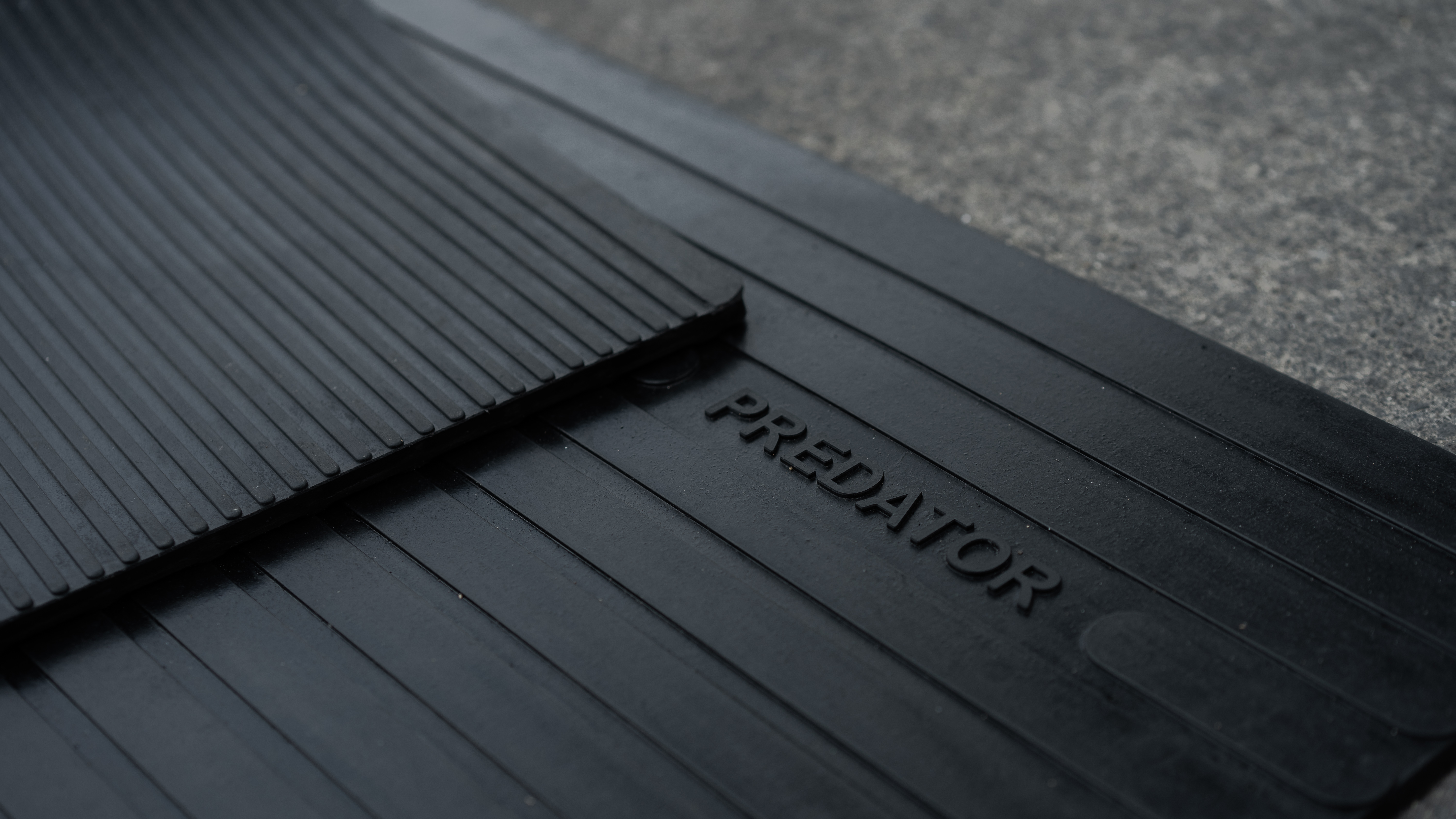
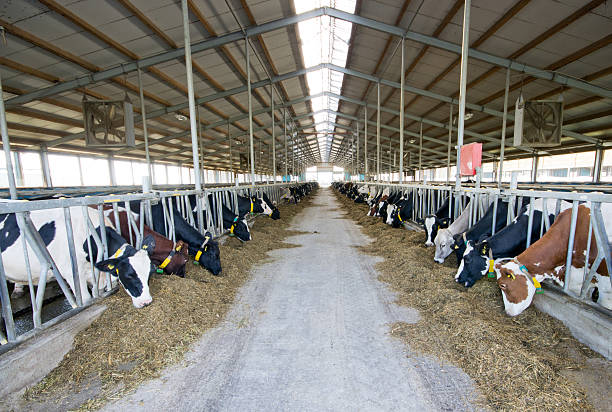
The rainy season brings great risks for beef cattle. High humidity can worsen floor conditions and increase the risk of nail disease.Common Problems During the Rainy Season- Wet floor- Puddle- The smell increases- The cow is reluctant to lie down- Risk of nail infectionFloors that are too cold and wet make cows uncomfortable. As a result, they rest less and stress increases.How to Anticipate- Make sure the floor slope is sufficient- Use a flooring system that does not absorb water- Repair the drainage channels- Increase the frequency of cleaningModern cattle housing systems must be able to adapt to seasonal changes. Investing in the right flooring structure helps maintain stable productivity throughout the year.When the rainy season arrives, humidity and the risk of muddy floors increase.Predator Cow CarpetIt's designed to resist water absorption, remain stable in wet conditions, and help keep cattle secure. Ensure your barn is ready for the rainy season without compromising livestock comfort and productivity.
Premium Cow Shed Carpet: A Comfortable Solution for Healthier and More Productive Cows
What is a Cow Shed Carpet?Cow stall mats are special mats made from high-quality rubber used to improve comfort and hygiene inside the stall. These products are designed to reduce the risk of injury, maintain hygiene, and improve overall livestock performance.Benefits of Cow Shed Carpets for Farmers1. Improve Cow HealthThe soft carpet surface helps reduce pressure on the cow's feet, thereby minimizing the risk of injuries and foot diseases such as lameness.2. Cleaner and More Hygienic CagesRubber carpets do not absorb dirt, so they are easier to clean than regular cement floors.3. Reducing Stress in LivestockComfortable cows will be calmer, less stressed, and have a direct impact on increasing the weight and quality of production.4. More Durable and Long LastingPremium carpets have high resistance to heavy pressure and humid cage conditions.Why Should You Use Cow Shed Carpets Directly from Manufacturers?Buying directly from the manufacturer offers many advantages:- More affordable prices without intermediaries- Quality assured with strict QC process- Can customize the size according to cage needs- Direct consultation support from expertsCharacteristics of Quality Cow Shed CarpetsBefore purchasing, make sure the carpet has the following specifications:- Ideal thickness (12mm, 14mm, up to 16mm)- Anti-slip surface (not slippery)- Not easy to crack or break- Elastic yet strong- Resistant to water and cage wasteComparison of Cow Carpet ThicknessChoosing the thickness of the cow shed carpet is very important because it directly affects the comfort and durability of use.Carpet with thickness 12mm It's usually the most economical option. It's suitable for small-scale farms or for farmers just starting to invest in comfortable housing.Meanwhile, the thickness 14mm It offers a balance between price and quality. This type is widely used by medium-scale livestock farmers because it is soft, strong, and durable enough for daily use.For maximum needs, carpet with thickness 16mm is the best choice. This carpet is softer, more resistant to heavy pressure, and is ideal for intensive farming where cow comfort and long-term durability are paramount.The Impact of Carpet Use on Cattle ProductivityMany farmers are beginning to realize that the comfort of their pens significantly impacts livestock production. By using carpets:- Cows rest more often- Increased appetite- More optimal growth- The risk of loss due to injury is reducedConclusionCow barn carpeting is not just an accessory, but a crucial investment in improving the quality of livestock farming. By choosing the right product, farmers can improve efficiency, livestock health, and long-term profitability.
Strengthening the Capacity of Local Farmers: The Key to Sustainable Meat and Milk Self-Sufficiency in Indonesia
Strengthening the capacity of local livestock farmers is the main foundation for achieving sustainable meat and milk self-sufficiency through comfortable housing, modern management, and appropriate technology. Self-sufficiency in meat and milk is a major goal of the Indonesian people in building national food security. However, achieving this target cannot rely solely on import policies or increasing livestock populations. A crucial factor that is often overlooked is strengthening the capacity of local farmers as the main actor in the field.Local farmers play a strategic role in the national meat and dairy production chain. Unfortunately, many farmers still face limitations in knowledge, production facilities, and access to technology. Without continuous capacity building, consistent meat and dairy self-sufficiency will be difficult to achieve.Local Farmers as the Foundation of Self-SufficiencyThe majority of livestock production in Indonesia comes from smallholder farms. This means that the success of the program meat self-sufficiency and milk self-sufficiency. It depends heavily on the readiness and capabilities of local farmers. Strengthening the capacity of farmers isn't just about increasing livestock numbers, but also includes:- Understanding farm management efficient- Safe and comfortable cage management- Prevention of livestock injuries and diseases- Optimizing productivity without sacrificing livestock welfareFarmers who have adequate capacity will be more adaptive to change, more efficient in operations, and more sustainable in the long term.Comfortable Housing: A Critical Factor in Livestock ProductivityOne crucial aspect of improving livestock capacity is the quality of the pens. Slippery, muddy, or unhygienic pens can cause stress, injury, and even death. These conditions directly reduce meat and milk productivity.Education about comfortable and safe housing is the first step towards modern livestock farming. Using proper bedding, a good drainage system, and livestock-friendly housing materials has been proven to:- Reducing the risk of cows slipping- Reducing the number of injuries and illnesses- Improve livestock comfort and performanceThis is where the role of simple yet effective technology-based solutions becomes crucial.Predators and the Commitment to Building Sustainable LivestockAs a brand born from the needs of livestock breeders, Predator is present not only as a product provider, but also as an educational partner for local farmers. Predator believes that sustainable farming starting from a comfortable pen and prosperous livestock.Through innovative, high-quality rubber cage bedding, Predator helps farmers create safer, more hygienic, and more durable cage environments. This solution helps farmers increase productivity while reducing the risk of losses due to livestock injuries.Moreover, Predator consistently promotes farmer education through practical content and information so that Indonesian farmers can move up a class and compete sustainably.Towards an Independent and Competitive Livestock FarmStrengthening the capacity of local livestock farmers is a long-term investment for the nation. When farmers are equipped with the right knowledge, technology, and support, they can not only increase production but also maintain environmental and economic sustainability.Collaboration between farmers, industry, and other stakeholders is key to building a strong national livestock ecosystem. With empowered farmers, Indonesia has a significant opportunity to achieve self-sufficiency in meat and milk independently and sustainably.Self-sufficiency in meat and milk will not be achieved without strong local livestock farmers. Through capacity building, improved livestock management, and the implementation of appropriate housing technology, Indonesian livestock farmers can become a key driver of national food security. Predator is committed to continuing to be part of this journey, assisting farmers towards more advanced, safe, and sustainable livestock farming.
Cage Costs Seem Expensive? There Could Be Leaks the Breeder Has Never Noticed
Many farmers complain that livestock costs continue to rise, even though their cattle numbers haven't increased and yields aren't optimal. Feed is regulated, medication is purchased as needed, but expenses remain high. This situation is often referred to as "over-run."leaking cage costs, coming out little by little, but steadily.The problem is, these cost leaks are rarely directly visible.A Small Fee That Seems ReasonableAdditional medication, extra vitamins, extra manpower for cage cleaning, and delayed harvest times are often considered trivial. However, when added together, these small costs can add up to a significant burden over a single period of care.The root of the problem is often not in feed management, but in barn conditions that do not support the health of the cows.Uncomfortable Cage = Ongoing CostsUncomfortable cows are more susceptible to illness, stress, and foot problems. Every small issue adds to the cost, making expenses seem endless.The previous article discussed signs of problematic barns, from rapidly developing odors to cows rarely lying down. All of these indicators are directly related to cost leakage.Stopping Leaks at the SourceRather than continuing to cover costs downstream, farmers need to stop leakage at the source. The primary focus is on housing systems, especially the cow shed floor which is the main point of contact for livestock every day.Small but targeted improvements can reduce the need for medication, reduce the risk of injury, and speed up harvest time.Cow Carpets as an Efficiency ToolUsage Predator cow rug not only does it increase comfort, but it's also a cost-effective tool. With safer and more comfortable floors, the risk of health problems is reduced and unexpected expenses are reduced.Long-term thinking ranchers are starting to see cow rugs as an investment, not an additional expense.Healthier Farms, More Controlled CostsWhen barns are improved from the ground up, the effects are felt throughout the entire livestock system. Cows are healthier, care is easier, and costs are more manageable.Predator is committed to helping Indonesian farmers stop the leakage of cage costs with real solutions that can be implemented immediately.
Automated Cooling & Ventilation: Affordable Technology to Reduce Heat Stress
Heat stress is one of the main factors reducing dairy cow productivity in tropical climates such as Indonesia. High temperatures and humidity make it difficult for cows to dissipate body heat, leading to reduced feed intake, lower activity levels, and declining milk production. These conditions often go unnoticed, yet their impact on daily cow performance can be significant.The implementation of automated cooling and ventilation systems, such as barn fans, sprinklers, and cross ventilation, has proven effective in lowering the perceived temperature inside barns. These technologies are relatively simple and affordable, yet highly effective in reducing heat stress and maintaining cow comfort. FAO reports that proper cooling systems can increase feed intake and help stabilize milk production, particularly during hot and humid conditions.With relatively low investment, automated cooling and ventilation systems offer a practical solution for farmers to maintain animal health and production sustainability. A cooler barn environment and good air circulation not only improve animal welfare but also enhance overall farm efficiency.